
Last updated November 24, 2026
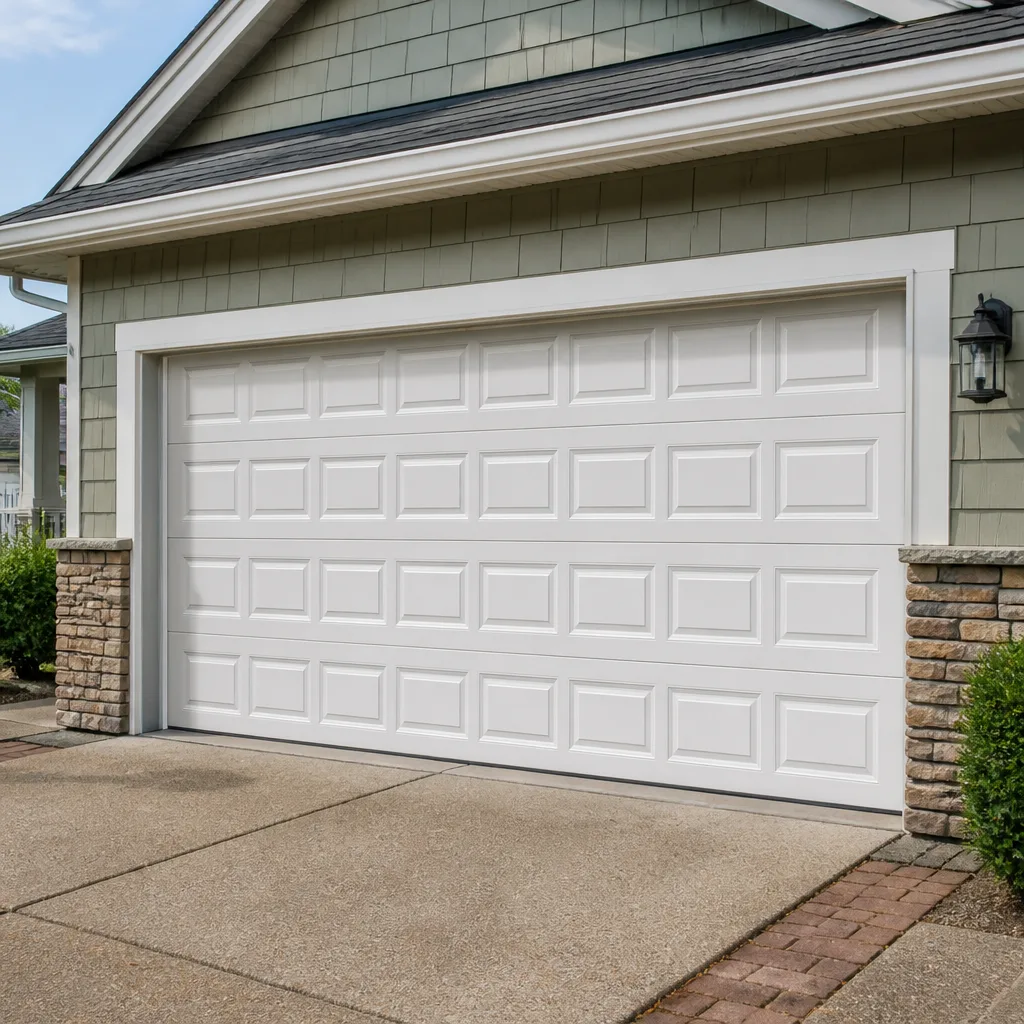 Raised-panel steel
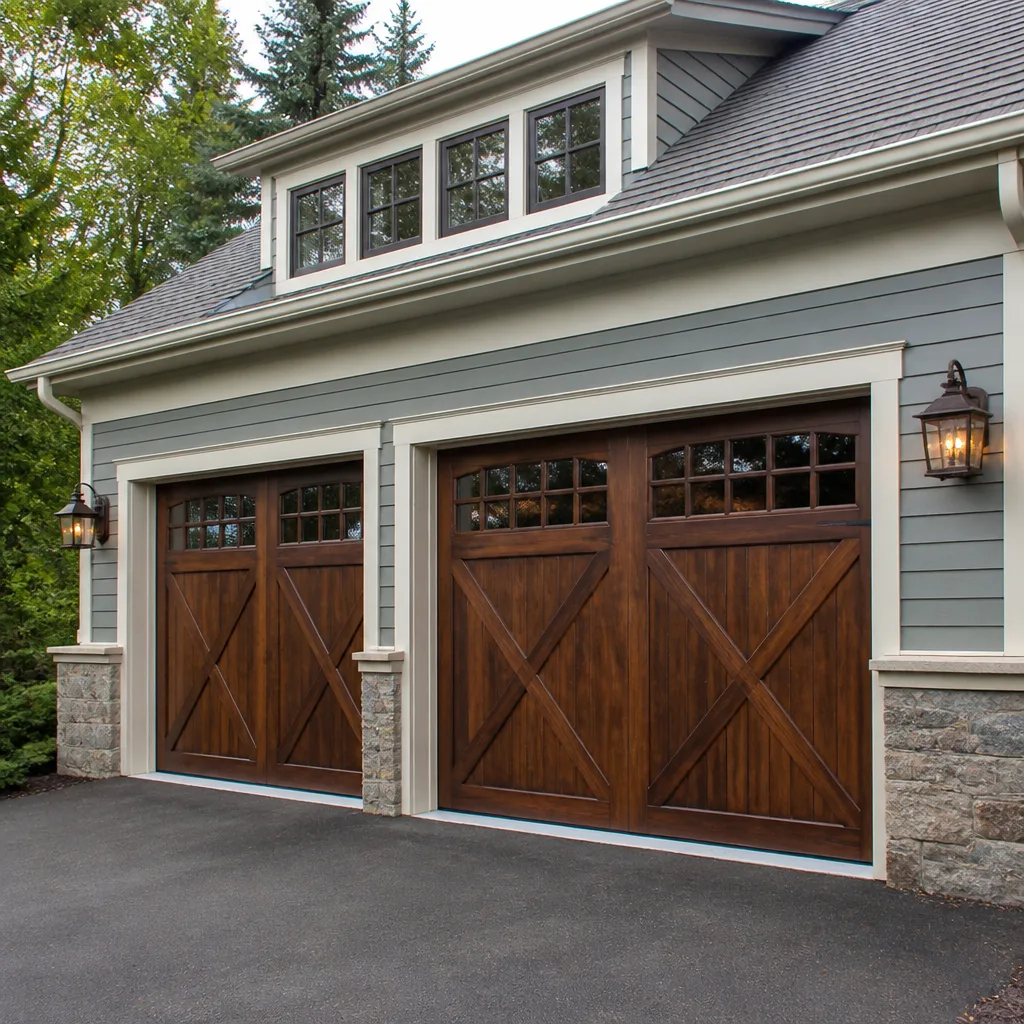 Carriage house
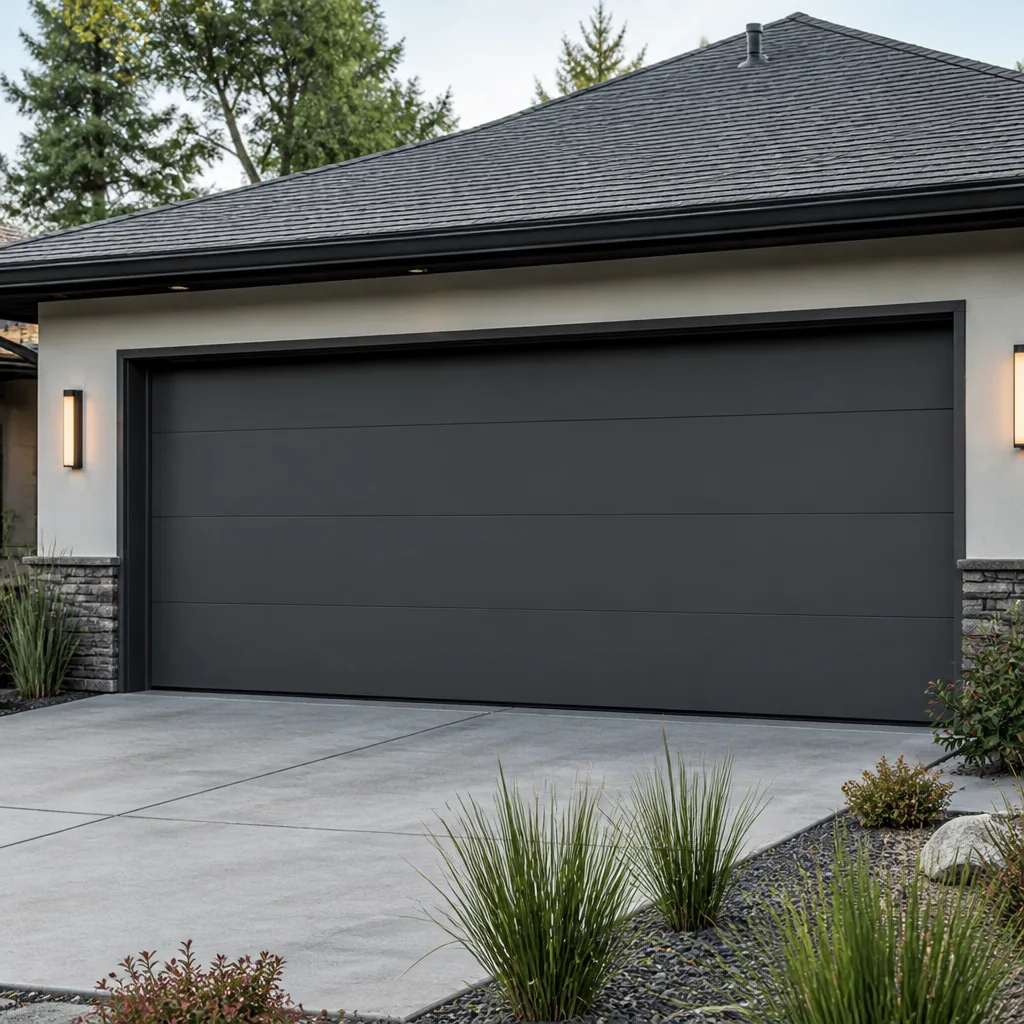 Modern flush
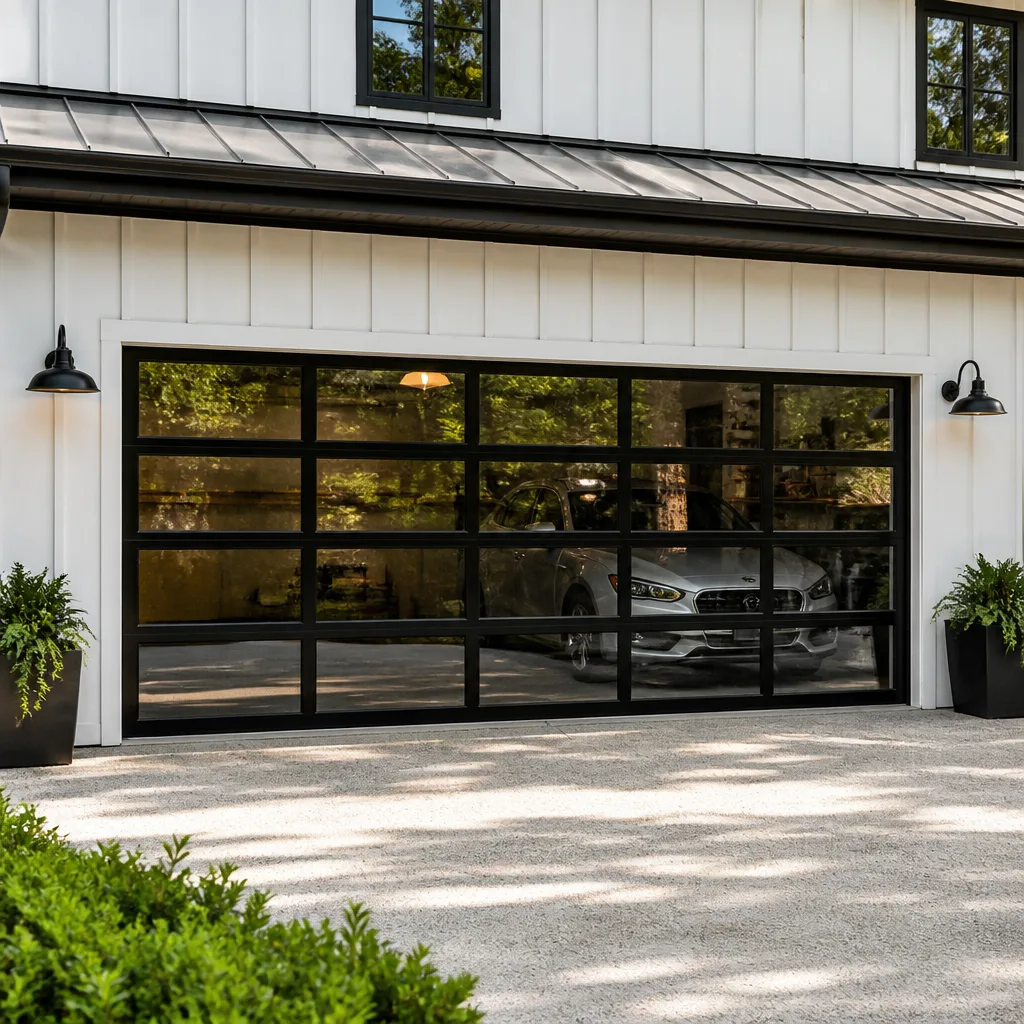 Full-view glass
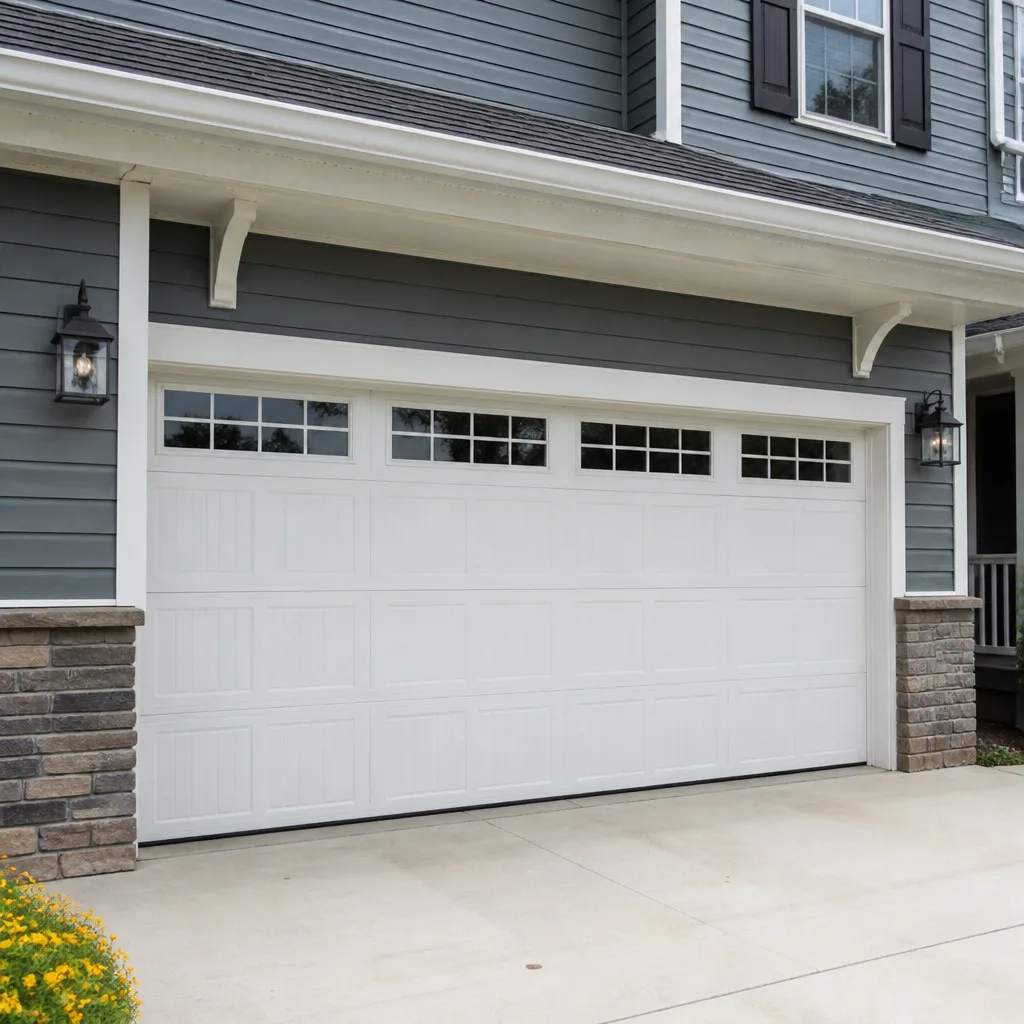 LiftMaster openers
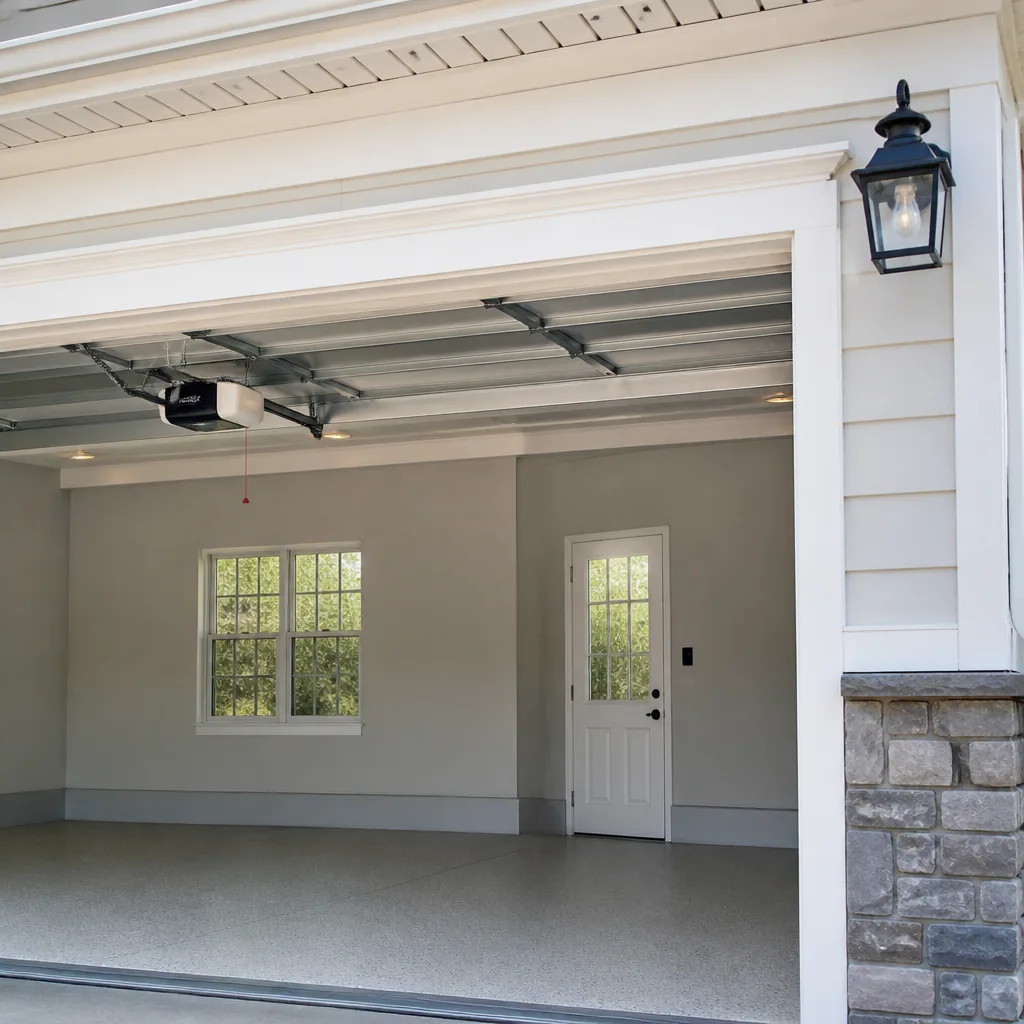 Chamberlain openers
Full 25-point door and opener safety check with every visit - springs, cables, rollers, tracks, and your LiftMaster or Chamberlain opener included
You get a price before we start. It does not change when the pro arrives.
Get your free estimateSeasonal Garage Door Care for Ridgewood: Year-Round Homeowner’s Guide
The spring that snaps in February usually didn’t fail because of one cold night. It failed because it wasn’t lubricated in October, when the film of lubricant that went on last spring had already dried out and left bare steel to grind against itself through every freeze. Garage doors don’t break on a schedule that matches a single annual checkup. In Ridgewood, they wear through four distinct seasons, each with its own failure pattern. This guide gives you a realistic 12-month calendar for Ridgewood homeowners, built season by season with time estimates so you can plan the work around your own schedule and know which tasks are safe to handle and which belong to a trained technician.
Quick Answer
Garage door care in Ridgewood works best as four short maintenance windows across the year rather than one long checkup: a fall prep before the first freeze, a winter watch on seals and grease, a spring inspection after freeze-thaw stress, and a summer pass on UV and humidity damage. Most tasks take 10 to 30 minutes, and the parts that involve springs, cables or opener wiring should go to a professional. Our technicians have up to 11 years of experience, and we work on what you already have, from Craftsman openers to Raynor doors.
Styles & brands we work with
- Raised-panel steel
- Carriage house
- Modern flush
- Full-view glass
- LiftMaster openers
- Chamberlain openers
Table of Contents
- Why Ridgewood Doors Age in Four Stages, Not One
- Fall Prep: What to Do Before the First Freeze
- Winter Failure Modes in the Queens Climate
- Spring Inspection After Freeze-Thaw Cycles
- Summer Focus: UV and Humidity on Older Ridgewood Doors
- Your 12-Month Ridgewood Garage Door Calendar
- What You Can Check Yourself and What You Can’t
- Common Mistakes to Avoid
- When to Call a Professional
- Frequently Asked Questions
Why Ridgewood Doors Age in Four Stages, Not One
A garage door is a stack of materials that respond to temperature and moisture at different rates. Steel panels expand in July and contract in January. Wood panels swell in humid air and shrink when the heat comes on. Rubber seals harden in the cold and soften in the heat. Lubricant thickens when the temperature drops and thins when it climbs. Because each of those materials peaks at a different point in the year, the damage doesn’t arrive all at once. It arrives in sequence.
That sequence matters here. Many Ridgewood homes have detached or semi-detached garages that open onto unheated alleys, which means the door and its hardware sit at whatever the outdoor temperature happens to be. There’s no warm interior wall on the other side to soften a January night. A door in that position sees the full swing of the year, from the coldest stretch of winter to the muggiest weeks of August, with nothing in between to buffer it.
One annual inspection in, say, May will catch whatever has already gone wrong. It won’t catch what’s about to. A door inspected in May looks fine right up until the first hard freeze tests a bottom seal that has been quietly hardening since September. The better approach is to spread the work across four short windows, so each season’s stress gets checked before the next one lands.
This guide is written for homeowners who’d rather understand the sequence than react to it. You’ll learn what fails first in each season, what a reasonable time budget looks like for each task, and where the line sits between routine care and work that needs a trained hand. If you’d rather have the whole thing handled in one visit, we offer garage door repair across Ridgewood and can look at the full door, hardware and opener together.
Fall Prep: What to Do Before the First Freeze
Fall is the most valuable window on the calendar, and it’s the one most homeowners skip. Everything you do in October is protection against a failure in January. The goal is simple: get lubricant onto every moving metal surface and get the seals softened and seated before the cold locks them in place.
The bottom seal is the first place to look. On doors that open to unheated alleys, the seal is exposed to the full outdoor temperature and never gets a break. When it hardens, it stops conforming to the floor, which lets cold air and water in and puts uneven pressure on the door as it closes. Run your hand along it and look for stiff sections, flat spots, cracks, or a seal that has pulled away from the bottom section. A seal that’s already cracked in October won’t survive to March.
Here’s a reasonable fall task list with time estimates:
- Lubricate hinges, rollers, and tracks (20-30 minutes). Use a garage door lubricant, not household oil or grease. Rollers with sealed bearings need a light coat on the stem, not a soaking.
- Check the bottom seal (10 minutes). Feel for hardening and look for separation. Note any section that no longer touches the floor evenly.
- Test the balance of the door (5 minutes). Disconnect the opener and lift the door halfway by hand. It should hold there without drifting. If it drops or rises on its own, the springs are out of balance and need a professional look.
- Clear the tracks (10 minutes). Wipe out grit and leaves. Don’t lubricate the track itself; it’s meant to stay dry so rollers can roll rather than slide.
- Check the weatherstripping around the frame (10 minutes). Look for gaps at the sides and top, especially on doors facing an exposed alley.
One more fall note: this is the time to book anything you’ve been putting off, because the work is measured and scheduled rather than rushed. If you’re considering a new door before winter, garage door installation involves a free measure and a written price, so start the conversation early rather than in a cold snap.
Winter Failure Modes in the Queens Climate
Winter failures in this part of Queens follow a predictable pattern, and almost every one of them traces back to something that was or wasn’t done in the fall. Cold doesn’t break a well-maintained door. It exposes the weak points in one that’s been left alone.
The first culprit is grease that’s wrong for the temperature. Standard lubricants thicken as the mercury drops, and a thickened lubricant stops doing its job. Rollers start sliding instead of rolling, hinges stiffen, and the opener has to work harder to move the same door. That extra strain shows up as a door that sounds labored, moves unevenly, or reverses partway down. If you lubricated in the fall with a product rated for cold weather, you’ve already handled most of this. If you used whatever was in the garage, the first hard freeze will tell you.
The second is the bottom seal. A seal that was merely stiff in October becomes brittle in January, and a brittle seal cracks rather than flexes. Once it cracks, it stops sealing, and you get drafts, water intrusion at the threshold, and a door that doesn’t close flush. Watch for a seal that’s cracking before March; if you see splits forming, that’s your signal to replace it before it fails completely.
Other winter issues we see around Ridgewood:
- Frozen tracks. Moisture in the track can freeze and bind a roller. Keep tracks clear of snow and ice buildup.
- Contracted metal. Steel panels shrink slightly in cold, which can loosen fasteners and change how sections align.
- Opener strain. A cold-stiffened door puts more load on the opener. If your LiftMaster or Chamberlain unit is straining, the door is telling you it needs attention, not the opener.
- Snow and ice at the threshold. Don’t force a door closed over ice. Clear the threshold first.
If a door fails in the cold, the fix is usually straightforward but shouldn’t wait. We answer 24/7, and with fast dispatch from 7am to 7pm, Sunday through Friday, a winter failure usually gets looked at quickly. A call outside dispatch hours is booked into the next opening.
Spring Inspection After Freeze-Thaw Cycles
Spring is when you find out what winter did. Freeze-thaw cycles are hard on hardware: metal expands and contracts, fasteners loosen, and seals that flexed all winter have taken a beating. A spring inspection is less about prevention and more about catching damage before it compounds into summer.
Start with the springs and cables, but don’t touch them. Look, don’t handle. Torsion springs above the door and extension springs along the sides are under extreme tension, and a spring that’s been stressed all winter is exactly the kind you don’t want to test by hand. Look for gaps in the coils, a stretched or sagging extension spring, or cables that look frayed or have come off a drum. Any of those means a call, not a repair attempt.
Then work through the rest of the hardware:
- Check the rollers (10 minutes). Worn rollers develop flat spots and get noisy. Look for cracks in nylon rollers or wobble in steel ones.
- Inspect hinges (10 minutes). Loose screws are common after a winter of expansion and contraction. Tighten what you can reach safely.
- Test the auto-reverse (5 minutes). Put a piece of wood flat on the floor in the door’s path and close the door. It should reverse on contact. This is the single most important safety check on any garage door.
- Check the photo-eye sensors (5 minutes). Make sure both sensors are aligned and the indicator lights are solid, not flickering.
- Look at the door’s balance again (5 minutes). Same test as fall. If it changed, the springs have weakened.
Spring is also a good time to look at the opener. If you have a Craftsman or Genie unit that’s been in place a while, or a LiftMaster or Chamberlain with smart features, the opener’s own diagnostics can tell you a lot. We handle garage door opener repair for all of these, so you’re not stuck diagnosing a system nobody recognizes.
Summer Focus: UV and Humidity on Older Ridgewood Doors
Summer is the season that gets ignored, and it’s the one that does the slowest, most permanent damage. Heat and sunlight don’t break a door the way a cold snap does. They age it.
UV degradation hits south-facing doors hardest. Paint fades and chalks, steel finishes dull, and the surface that protects the panel underneath starts to break down. On a door that faces the sun for most of the day, the finish takes years of UV that a shaded door never sees. If your door faces south, a summer rinse and a check of the finish is worth the 15 minutes. Touch up bare spots before they become rust.
Humidity is the bigger issue on the older homes around Ridgewood, many of which have wood or composite door panels. Wood swells in humid air and shrinks when the heat dries it out, and that cycle stresses joints, paint, and the panel edges. Composite panels handle moisture better than wood but still expand and contract. What to watch for:
- Swelling at panel edges. If panels are binding or rubbing, humidity may have swollen the wood.
- Peeling or blistering paint. Moisture trapped under paint is the usual cause.
- Warping. A panel that’s no longer flat will bind in the tracks and strain the opener.
- Rust at the bottom. The bottom section takes the most moisture, from rain splash and from the ground.
Summer is also the best time to plan a replacement, because you’re not fighting a failure. If panels are warping and paint won’t hold, a new door is often the more sensible spend than repeated patching. That’s a measured, scheduled job, and we’ll give you a free measure and a written price before anything is ordered.
Your 12-Month Ridgewood Garage Door Calendar
Here’s the whole year in one place. The time estimates are realistic for a homeowner doing the safe checks; if you’d rather not climb, handle, or test anything, a single professional visit can cover all of it.
- October – Fall prep (60-75 minutes total). Lubricate hinges, rollers, and stems. Check the bottom seal. Test balance. Clear tracks. Check frame weatherstripping. This is the most important window.
- November – Pre-freeze check (15 minutes). Confirm the door closes flush and the seal touches the floor evenly. Clear leaves and debris from the threshold and tracks.
- December through February – Winter watch (5 minutes weekly). Listen for a change in sound. Clear snow and ice from the threshold. Don’t force a stiff door.
- March – Post-winter look (15 minutes). Visual check of springs and cables without touching. Look for cracked seals and loose fasteners.
- April – Spring inspection (35-45 minutes). Rollers, hinges, auto-reverse test, photo-eye test, balance test.
- May – Opener check (10 minutes). Test the remote, the wall control, and the safety reverse. Note any hesitation or uneven travel.
- June through August – Summer care (15-20 minutes monthly). Check south-facing finish. Look for swelling, warping, or rust at the bottom section.
- September – Planning window (15 minutes). Review what you noted through the year and decide what needs a professional before fall.
Two of those entries are short and two are longer. The point isn’t to do everything perfectly. It’s to make sure the door gets looked at before each season changes, so a small issue gets caught while it’s still small.
What You Can Check Yourself and What You Can’t
Some garage door care is genuinely safe for a homeowner. Some of it isn’t, and the line between them is clearer than most people assume.
Safe to handle yourself: wiping down tracks, lubricating hinges and roller stems, checking the bottom seal by hand, testing the auto-reverse with a piece of wood, checking photo-eye alignment, and rinsing or touching up the finish on a south-facing door. These are low-risk, and doing them regularly makes a real difference.
Not safe to handle yourself: anything involving torsion springs, extension springs, or cables. Those components are under extreme tension, and releasing or adjusting them without the right tools and training can cause serious injury. This is one of the most hazardous jobs in home maintenance, and it’s not a place to experiment. The same goes for opener wiring and any electrical work at the opener head or wall control.
A trained technician has the calibrated tools and the safety knowledge for spring and cable work, and our technicians have up to 11 years of experience. If you’re unsure whether a noise, a sag, or a hesitation is a spring issue or something simpler, that’s exactly the kind of question worth a call rather than a guess. We’re a full-service garage door specialist in Ridgewood, covering repair, springs, openers, installation, and emergency service, so you’re not handed off between contractors.
Common Mistakes to Avoid
- Waiting for a failure to do anything. A door that’s working isn’t necessarily a door that’s maintained. The fall lubrication window exists precisely because a door can sound fine right up until the first freeze.
- Using the wrong lubricant. Household oil and general-purpose grease thicken in cold weather. Use a garage door lubricant rated for the temperature swing a Ridgewood winter brings.
- Lubricating the tracks. Tracks are meant to stay dry so rollers roll. Grease in a track collects grit and turns into a paste that binds the door.
- Testing springs by hand. Looking at springs is fine. Handling them is not. A stressed spring can fail without warning, and the injury risk is real.
- Ignoring a hardening bottom seal in October. A seal that’s stiff in the fall will crack in the winter. Replacing it before the freeze is cheaper and easier than dealing with drafts and water later.
- Skipping the auto-reverse test. It’s a five-minute check and the most important safety feature on the door. Test it more than once a year.
- Assuming a south-facing door needs no summer care. UV and humidity age a door slowly, and by the time warping is obvious, the panel damage is already done.
When to Call a Professional
Call a professional when the problem involves springs, cables, or opener wiring, or when the door has become unsafe to operate. Specific signs: a door that won’t hold halfway when you lift it by hand, a snapped or visibly stretched spring, a cable that’s off its drum, a door that reverses before it reaches the floor, a door that closes unevenly, or an opener that strains or stops partway. Those aren’t maintenance items. They’re repair items, and they get worse if the door keeps running.
Ridgewood Garage Door Repair offers free estimates in Ridgewood. Call (855) 692-0594. We answer 24/7, with fast dispatch from 7am to 7pm, Sunday through Friday. Every price is quoted and agreed before any work starts, so the written estimate is the price.
Frequently Asked Questions
Twice a year is the working minimum, and fall is the more important of the two. Lubricate hinges and roller stems in October so the door has a fresh coat heading into the cold, then again in spring after freeze-thaw stress. A door that opens to an unheated alley benefits most from the fall pass.
Cold thickens lubricant and stiffens seals, so the door has to work harder to move. If the door was lubricated properly in the fall with a cold-rated product, the change should be modest. A door that suddenly sounds labored or moves unevenly is telling you something needs attention, and it’s worth a call. Call (855) 692-0594 for an exact quote; estimates are free.
Sometimes, yes, if the seal slides into a track on the bottom section and the door is otherwise sound. But if the seal is cracked in winter, replacing it in the cold is awkward and the new seal may not seat well. It’s often worth having it done at the same visit as a spring or roller check.
The safest signs are visual and audible: a gap in the torsion spring coils, a stretched or sagging extension spring, a loud bang from the garage, or a door that won’t hold when lifted halfway by hand. Don’t test springs by hand. If you see or hear any of these, call a professional.
Yes. Wood swells in humid summer air and shrinks when the heat dries it out, and that cycle stresses joints and paint. Ridgewood has plenty of older homes with wood or composite panels, so watching for swelling, peeling paint, and warping through the summer is worth the time.
Summer and early fall are the practical windows, because you’re planning a replacement rather than reacting to a failure. Replacement is measured and scheduled: we take a free measure, give you a written price, and order the door. Any of our eight supported brands, from Clopay and Amarr to Wayne Dalton and Raynor, can be quoted that way.
The Bottom Line
Garage door care in Ridgewood isn’t one annual chore. It’s four short windows: fall lubrication and seal prep before the freeze, a winter watch on grease and seals, a spring inspection after freeze-thaw stress, and a summer pass on UV and humidity. Most of those tasks take 10 to 30 minutes and are safe to do yourself. Springs, cables, and opener wiring are not, and they belong to a trained technician. Get the sequence right and you’ll spend less time reacting to failures. If you want the whole cycle handled in one visit, we’re a full-service specialist in Ridgewood, covering Ridgewood Garage Door Repair services from spring work to new doors.
Call (855) 692-0594 for a free estimate. We answer 24/7, with fast dispatch from 7am to 7pm, Sunday through Friday. The price is quoted and agreed before any work starts.
Written by the team at Ridgewood Garage Door Repair.
See the difference
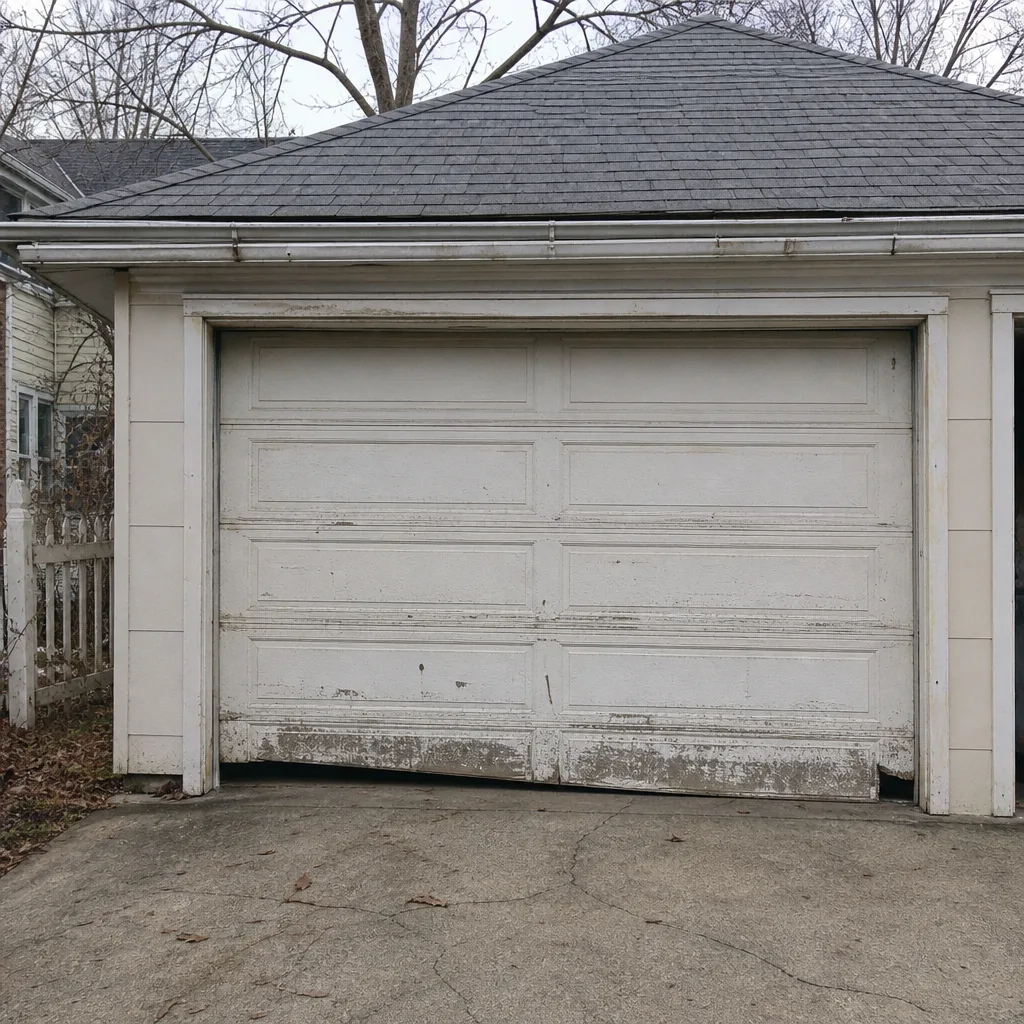 Before
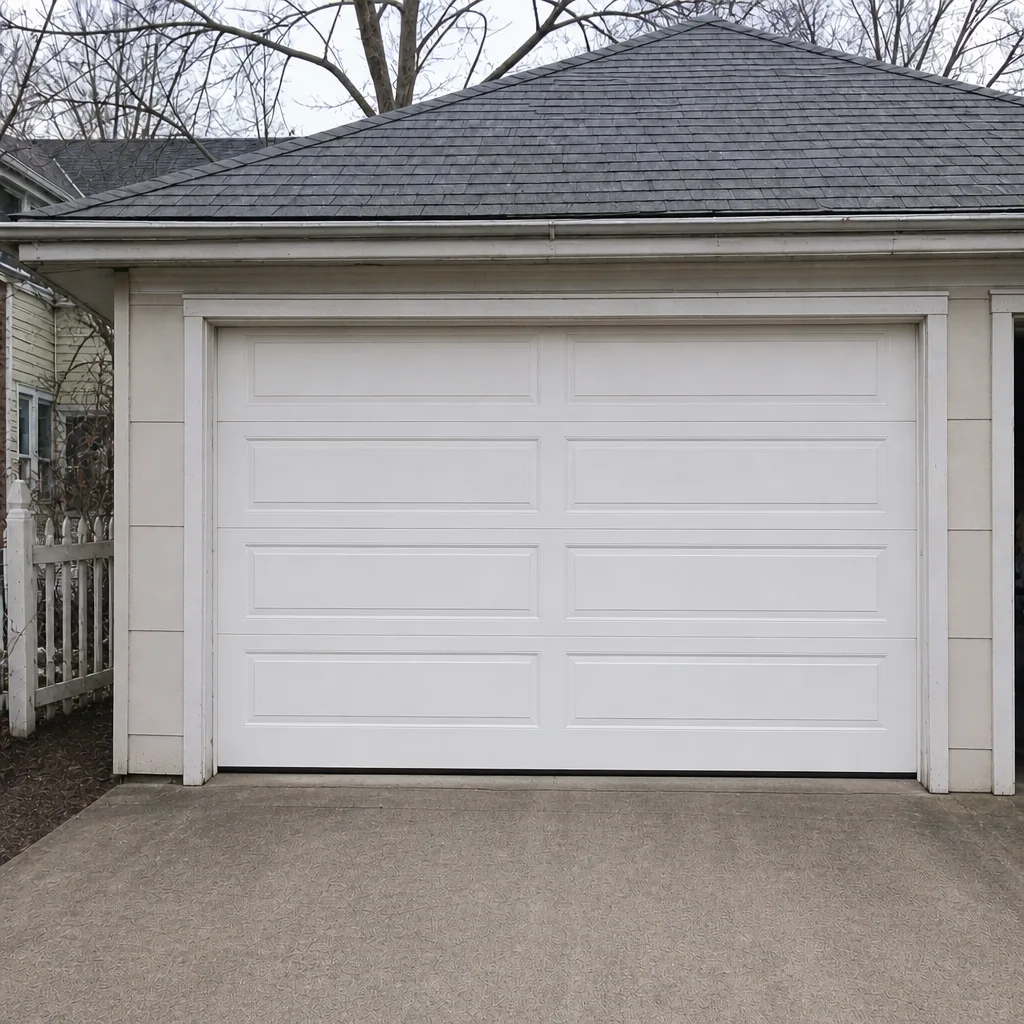 After
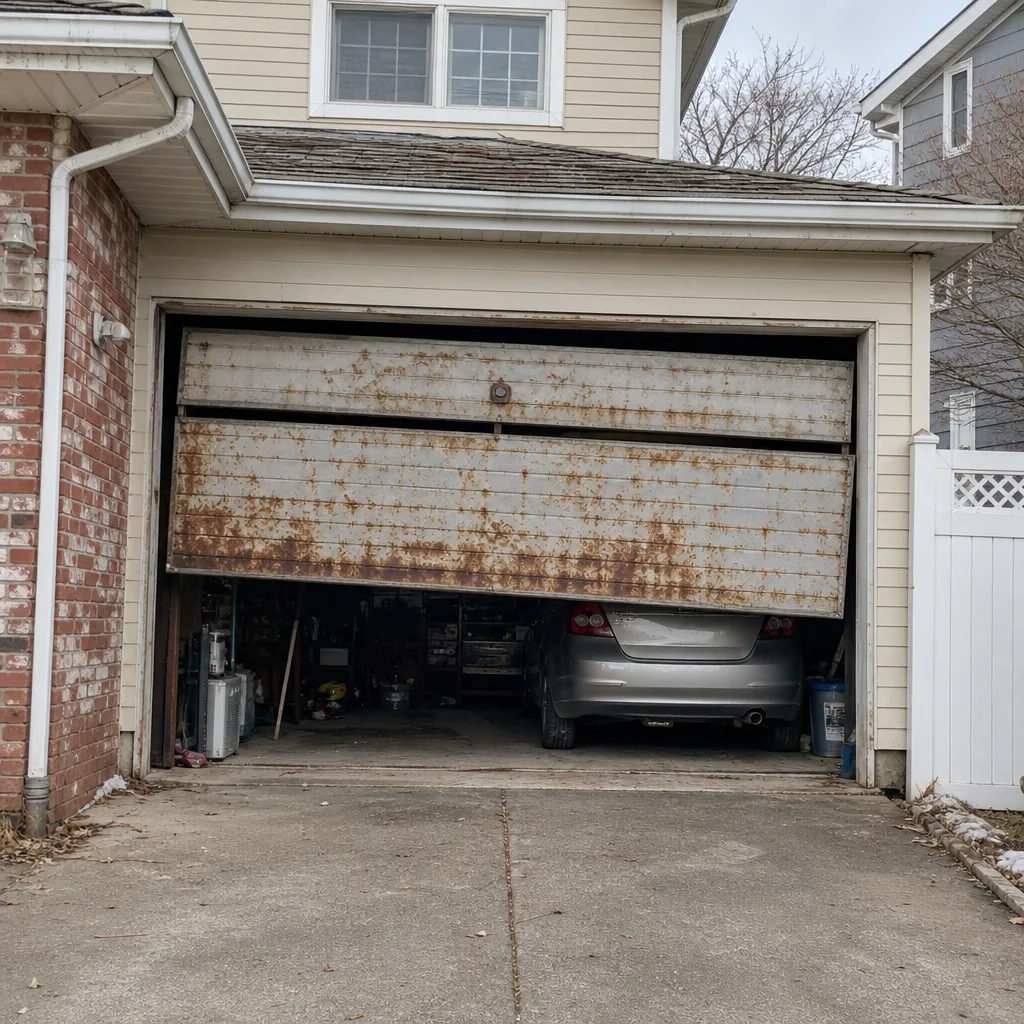 Before
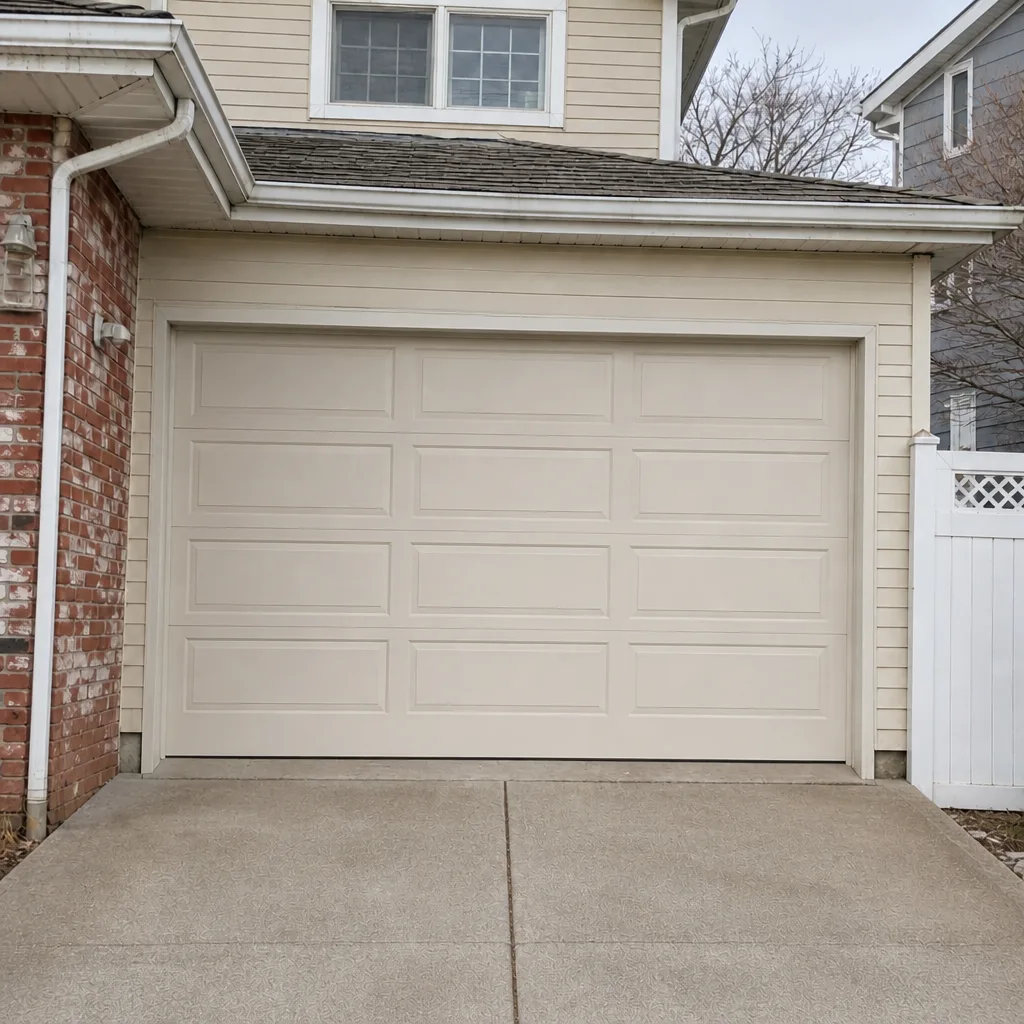 After
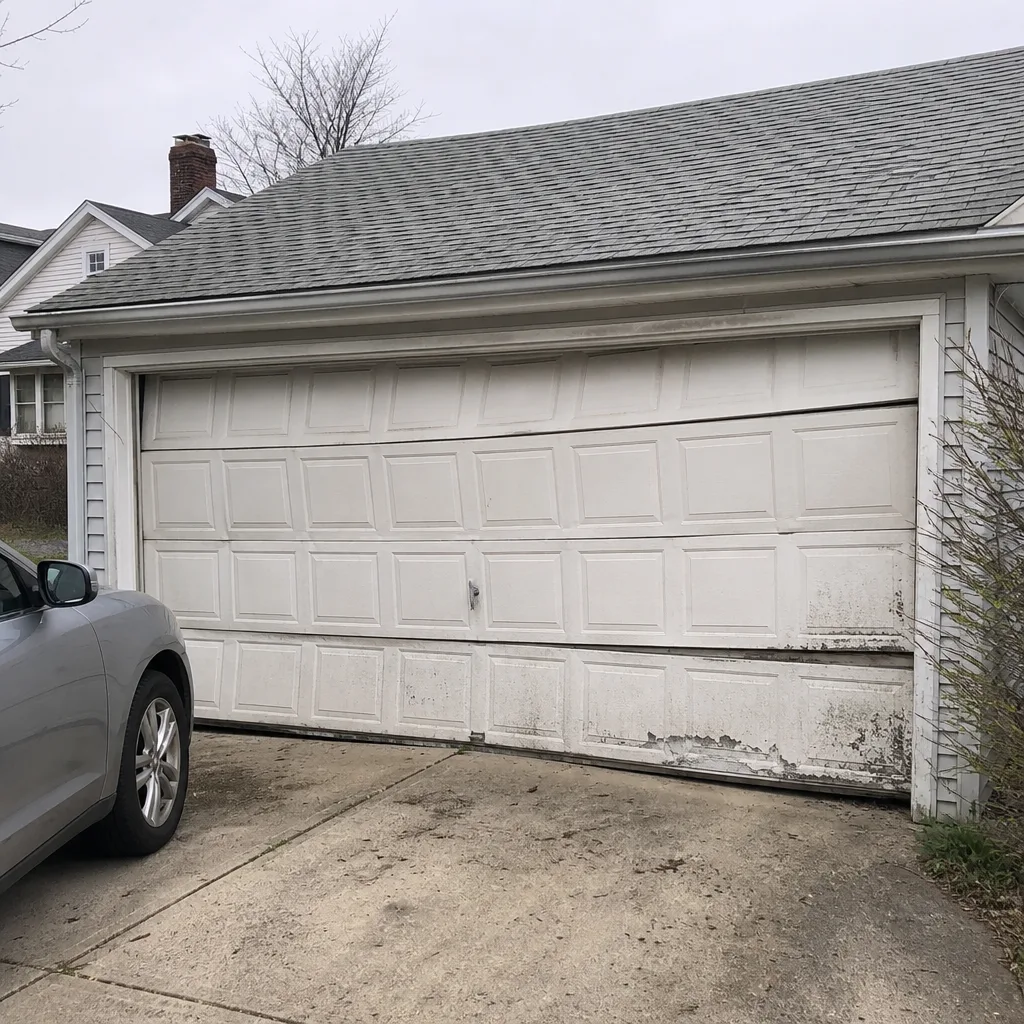 Before
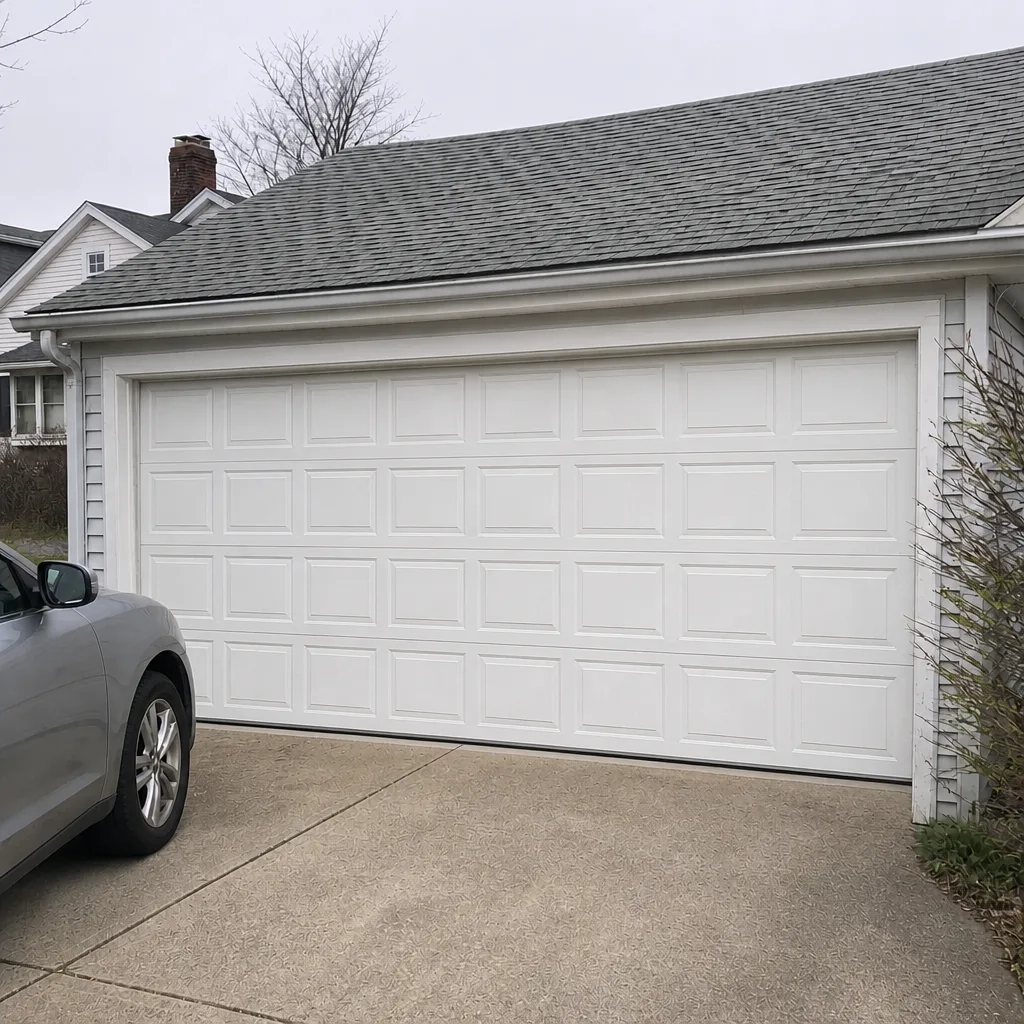 After