
Last updated November 24, 2026
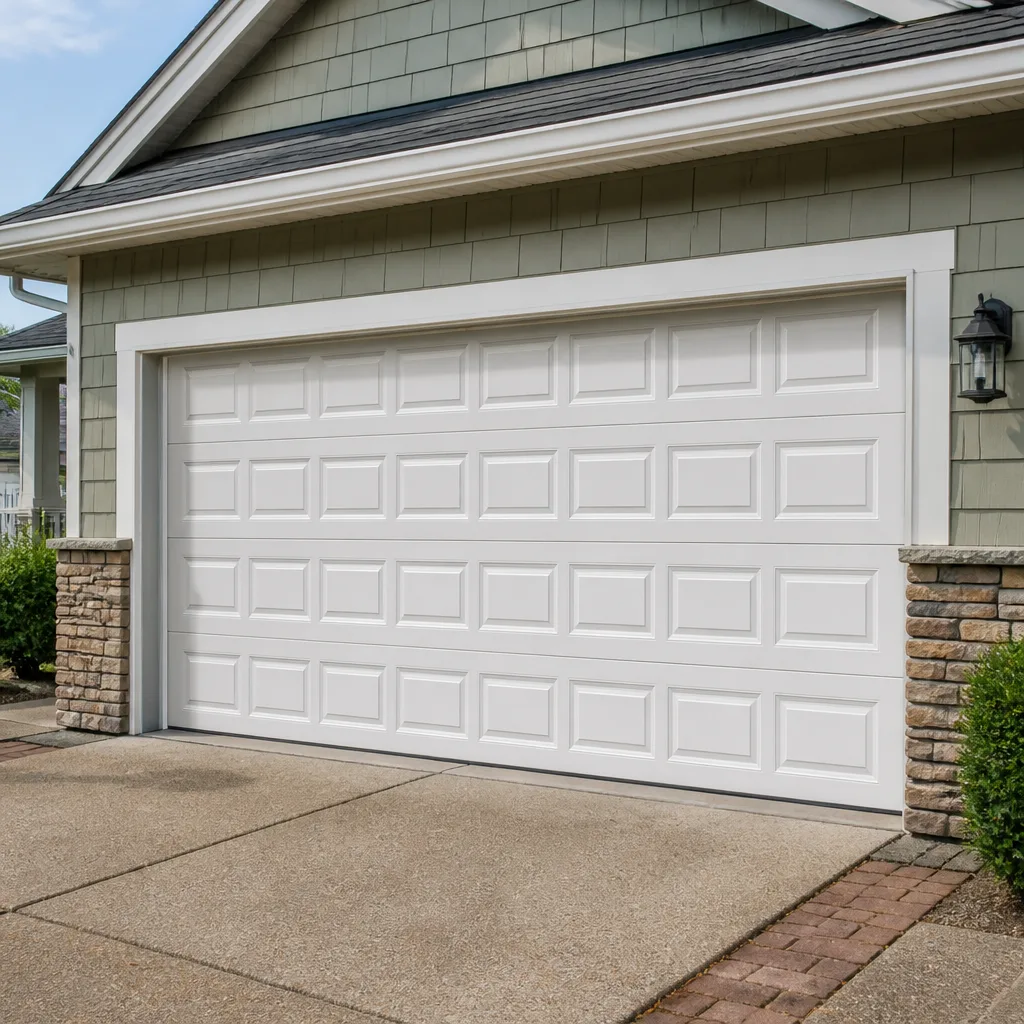 Raised-panel steel
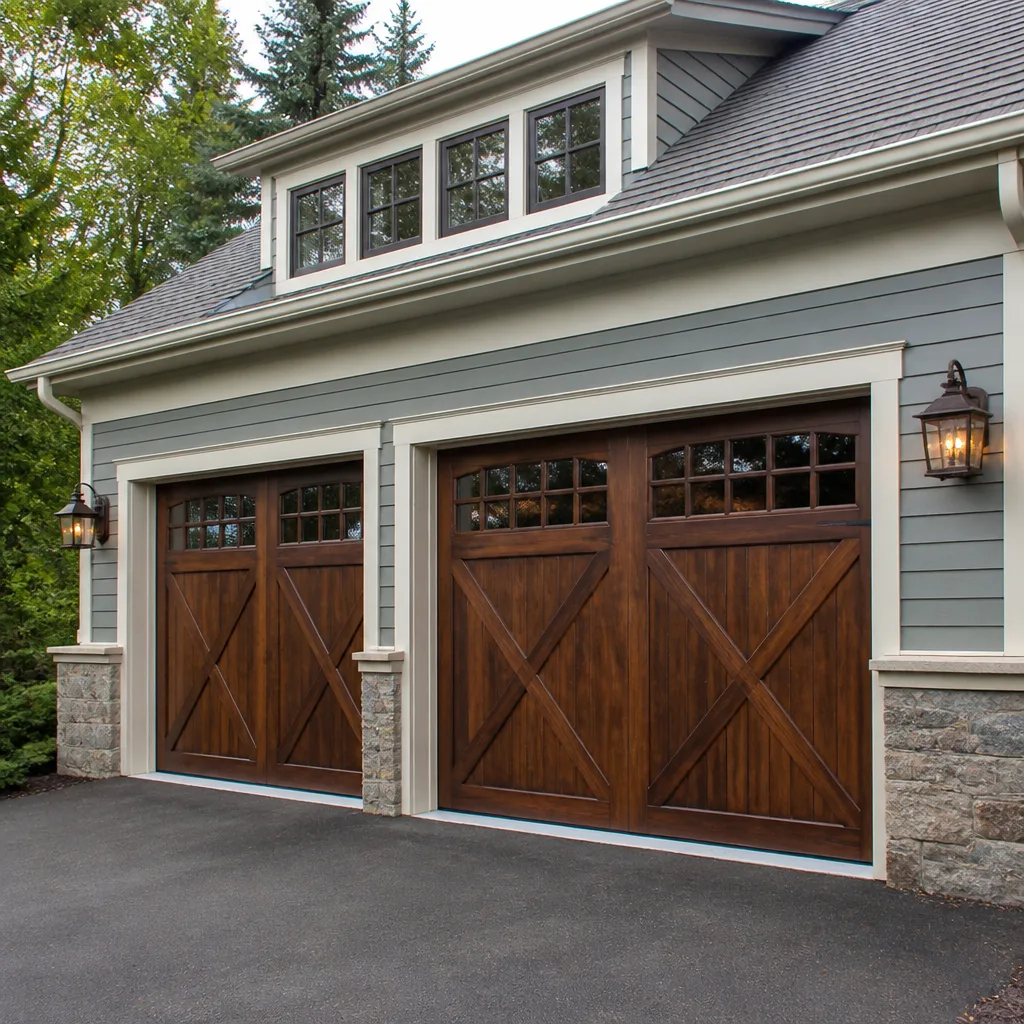 Carriage house
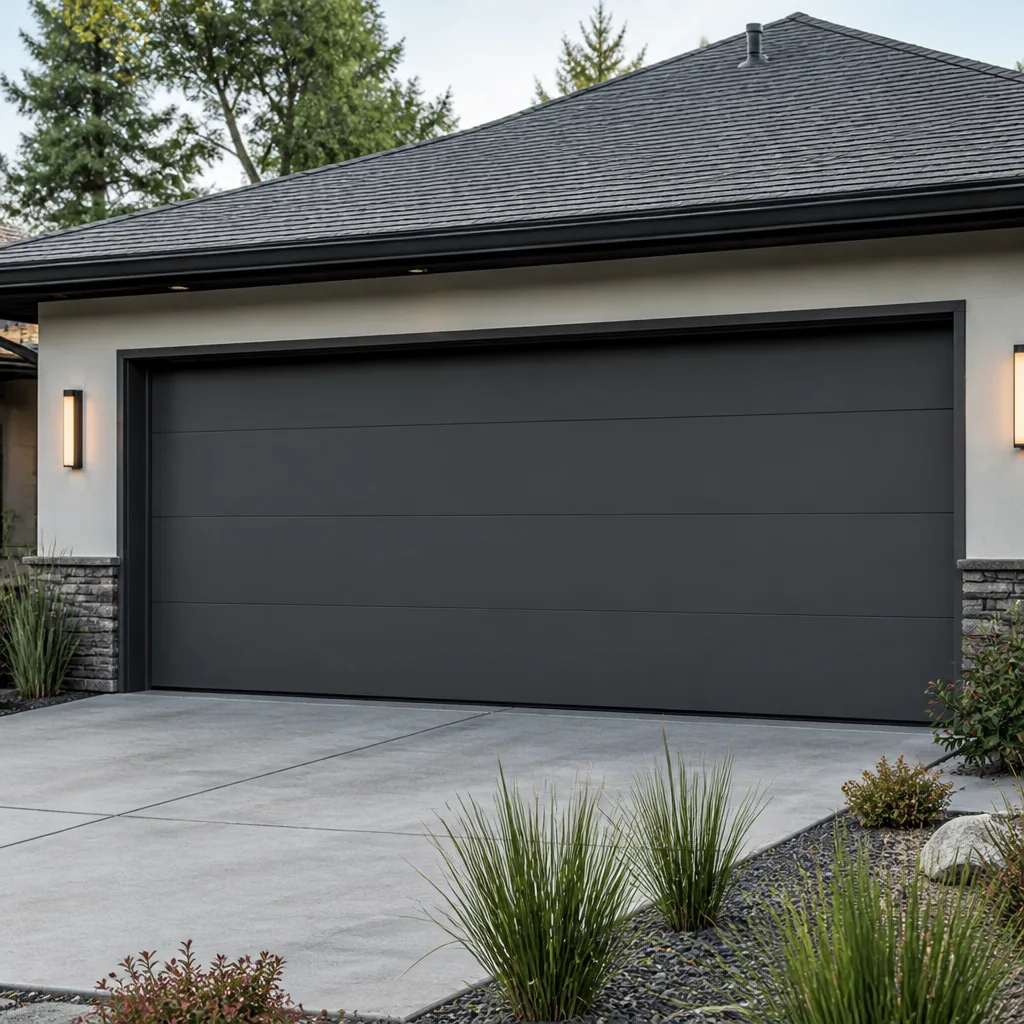 Modern flush
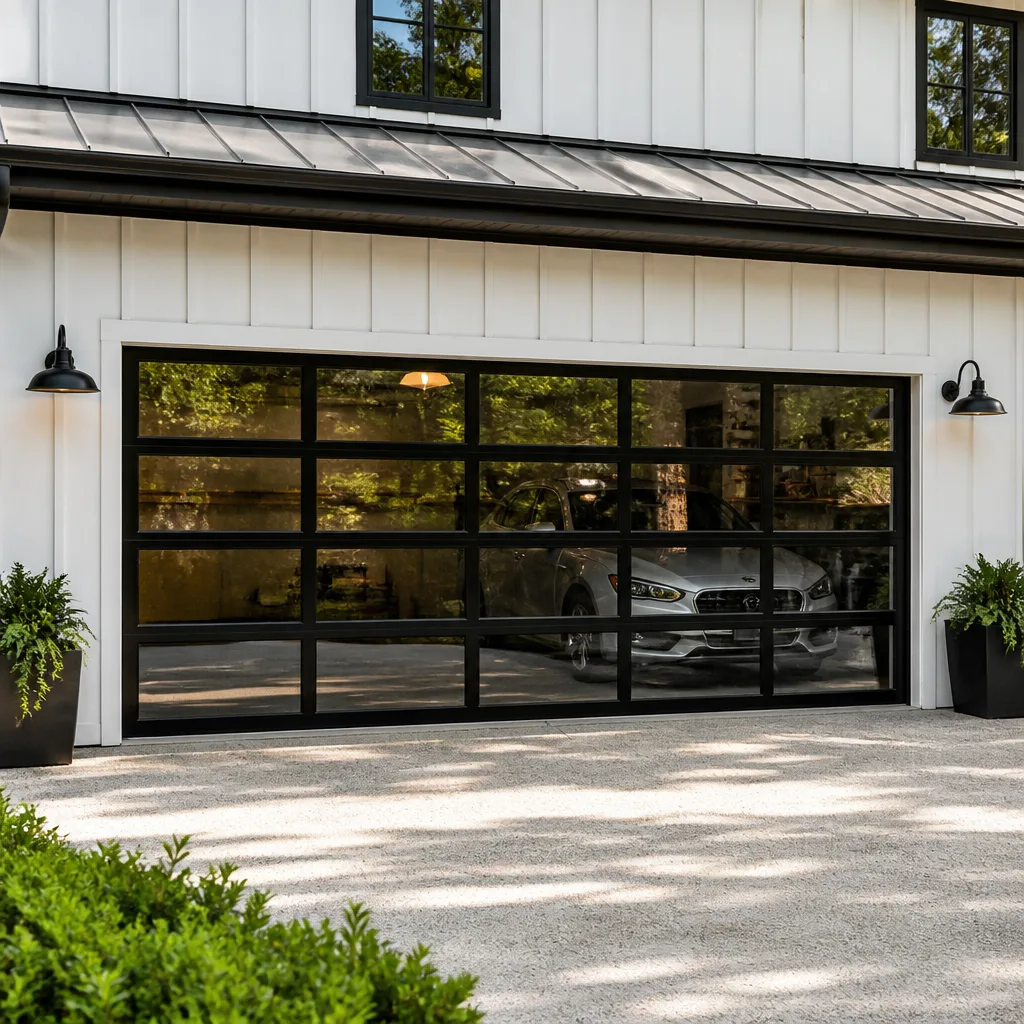 Full-view glass
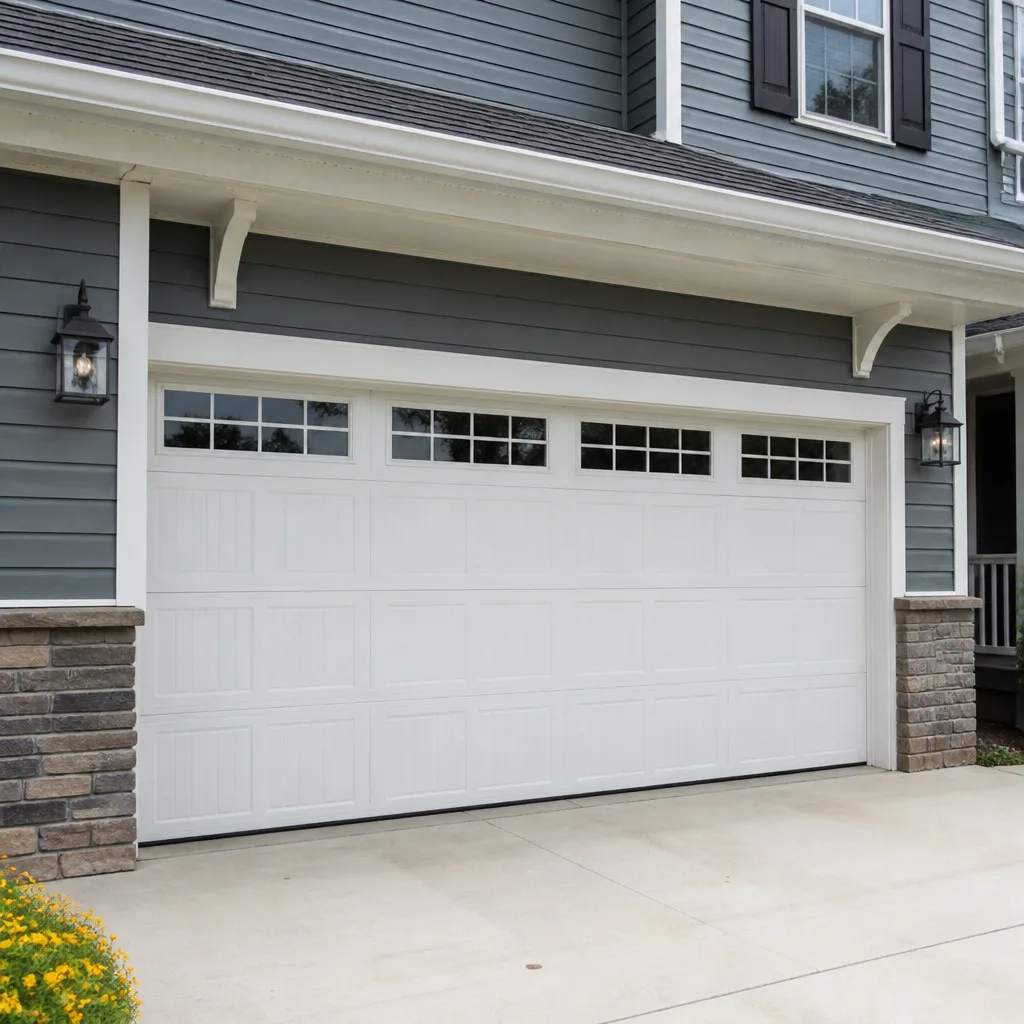 LiftMaster openers
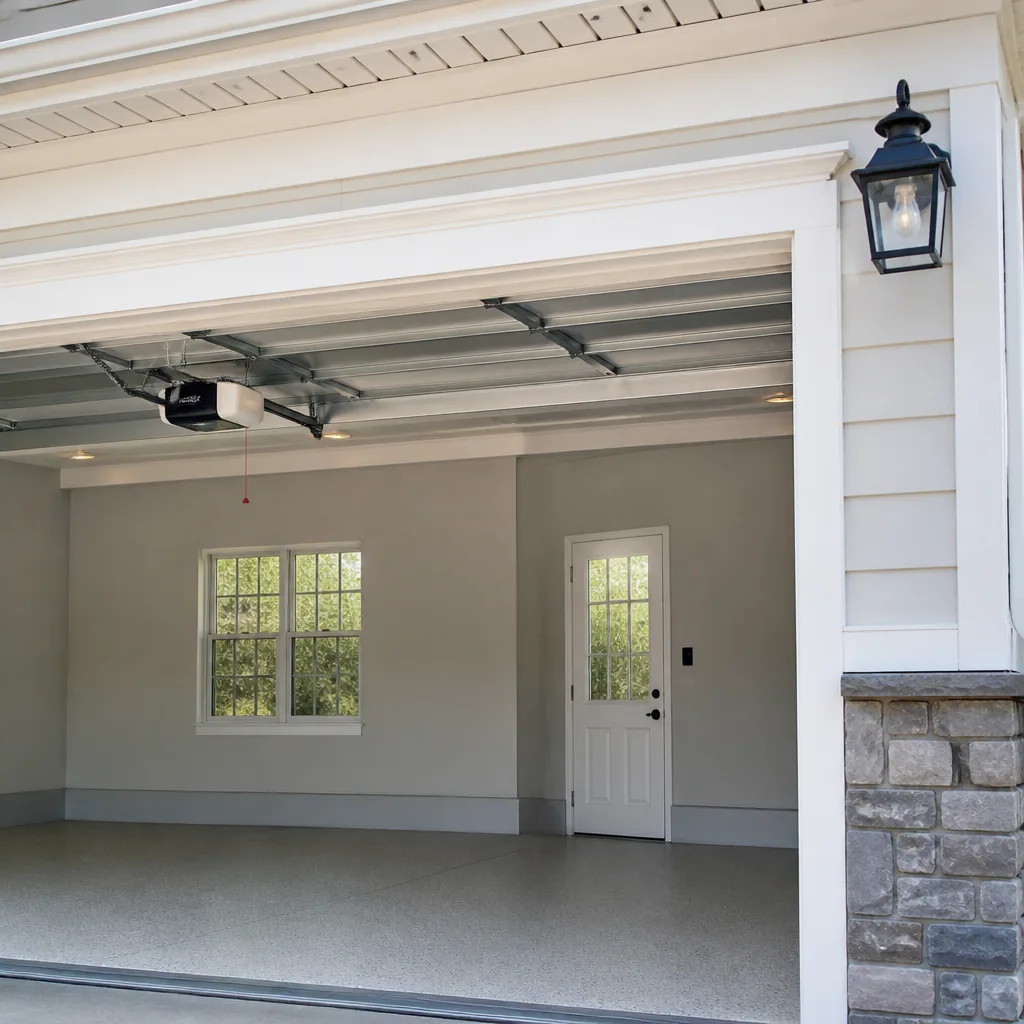 Chamberlain openers
Full 25-point door and opener safety check with every visit - springs, cables, rollers, tracks, and your LiftMaster or Chamberlain opener included
You get a price before we start. It does not change when the pro arrives.
Get your free estimateGarage Door Warning Signs: A Ridgewood Homeowner’s Reference Guide
A garage door that “just shakes a little” on the way down is not a quirk. It’s usually a roller failing on one side, and in most cases that door is a matter of weeks from jumping its track. Most garage door failures telegraph themselves for a month or more before they strand you – through sound, movement, and small visual changes that are easy to dismiss because the door still opens and closes. This guide translates those signs into plain language and clear urgency levels, so you can decide whether to call now or put it on the list. It’s written for Ridgewood homes, where many garages see heavy daily cycles and tough winters.
Quick Answer
Most garage door failures give 30 to 90 days of warning, and the signs fall into three tiers: sounds (grinding, squealing, popping, thumping) and visible track or roller damage mean call this week; a worn bottom seal or a slow opener means schedule within the month; a single squeak with no other symptoms means monitor. If you hear a loud bang from the torsion bar and the door won’t lift, or you see a visibly bent track or a snapped cable, stop operating the door and call a trained technician before you touch it again.
Styles & brands we work with
- Raised-panel steel
- Carriage house
- Modern flush
- Full-view glass
- LiftMaster openers
- Chamberlain openers
Table of Contents
- What the Sound of Your Door Is Telling You
- Visual Warning Signs, Organized by Where You See Them
- The Three-Tier Urgency Scale
- Signs That Mean Stop Operating the Door
- Cosmetic Wear vs. Structural Risk in Older Ridgewood Garages
- Opener Warning Signs Most Homeowners Miss
- How Ridgewood Weather Accelerates Wear
- Frequently Asked Questions
What the Sound of Your Door Is Telling You
Sound is the earliest diagnostic signal a garage door produces, and it’s genuinely specific. Each noise points to a different component. We’ve listened to enough of these to sort them by what they usually mean in a Ridgewood garage.
Grinding
A metallic grind, especially on one side, usually means a roller bearing has seized or a hinge is dry and binding against the track. Left alone, a seized roller drags instead of rolling, and the door starts pulling against the track. That’s the beginning of the “it drifted off-track” conversation. Grinding moves this into the call-this-week tier.
Squealing
A high-pitched squeal is almost always metal-on-metal friction at the hinges or rollers. Sometimes it’s a dry torsion spring. Squealing alone is usually the mildest of the noises and often responds to proper lubrication, but a persistent squeal from the spring itself is worth a look from a technician because those springs are under extreme tension and are not a part you want to examine closely by hand.
Popping
Popping or a single sharp snap during the door’s travel is more serious. It often points to a roller binding in a track that has been pushed slightly out of alignment, or to a failing hinge plate. If the popping started recently and gets louder toward the end of the travel, that’s the classic signature of a track that’s drifting. Call this week.
Thumping
A thump at the top or bottom of the travel is frequently a balance problem. When a spring weakens, the door gets heavier than the opener can easily carry, and it slams down or jerks up. Thumping combined with a door that feels heavy when you lift it by hand (with the opener disengaged and the door closed) is a strong signal that spring work is due. On a Ridgewood door that gets cycled a dozen times a day, weakened springs are the most common root cause we encounter.
Loud Bang Followed by a Dead Door
A bang from the torsion bar followed by a door that won’t lift typically means a torsion spring has broken. This is the do-not-operate category. We’ll cover it in detail below.
Visual Warning Signs, Organized by Where You See Them
You don’t need to be a technician to spot trouble, but you do need to know where to look and what a real warning looks like versus normal wear. Here’s how to walk a visual inspection of your door safely, from the floor, without touching any moving parts while the door is in motion or reaching into the spring assembly.
Top of the Door
Look at where the door meets the header and where the torsion bar (the horizontal shaft across the top) sits. A sagging or crooked top panel, visible daylight along a sealing edge, or a torsion bar that looks off-level are all warnings. A clear sign of a snapped cable is a loose, dangling wire near the drums at each end of the torsion bar – that’s a call-now situation.
The Tracks
Run your eyes down both vertical tracks. They should look straight and parallel. Any visible bend, a gap where a roller has jumped out, or a track that sits closer than the other one is structural. Bent tracks don’t fix themselves and they force the rollers to work at an angle, which wears them out fast. This is a call-this-week signal.
The Bottom Seal
A worn, cracked, or torn bottom weather seal is the most common cosmetic-to-functional wear item on a Ridgewood garage door. A failing seal lets in cold air, water, and small pests, and it’s a genuine but low-urgency item. Schedule it within the month rather than panicking – it’s not a structural risk, but it does make your garage colder than it needs to be through the winter.
Hinges and Rollers
Nylon rollers showing flat spots, cracks, or missing pieces are on the way out. Hinges that look rusted or bent at the plate mean replacement is coming. One cracked roller with everything else sound is a monitor item. Multiple worn rollers on one side means the whole door is pulling unevenly – call this week.
The Door Panels
Dents happen. Where they matter is at the point of connection to the hinges and the section joints. A dent that deforms the panel edge or cracks the panel there can compromise the structural strength of the section. On a steel door from a Wayne Dalton or Craftsman line, a shallow dent in the middle of a panel is cosmetic; a dent that distorts the hinge mount is not.
The Three-Tier Urgency Scale
The whole point of learning the warning signs is to stop doing one of two things: panicking at every creak, or ignoring everything until the door fails. Here’s the framework we recommend. Use it to sort every symptom you notice into one of three buckets.
- Tier 1 – Handle this week. Grinding on one side, popping during travel, a visibly bent track, a door that drifts or wobbles, multiple worn rollers on one side, daylight showing through a closed gap, an opener that strains loudly to lift the door. These compound fast. A bent track or a dragging roller will wear out nearby parts in a matter of weeks.
- Tier 2 – Schedule within a month. A worn or cracked bottom seal, a single stiff or noisy hinge, an opener that sometimes doesn’t respond to one remote, a slow door, cosmetic dents, a door that mildly squeals every few cycles. These are real maintenance items, not emergencies. Booking them prevents them from graduating to Tier 1.
- Tier 3 – Monitor for now. A single faint squeak with no other symptom, a minor cosmetic scratch, a remote that occasionally needs a second press but works reliably otherwise. Note it, keep an eye on it, and re-check in a couple of weeks.
The one thing this scale should stop is the middle ground – the “I’m sure it’s fine” that lets a bent track or a failing roller ride for months until it drops the door off the rails. In our experience, Ridgewood door failures almost always started as a Tier 2 symptom someone left for the spring.
Signs That Mean Stop Operating the Door
Some warning signs mean you shouldn’t cycle the door again until a trained technician has looked at it. This isn’t meant to alarm you – most of these situations are fixable and routine. It’s meant to keep you and your family out of the path of a door that can genuinely injure someone when it fails.
- A loud bang from the spring area followed by a door that won’t lift, or lifts only part way and stops. A torsion spring has almost certainly snapped. A door with a broken spring is unsafe to force – leave it closed and call.
- A visibly snapped or dangling cable. The cables carry the door’s weight along with the springs. A broken cable means uncontrolled force. Do not touch it and do not cycle the door.
- A door hanging visibly off one track or out of one roller. Operating it further can bend the panels or drop the door.
- A door that slams down hard and won’t stop on its own. A failed spring or a malfunctioning opener safety system can let a door come down with full weight. Keep family and pets clear.
- A door that reverses or reopens for no reason on the way down. The opener’s safety sensors may be misaligned or a spring may be unbalanced. Unbalanced doors are a hazard to anyone underneath.
The common thread: any sign of uncontrolled force, snapped tension hardware, or a door pulling out of its track is a stop signal. Springs and cables are under extreme tension and require calibrated tools and proper procedure to work on safely, so keep your hands off them. That’s exactly the expertise the specialty spring work requires, and it isn’t a DIY job.
Cosmetic Wear vs. Structural Risk in Older Ridgewood Garages
Lots of Ridgewood homes have garages that predate modern door and opener standards. Between older single-skin steel doors in the Craftsman and Genie lines still in service, and doors that get cycled far more than the manufacturer expected, older Ridgewood garages need a slightly different read on what “normal” looks like. The trick is separating wear that only affects appearance from wear that affects structure and safety.
What counts as cosmetic in an older garage
- Faded paint, minor surface rust at the bottom edge, or shallow dents that don’t reach a hinge mount
- A slightly noisy hinge or roller that responds to lubrication
- Weather stripping that’s cracked but intact
- An opener that runs a little louder than a new unit – older openers aren’t quiet
What counts as structural risk in an older garage
- A bent vertical or horizontal track
- Any section of the door that’s separated at a joint or has a cracked panel edge
- Springs that have been under load for many years without replacement – even without a snap, a spring past its service life can fail suddenly
- A door that sags or hangs unevenly when closed
- A torsion bar that’s no longer level
High-cycle use is the main driver. A Ridgewood garage used as the main household entry easily cycles the door dozens of times a day, which accelerates spring and roller wear far beyond the light-duty use the door may have been designed for originally. If your door is doing that kind of work, prioritize any Tier 1 symptom. If the structural signs show up, a repair visit from a specialist will confirm what needs replacing and what can wait – we work on what you already have, whether that’s an older Raynor door or a more recent Amarr install.
Opener Warning Signs Most Homeowners Miss
The door itself isn’t the only thing warning you. The opener has its own set of tell-tales, and on LiftMaster, Chamberlain, Genie, and Craftsman systems they’re pretty consistent. When you call for garage door opener repair, the technician is diagnosing which of these issues you’re seeing.
- Strains loudly but lifts the door. The opener is working harder than it should. On a modern opener with safety reverse, that usually means the door is out of balance, and the real fix is a spring adjustment – not a new opener.
- Runs but doesn’t move the door. Often a stripped gear or a disengaged manual release. Check that the manual release is re-engaged (with the door closed), then call.
- Stops mid-travel. LiftMaster and Chamberlain units often flash the opener’s light in a pattern when they hit a fault – if you can, note how many flashes and mention it when you call.
- Only one remote works. Usually a pairing issue, not a hardware failure. Worth a call for quick diagnostics before you replace anything.
- The safety sensors stopped working. The two small sensors at the base of the tracks need a clear line of sight. Spiders, dirt, or a bumped sensor will stop the door from closing on its own – that’s a same-day nuisance fix worth calling for.
Smart-home openers in the LiftMaster and Chamberlain MyQ family add one more symptom to watch: if the app shows “obstructed” or won’t confirm a close, don’t assume the app is glitchy. It’s often a door-balance or sensor issue that the app is correctly flagging. That’s the kind of connected-opener problem that’s worth garage door repair attention before the door stops closing altogether.
How Ridgewood Weather Accelerates Wear
Ridgewood winters are hard on a garage door, and it’s not about the temperature alone. It’s what the temperature does to your hardware. Cold makes metal less forgiving – springs stiffen under the load, and any weakening already underway becomes more likely to fail suddenly on a very cold morning. If you’ve been watching a symptom for a while, the coldest weeks are when it’s likeliest to graduate from a squeak to a snap.
The freeze-thaw cycle around Ridgewood keeps the bottom seal under stress. Water settling around the base of the door, then freezing and expanding, can crack a seal faster than anyone would expect and can work its way into a door panel’s lower edge. That’s why we treat a worn ridge-bottom seal as a schedule-within-the-month item, not something to put off until spring. And when the ground shifts slightly around a door over years of freezing, the tracks can drift a quarter inch and take a perfectly fine door off-level. That’s where wobble and popping come from.
Humidity in the summer gets in the same way – a failing seal lets moisture into the garage, and that accelerates rust on hinges and springs. A door that only became noisy this past winter is often the same door that got moisture in through a worn seal the summer before. The fix is usually a combination: a bit of maintenance on the moving parts, a seal replacement, and a balance check.
Common Mistakes to Avoid
- Ignoring a single squeak for months. The mild symptom you hear now is the early signal before a bigger repair. A quick look beats a broken spring any day.
- Washing down the moving parts with WD-40 and calling it fixed. Most rollers and hinges need a proper garage door lubricant, not a general-purpose spray. The wrong product attracts dirt and makes the binding worse.
- Adjusting the tracks yourself to “straighten” a wobble. Tracks are aligned to a specific tolerance, and getting them off by even a small amount accelerates roller wear. This is a trained technician’s job.
- Forcing a door with a broken spring to open with the manual release. A torsion spring replaces the door’s weight on the cables. Without it, that door weighs far more than you can safely hold, and letting it drop is a real injury risk.
- Assuming a loud opener means the opener is bad. Nine times out of ten, a straining opener is a door balance issue – a technician will look at the springs first, not just quote you a new opener.
- Ignoring the bottom seal through a whole Ridgewood winter. A cracked seal lets in cold air, water, and pests, and it gets worse with freeze-thaw. A cheap-to-replace part is worth scheduling before the deep cold.
- Waiting until the door is stuck to call. Emergency door service exists for exactly that, but it’s easier and less stressful to book a repair when the door still opens.
See the difference
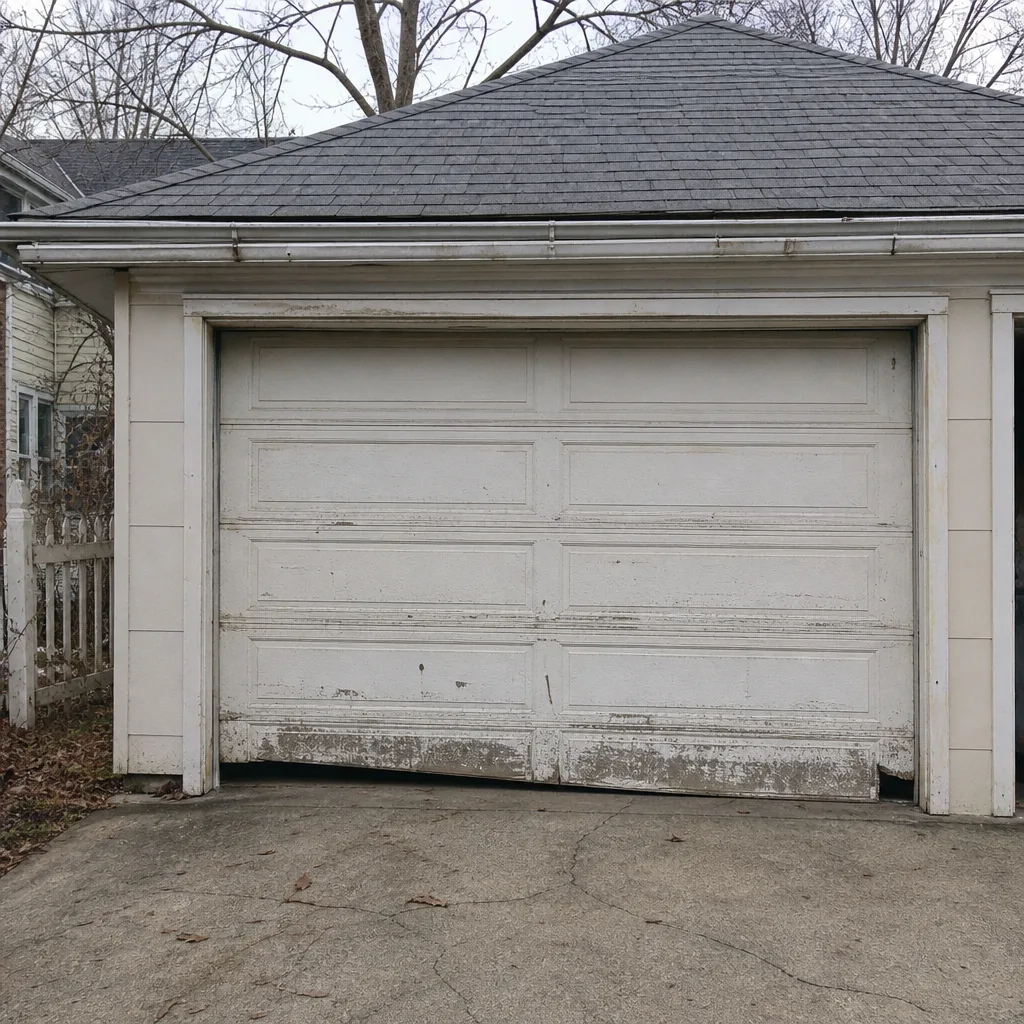 Before
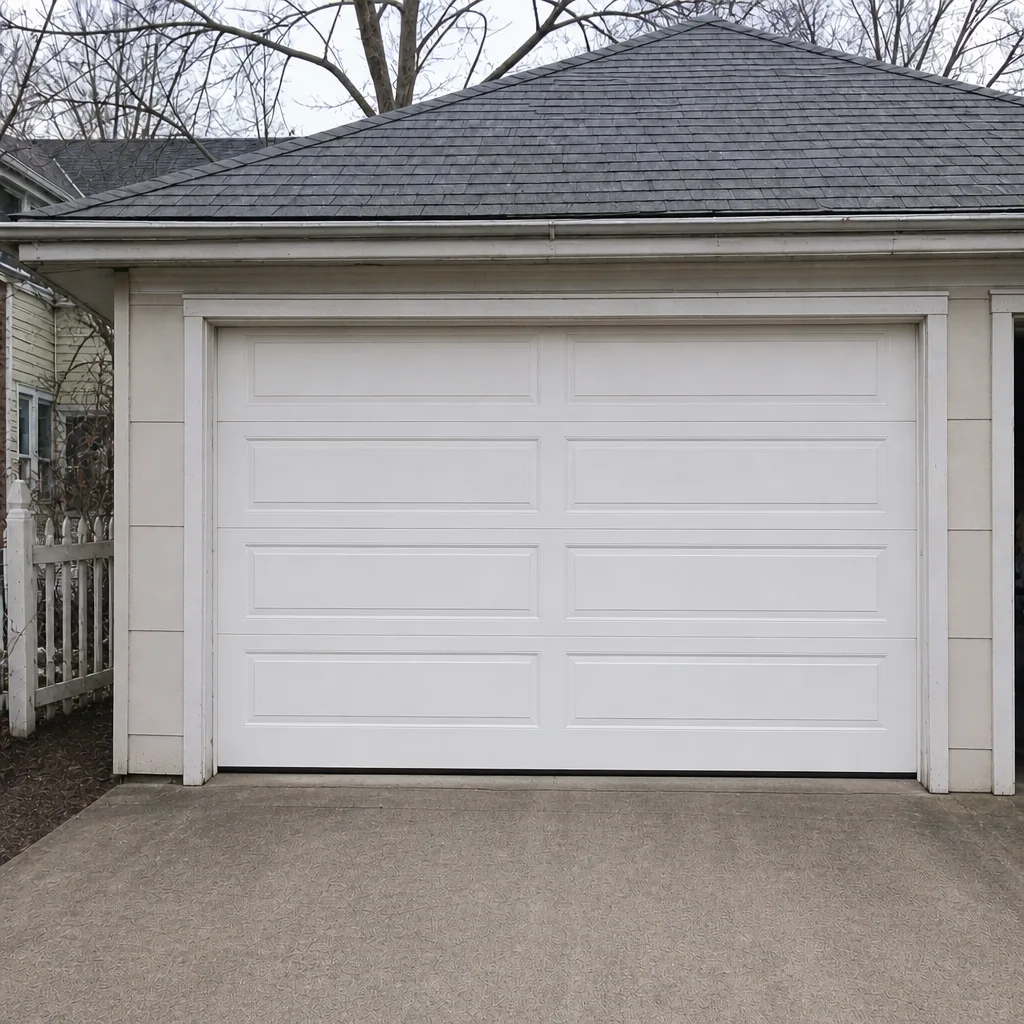 After
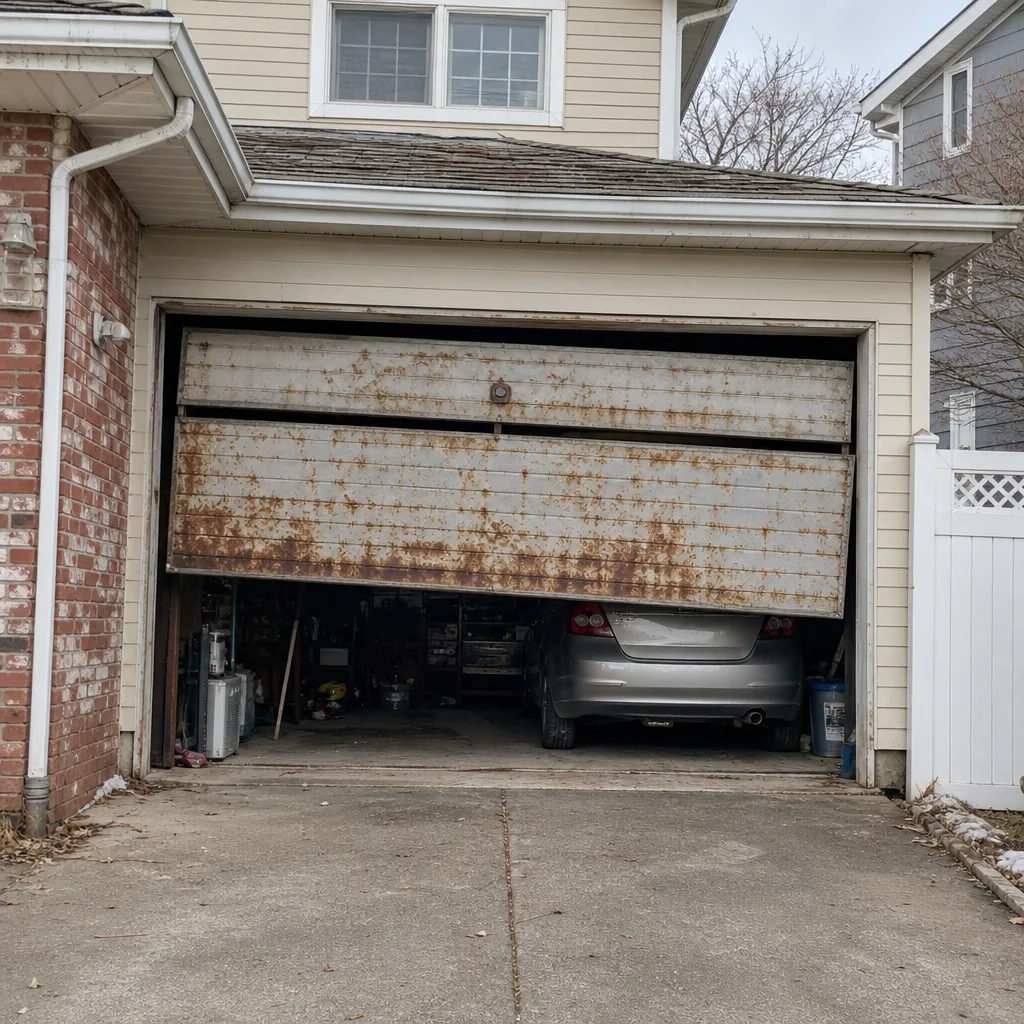 Before
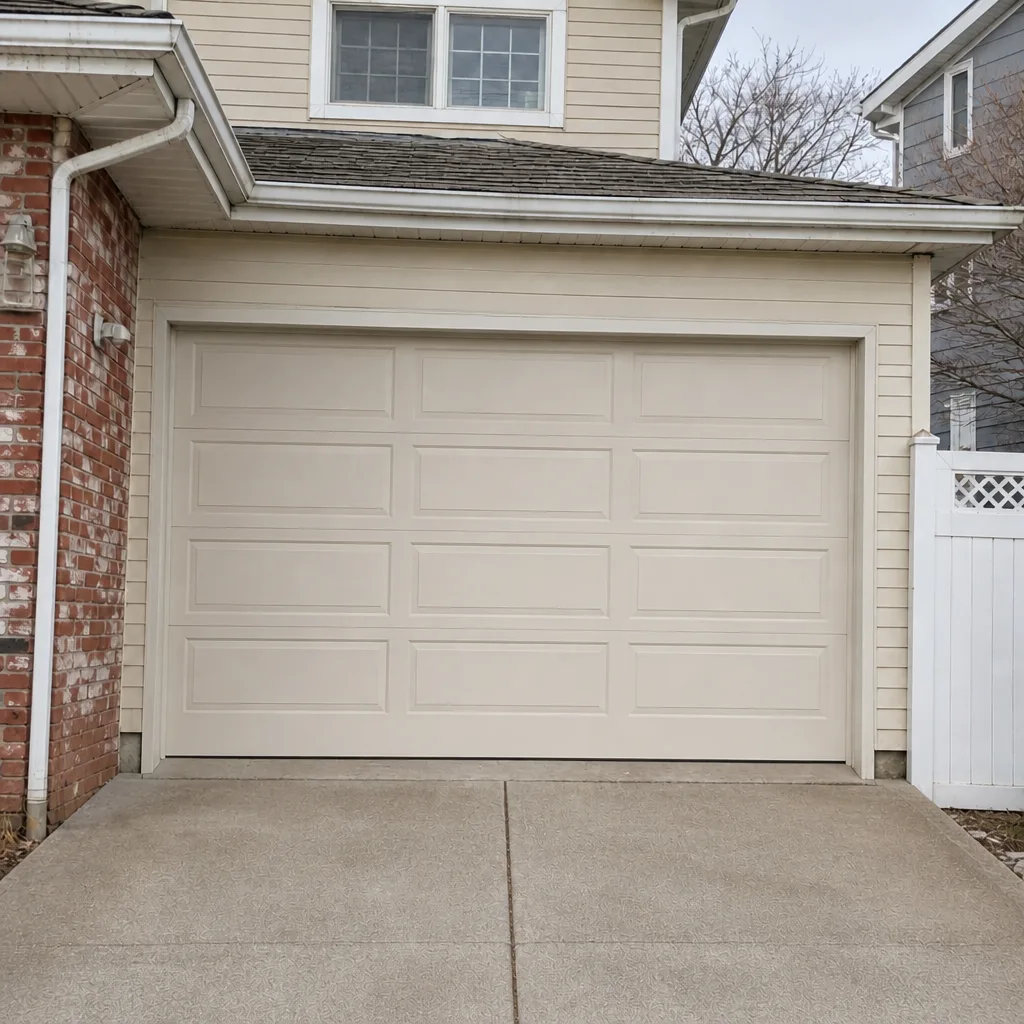 After
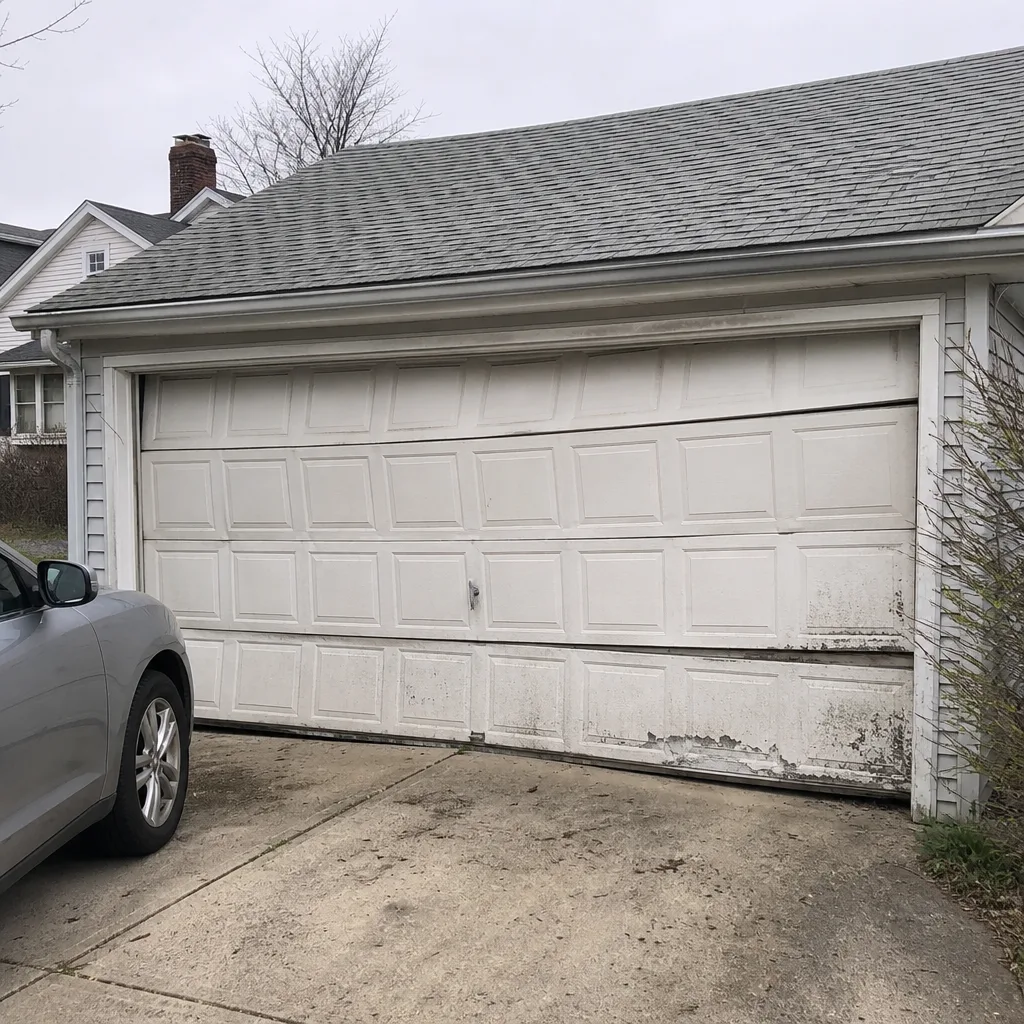 Before
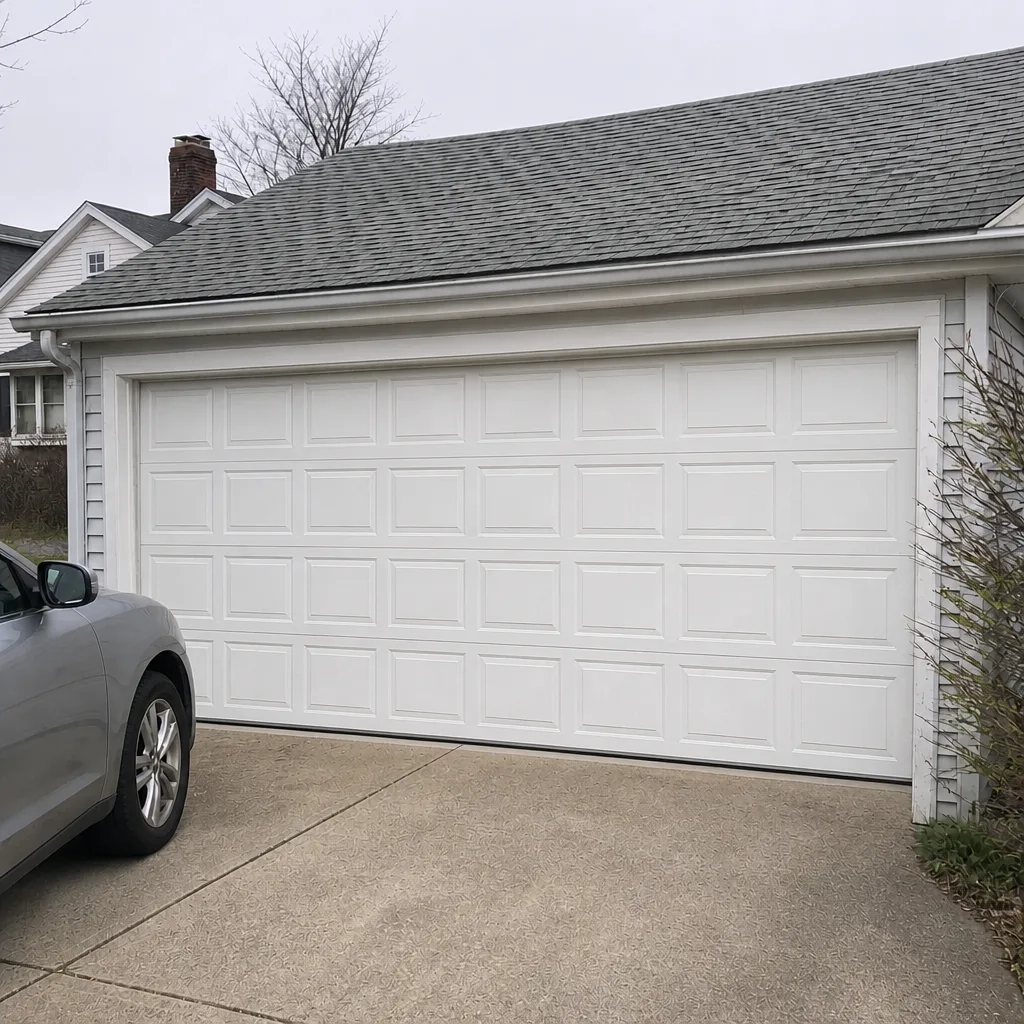 After
When to Call a Professional
Call a trained technician for any Tier 1 symptom on the urgency scale – grinding, popping, a bent track, a door that drifts, or a visibly worn roller set. Call immediately for any of the stop-operating signs: a snapped spring, a dangling cable, a door off its track, or a door that slams. Never work on a torsion or extension spring yourself – they’re under extreme tension and require calibrated tools, and this is where injury happens. For the door itself, our garage door installation team can also advise when repair has become a replacement conversation. In our experience, Ridgewood homeowners do best when they call at the first clear Tier 1 sign rather than waiting for the failure, so a routine repair stays a routine repair.
Ridgewood Garage Door Repair offers free estimates in Ridgewood – call (855) 692-0594. We answer 24/7. Fast dispatch from 7am to 7pm, Sunday through Friday. The price is set per job by a written estimate, and it’s agreed before any work starts.
Frequently Asked Questions
A garage door that’s getting noticeably heavier, that slams down instead of lowering smoothly, or that thumps at the top or bottom of travel is showing balance symptoms that often precede a spring failure. Loud popping or snapping during a cycle can also point to spring trouble. Springs themselves are under extreme tension, so don’t diagnose by hand – call (855) 692-0594 for a free estimate and let a technician check the spring and balance.
Grinding or squealing during travel is the most common early sign, and it usually traces back to a binding roller or a dry hinge rather than anything dramatic. It’s easy to dismiss because the door still works, but it’s exactly the kind of symptom that grows into a bent track over a few weeks. Call (855) 692-0594 for an exact quote – estimates are free.
No, a bent track is a trained technician’s job. Track alignment is set to a specific tolerance, and getting it slightly off accelerates roller wear and can put the door at risk of coming off the rails. It’s a routine repair visit, so call (855) 692-0594 for a free estimate.
Usually not. A straining opener is most often a sign that the door is out of balance, which points to the springs and hinges, not the opener unit itself. Diagnosis first, replacement second. Call (855) 692-0594 and a technician will check the door’s balance and the opener together.
Repair is the answer for most warning signs, including springs, rollers, tracks, cables, and seals. Replacement becomes the conversation when panels are structurally compromised, when the door is consistently out of balance even after repair, or when the cost of multiple repairs approaches replacement. Call (855) 692-0594 for a free estimate – the written price sets the final number either way.
Yes. We service eight of the most widely installed door and opener brands, including Amarr, Wayne Dalton, Craftsman, and Raynor, so we work on what you already have rather than pushing a specific brand. If you’re not sure what’s on your door, the technician will identify it during the visit. Call (855) 692-0594 to book a free estimate.
No – the price is set per job by the written estimate and you approve it before any work starts. That’s the number you pay, and if it changes because we find something different, it changes only with your agreement before we touch it. Call (855) 692-0594 for a free estimate.
The Bottom Line
Most garage door failures announce themselves weeks or months ahead, and the signs are learnable. Listen for grinding, popping, and thumping; look at the tracks, rollers, and top of the door; and sort what you find into call-this-week, schedule-within-the-month, or monitor. Stop operating the door if you see a snapped spring, a dangling cable, or a door off its track – those are force and safety issues, and any spring or cable work belongs with a trained technician. Ridgewood’s cold winters and heavy daily cycles make the timeline shorter than most homeowners expect, so treat the early signs seriously. Ridgewood Garage Door Repair covers repair, spring work, opener repair, and full door installation on the eight major brands, so there’s one call for whatever your door is doing. Our technicians have up to 11 years of experience.
Call (855) 692-0594 for a free estimate. We answer 24/7, with fast dispatch from 7am to 7pm, Sunday through Friday.
Written by the team at Ridgewood Garage Door Repair.