
Last updated November 24, 2026
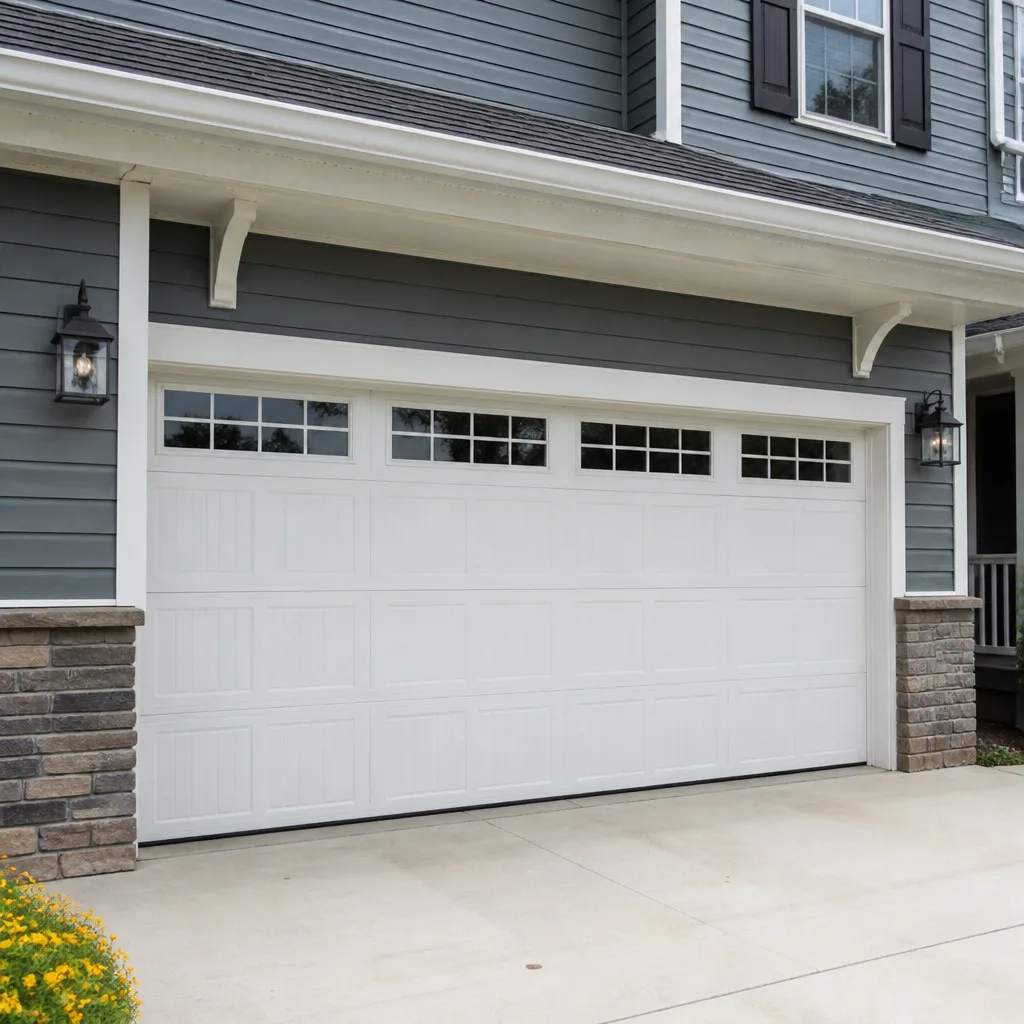
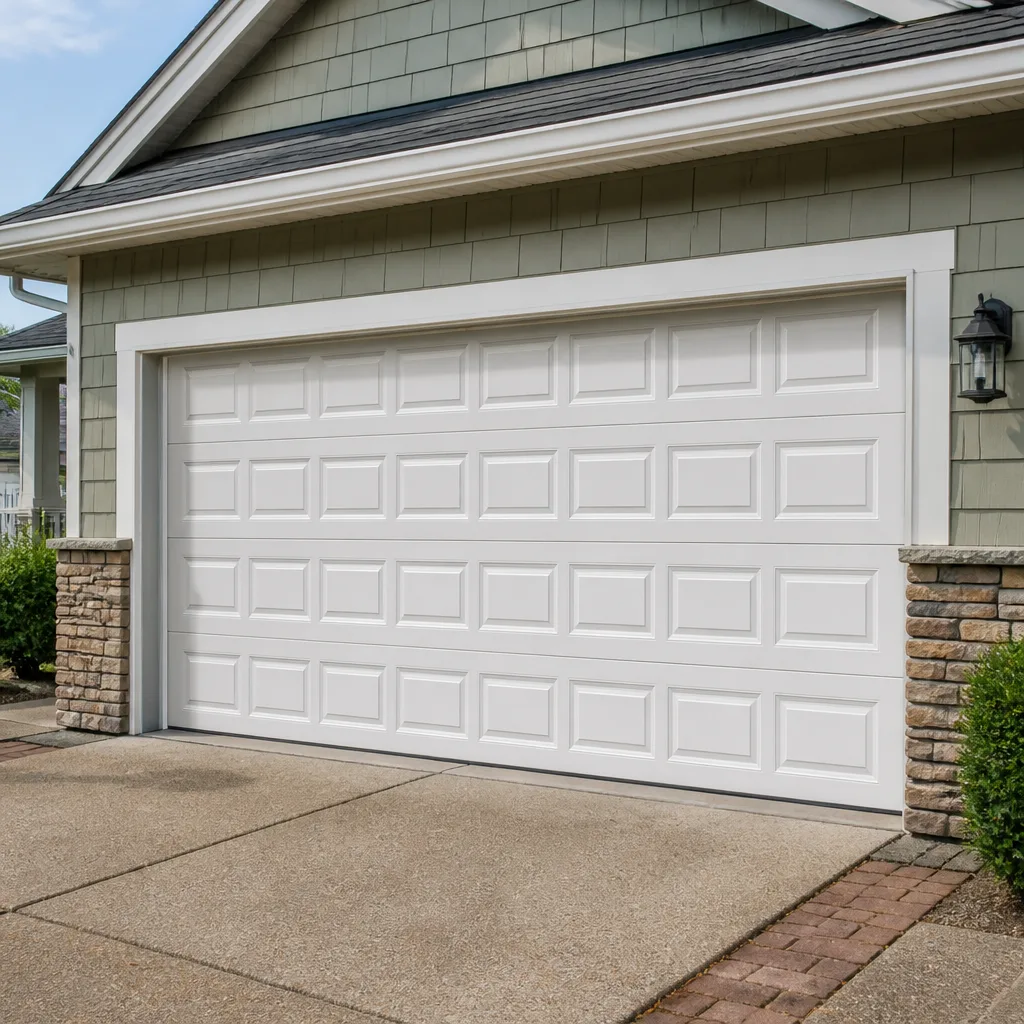 Raised-panel steel
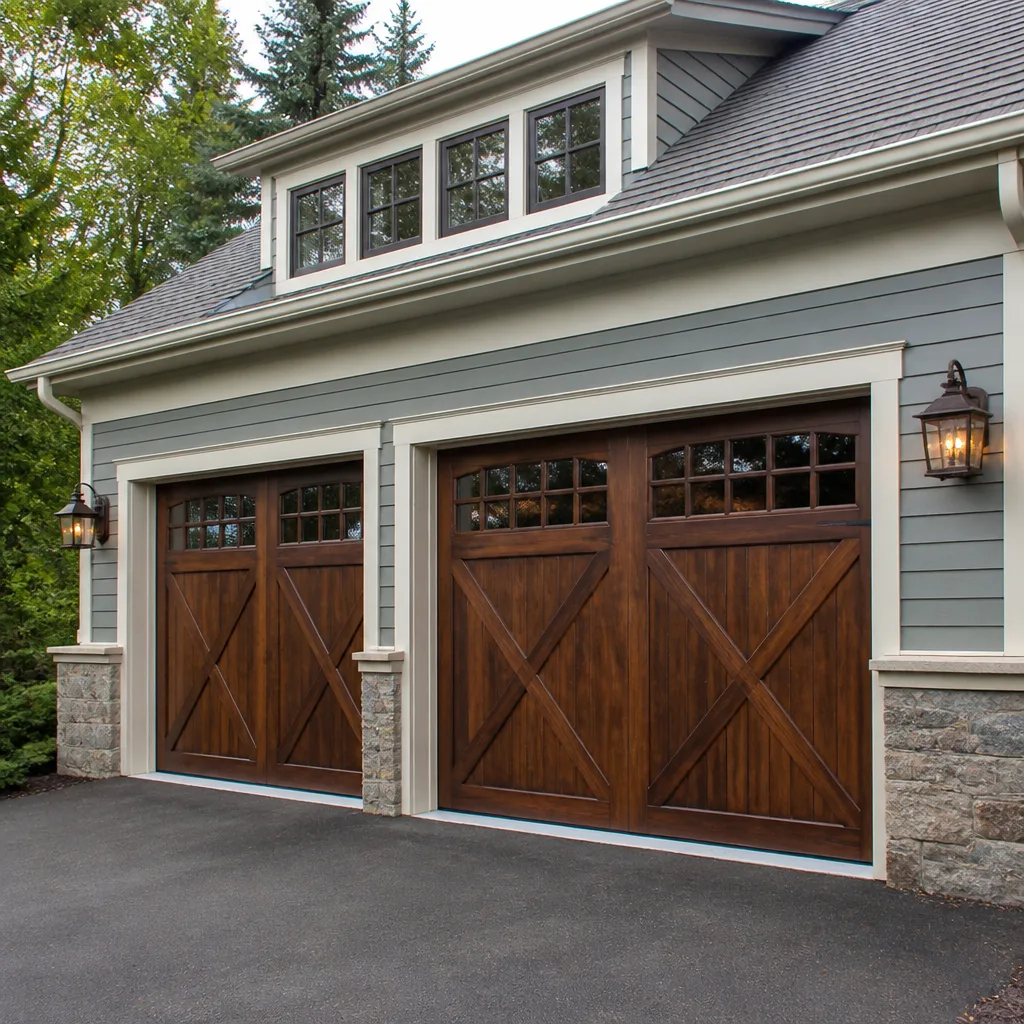 Carriage house
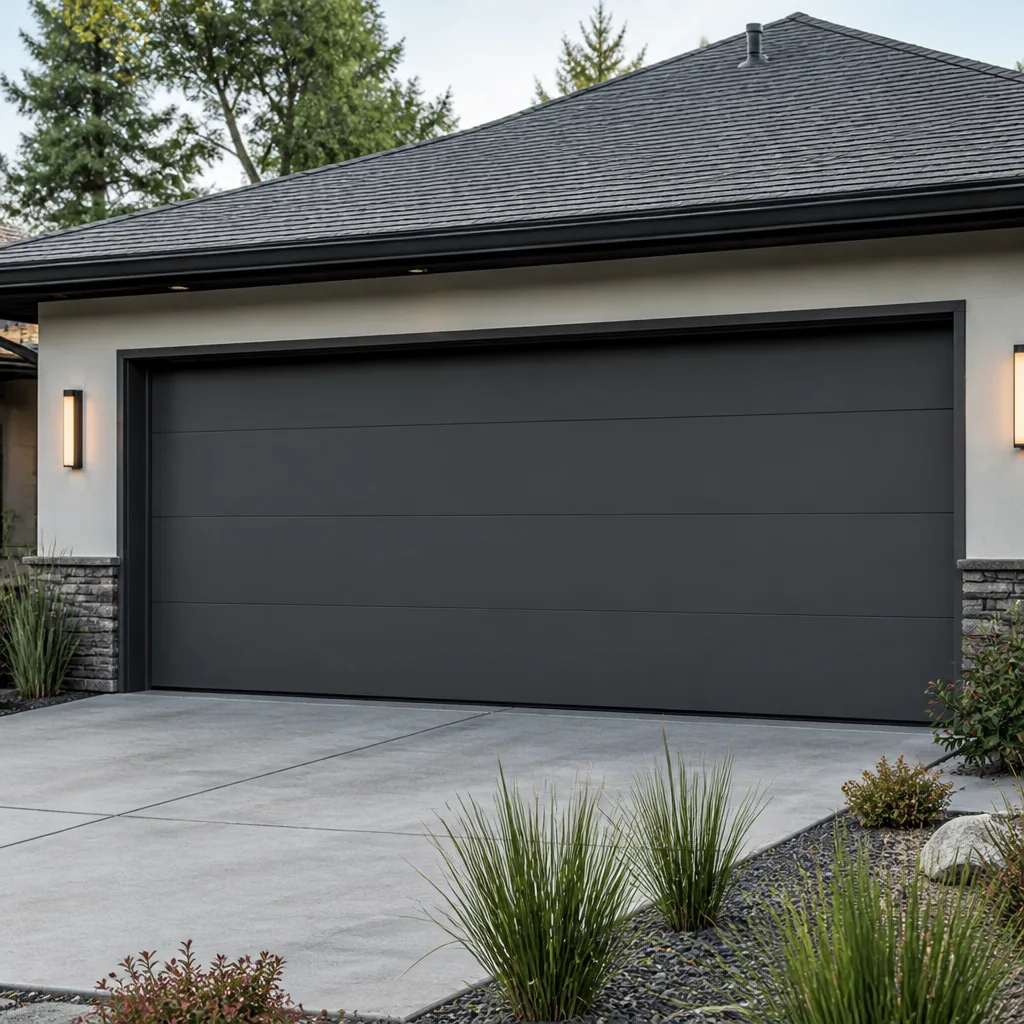 Modern flush
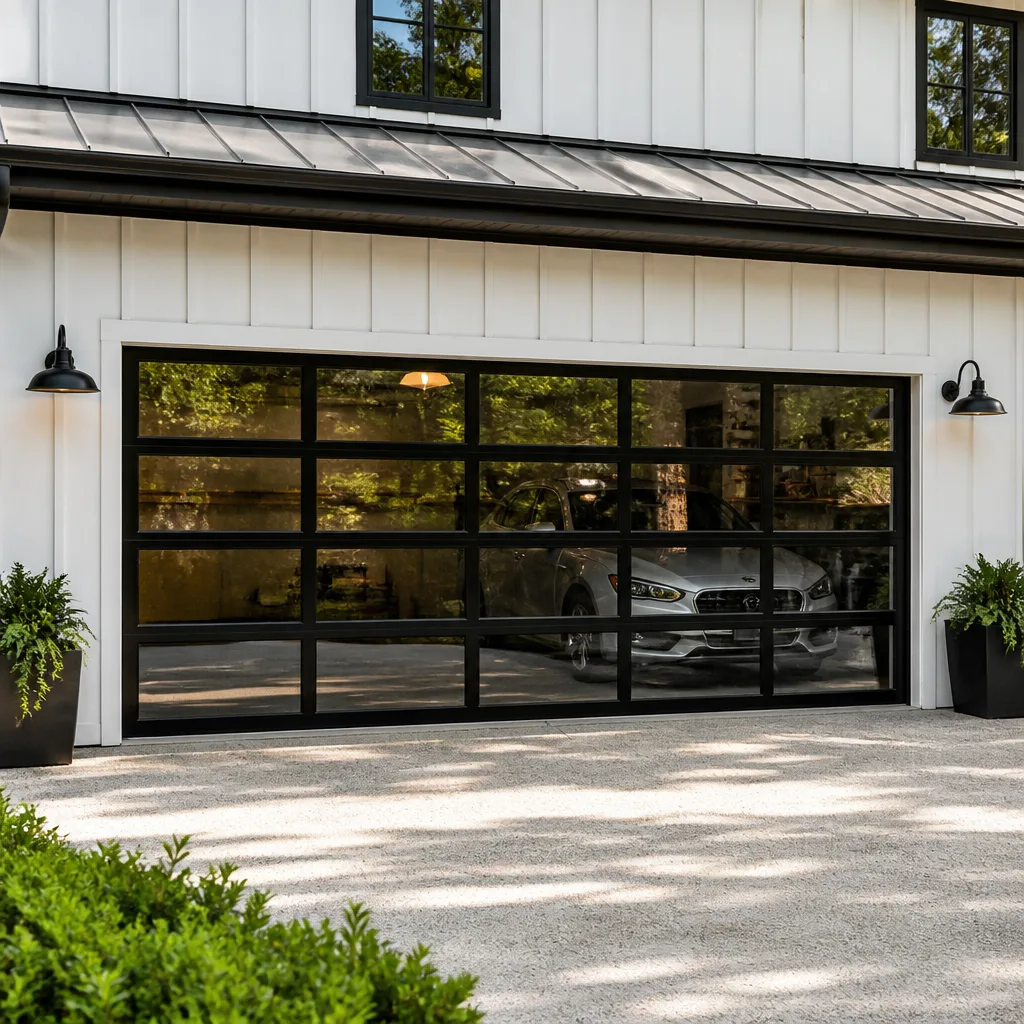 Full-view glass
 LiftMaster openers
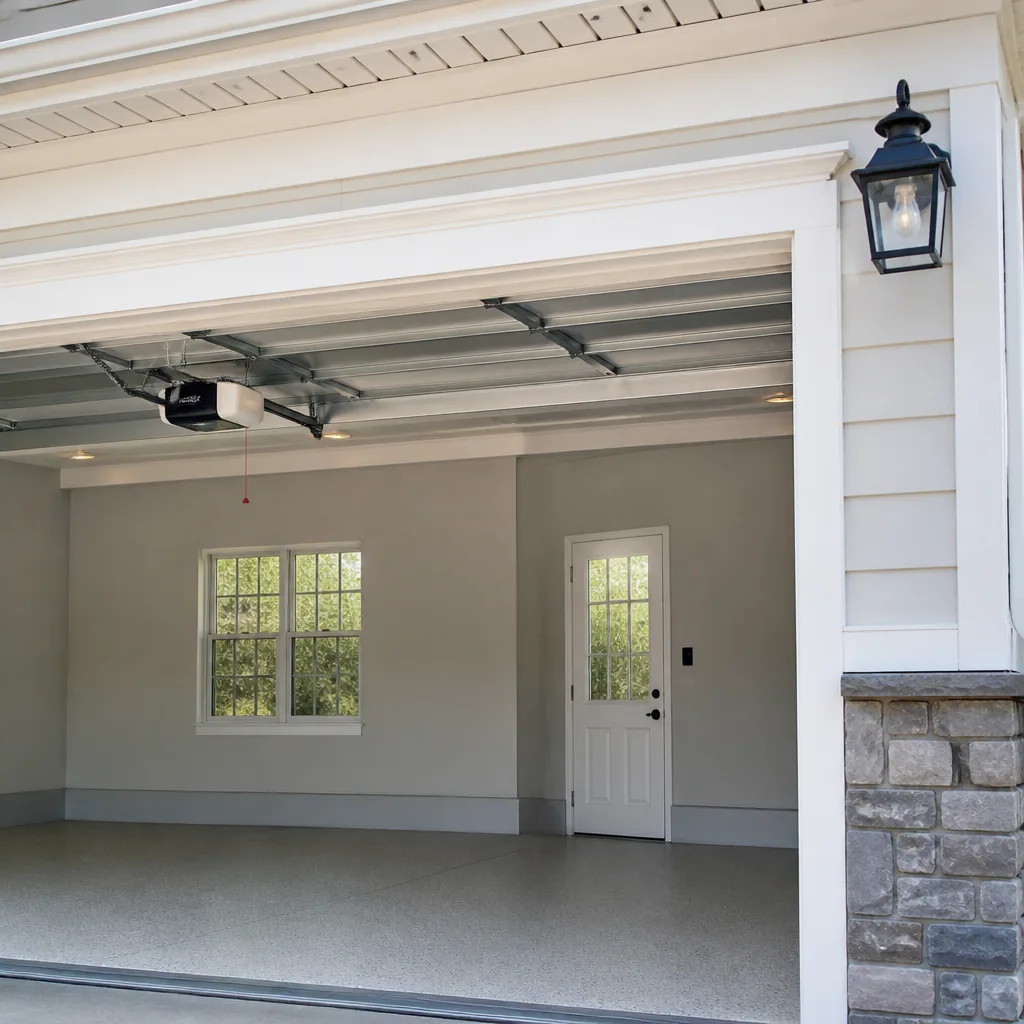 Chamberlain openers
Full 25-point door and opener safety check with every visit - springs, cables, rollers, tracks, and your LiftMaster or Chamberlain opener included
You get a price before we start. It does not change when the pro arrives.
Get your free estimateGarage Door Permits, Codes & Inspections in Ridgewood, NY: What You Need to Know
Here’s the part that surprises people: the four hours a garage door takes to install are the easy part. The paperwork behind it can sit unresolved for years without anyone noticing, and then surface at the worst possible moment, when a buyer’s attorney runs a title search and asks a simple question about the work done on your Ridgewood property. NYC’s Department of Buildings rules don’t care that your door looks great and closes quietly. They care whether the work triggered a permit requirement and whether anyone filed it. This guide walks through exactly which garage door projects in Ridgewood need permits, how the city’s zoning shapes what you can even build, what inspectors actually check, and how to keep a future sale from turning into a headache.
Quick Answer
In Ridgewood, NY, a straight like-for-like garage door replacement generally does not require a DOB permit, but work that alters the structure of the opening, changes the door’s size or type, involves an attached garage’s fire separation, or touches the electrical circuit feeding a new opener often does. When a permit is required, the process runs through NYC’s Department of Buildings and usually involves a filing by a licensed professional, an inspection, and a sign-off before the job is considered closed. The single most reliable way to know which side of that line your project falls on is to check with the DOB before the door is ordered, not after.
Styles & brands we work with
- Raised-panel steel
- Carriage house
- Modern flush
- Full-view glass
- LiftMaster openers
- Chamberlain openers
Table of Contents
- Which garage door projects need a NYC DOB permit in Ridgewood?
- What counts as like-for-like replacement, and why it matters
- How Ridgewood zoning (R5, R6 and mixed-use lots) affects your project
- The inspection process: timeline and what inspectors look for
- How unpermitted work shows up at resale
- Fire separation for attached garages: the code most contractors miss
- Openers, electrical work and when a licensed electrician is required
- Common mistakes to avoid
Which garage door projects need a NYC DOB permit in Ridgewood?
NYC’s Department of Buildings draws a functional line: permits are about structural, dimensional and safety-system changes, not about cosmetic swaps. A new door that fits the existing opening, uses the same type of mechanism, and doesn’t change the framing around it is normally treated as a replacement. A door that requires new framing, a wider or taller opening, a changed header, or a switch from one door type to another (say, a sectional to a roll-up) is normally treated as construction work that needs a filing.
It helps to split it into two lists you can actually use:
Situations that generally do NOT require a DOB permit
- Replacing a damaged sectional door with a new door of the same size in the same opening
- Replacing one or both torsion springs, cables, rollers or hinges
- Replacing an opener with a compatible unit wired to the existing circuit
- Replacing worn weatherstripping, bottom seals or trim
- Painting or re-finishing an existing door
Situations that often DO require a permit or a filing
- Changing the size of the garage opening (width or height)
- Altering the framing, header or masonry around the opening
- Converting the garage to another use, or enclosing the opening
- Adding a new garage structure or an addition that includes one
- Work on the fire separation between an attached garage and living space
- Running new electrical circuits for an opener or lighting where none existed
That second list is where Ridgewood homeowners get caught. A two-family house on a narrow block near the Brooklyn border often has an attached or semi-attached garage that was built decades ago with framing that doesn’t match today’s drawings, and a “simple” door swap turns into a reframe once the old door comes down. Our technicians have up to 11 years of experience, and one of the first things we check on a Ridgewood installation is whether the opening is going to be modified at all, because that answer changes the sequence of the job. If the plan is to install a door that changes the opening, the permit conversation happens before the order, not after.
What counts as like-for-like replacement, and why it matters
Like-for-like is the term that decides most garage door permit questions in Ridgewood, and it’s narrower than people assume. It means the new door matches the old one in size, function and rough opening, with no structural change to the building envelope. It does not mean “it looks the same from the street.” A door that’s two inches taller is not like-for-like. A door that changes from a single panel to a sectional is not like-for-like, even if the opening is untouched, because the track and header attachment change.
Here’s how to test your own project:
- Measure the existing opening, then measure the door you’re considering. Any difference in width or height takes you out of like-for-like.
- Note the door type: sectional, roll-up, tilt-up, carriage-style. A change in type is a change in the installation method and usually the framing.
- Look at the track and header. If the new door needs a different mounting point or a new header, it’s structural.
- Check the fuse box or breaker panel for the opener circuit. If the new opener needs a dedicated circuit that isn’t there, that’s electrical work with its own rules.
- If any of the above changed, ask the DOB whether a filing is required before ordering.
Like-for-like replacement is where most Ridgewood homeowners actually live, and that’s good news: it keeps a door replacement fast and simple. But the classification is a judgment call, and it’s worth getting right on paper. A written scope from the contractor that states the new door dimensions and confirms no framing changes gives you a document you can hand to a buyer’s attorney later. We work on what you already have, in the opening you already have, whenever that’s what the job calls for, and we’ll say plainly when it isn’t.
How Ridgewood zoning (R5, R6 and mixed-use lots) affects your project
Ridgewood’s zoning is a patchwork, and that matters because a garage door project isn’t always just a garage door project. R5 and R6 districts allow different building envelopes, and a lot zoned for mixed use has its own rules about what can sit at the street line. On the blocks near the Bushwick border, where residential and commercial uses sit shoulder to shoulder, a garage that faces an alley or a side yard may fall under rules a homeowner never thought about because the garage has been there since before they bought the house.
Three practical consequences for anyone in Ridgewood:
- Non-conforming structures stay non-conforming. If the garage predates current zoning and is legally non-conforming, replacing a door like-for-like usually keeps it that way. Enlarging the opening or the structure can force you to bring the whole thing into compliance, which is a much bigger job.
- Yard and setback rules limit new construction. Adding a garage or extending one in an R5 or R6 lot may run into rear-yard or side-yard requirements that decide whether the project is possible at all.
- Mixed-use lots have separate rules. If the property has a commercial component, the garage door may also need to satisfy use-specific requirements, and that’s a conversation for the DOB and a licensed filing professional.
The honest answer is that zoning review is where a garage door project can stop being a garage door project. We don’t do zoning filings, and we’ll tell you when you need someone who does. What we can do is tell you, from the door side, whether the opening itself is being modified, which is the fact your expeditor or architect will ask for first.
The inspection process: timeline and what inspectors actually look for
When a garage door project needs a permit, the inspection isn’t a formality. It’s a check that the installed door matches what was filed and that the opening, framing and safety components meet the plan. The timeline depends on the filing and the DOB’s schedule, so we won’t invent a number here. What we can tell you is the sequence, because knowing the order keeps the job from stalling.
- File before you build. The permit application goes in with drawings or scope showing the door type, dimensions and any structural work. Nothing should be ordered or installed until the permit is issued.
- Install to the filed scope. If the field conditions force a change, the filing gets amended before the change is made. This is where most delays come from: a door ordered to a dimension that didn’t match the filed plan.
- Schedule the inspection. The inspector reviews the opening, the door, the attachment, the safety features and the fire separation if there’s an attached garage.
- Address any corrections. Minor items are usually straightforward; structural corrections are not, which is why getting the scope right up front saves weeks.
- Get the sign-off. The sign-off is the document that closes the permit and clears the work in the record. Without it, the job stays open on paper even if it’s finished in reality.
What inspectors look for, broadly: that the installed door and hardware match the approved scope, that the opening and header are structurally sound and per plan, that the door operates and reverses properly, that the attachment to the building is secure, and, on attached garages, that the separation between the garage and living space is intact. We’ve seen Ridgewood jobs where everything worked perfectly and the only problem was that the door on the truck wasn’t the door on the drawing. Ordering to the filed dimensions is the unglamorous step that keeps inspections short.
How unpermitted work shows up at resale
An unpermitted garage door installation doesn’t announce itself. It sits quietly in the property record until someone goes looking, and the someone is usually a buyer’s attorney during a title search or a title company reviewing open permits. What they’re looking for is whether work that required a permit has a corresponding sign-off. A door replacement that never needed a permit is invisible and fine. A structural change that did need one and never got it shows up as a gap, and gaps get negotiated.
What remediation can involve, in general terms:
- Retroactive filing. The owner files for the work after the fact, which may require drawings and a professional’s involvement.
- Inspection of the existing work. The city inspects what’s there and determines whether it’s compliant as built.
- Corrections. If the installed work doesn’t meet code or the filing, it gets corrected, which on a garage door can mean redoing the opening.
- Time. The single biggest cost of remediation is usually the calendar, not the work itself. A closing can be delayed by a filing that has to run its course.
We don’t quote remediation costs, and we won’t pretend to know what a title company will ask for in any specific sale. What we can say is that the homeowners who come out of a Ridgewood sale cleanly are the ones who kept documents: the door’s dimensions, whether framing was modified, and any filing or sign-off. Keep the paperwork with the house file. It costs nothing and it answers the first question a buyer’s attorney asks about the garage.
Fire separation for attached garages: the code most contractors miss
Attached and semi-attached garages are common in Ridgewood, especially on the older two- and three-family houses, and that’s where the fire separation requirement lives. The idea is simple: a fire starting in a garage should be slowed from spreading into living space. The wall and ceiling between the garage and the house are built and finished to resist that spread, and the door opening is part of that boundary. When the door, its frame or the surrounding wall gets changed, the separation is affected.
What this means in practice:
- Replacing a sectional door like-for-like in an existing frame normally leaves the separation intact, because the boundary components aren’t being altered.
- Cutting a larger opening, adding a second pedestrian door, changing the header, or removing a wall between garage and house all touch the separation and require a filing.
- Gaps around the frame, a door that doesn’t close flush, or missing weatherstripping can all weaken the boundary even when nothing was structurally modified.
- The specific assembly requirements come from the code in force at the time of the work, which is why the DOB is the right authority to ask, not the contractor.
This is the item general contractors most often miss on Ridgewood houses where the garage is under the house or attached at the side. A garage door specialist who works on these openings every week will spot the separation question immediately, because it decides how the frame gets rebuilt. Our garage door repair work on attached garages in Ridgewood regularly starts with that check before anything is removed. If the boundary has to be opened, the plan changes and the filing changes with it.
Openers, electrical work and when a licensed electrician is required
Openers are their own permit story, and homeowners often conflate the two. Swapping a Chamberlain or Genie opener for a comparable unit on the existing circuit is normally a straightforward replacement with no DOB filing. But a new circuit, a moved outlet, or an opener installed where the garage never had power is electrical work, and electrical work in NYC has its own permit and licensed-electrician requirements. The door and the electrical filing are separate conversations.
A few practical points for Ridgewood homeowners:
- Existing circuit, same opener type: replacement, no filing.
- New circuit or relocated outlet: electrical permit through a licensed electrician, separate from anything the garage door contractor does.
- Smart features: adding cameras, a keypad or an app-connected controller doesn’t change the electrical requirements, but it does mean the opener needs a stable circuit. An opener that reboots or drops its connection is often a wiring issue, not a Wi-Fi issue.
- Safety reverse: whatever the opener, the safety reverse system has to work at the door. That’s a function check, not a permit item, but it’s one inspectors and technicians both test.
When an opener problem is really an electrical problem, we say so and leave the wiring to a licensed electrician. When it’s the opener itself, our garage door opener repair service handles the brands you already have, from older Craftsman units to newer LiftMaster and Chamberlain MyQ systems, without trying to sell you a system you didn’t ask for.
Common Mistakes to Avoid
- Assuming any replacement is automatically permit-free. Like-for-like is a narrow standard. Measure the new door against the old opening before you assume you’re in the clear, especially in the older Ridgewood houses where the opening and the door don’t match conventional sizes.
- Ordering the door before confirming the scope. The door on the truck has to match the door on the filing or the scope document. A custom-size door ordered against the wrong measurement is expensive to fix and impossible to return.
- Letting a door swap become a framing job without a pause. The moment the old door comes out and the header is questioned, the project has changed. That’s the point to stop and check with the DOB, not a week later.
- Ignoring the fire separation on an attached garage. A Ridgewood house with a garage under or beside the living space has a boundary that matters. Modifying the frame without considering it is the most common missed item on these jobs.
- Treating opener wiring as part of the door job. New circuits need a licensed electrician and a separate filing. A garage door contractor handling the door doesn’t cover the electrical permit.
- Throwing away the paperwork. Keep the scope, the door dimensions and any sign-off with the house file. The buyer’s attorney will ask eventually, and the file answers it in a minute.
- Asking a contractor to give a legal opinion. Contractors can tell you what the work involves and whether the opening is being modified. Whether code requires a permit on your specific property is a DOB question, and a filing professional is the right person to answer it formally.
See the difference
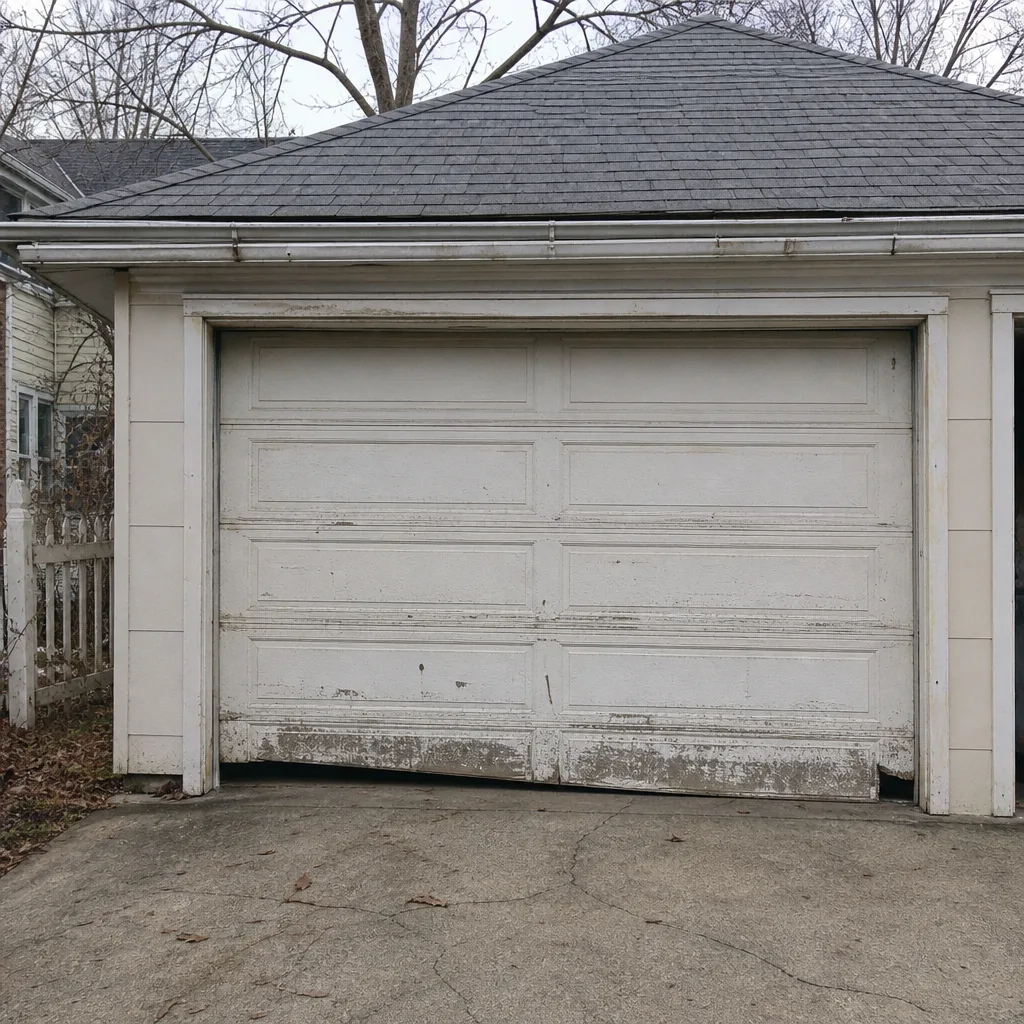 Before
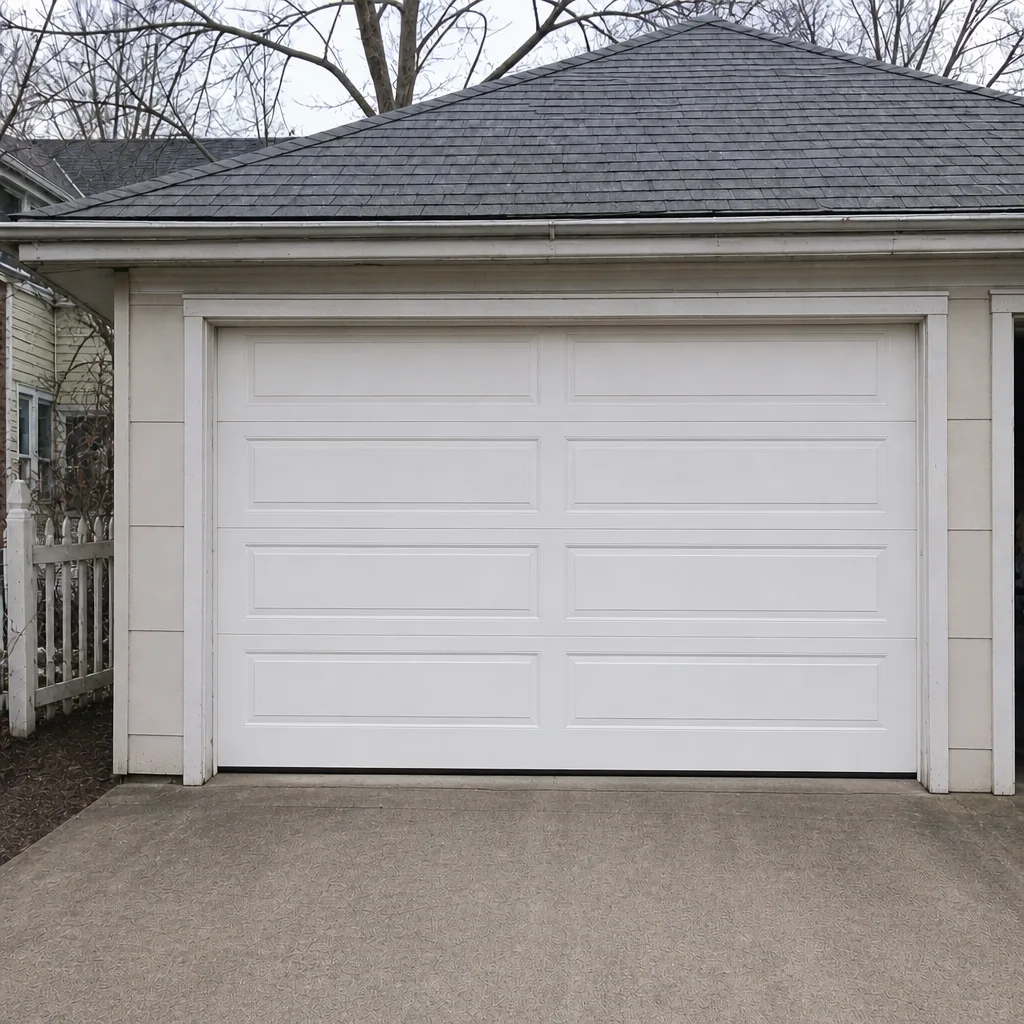 After
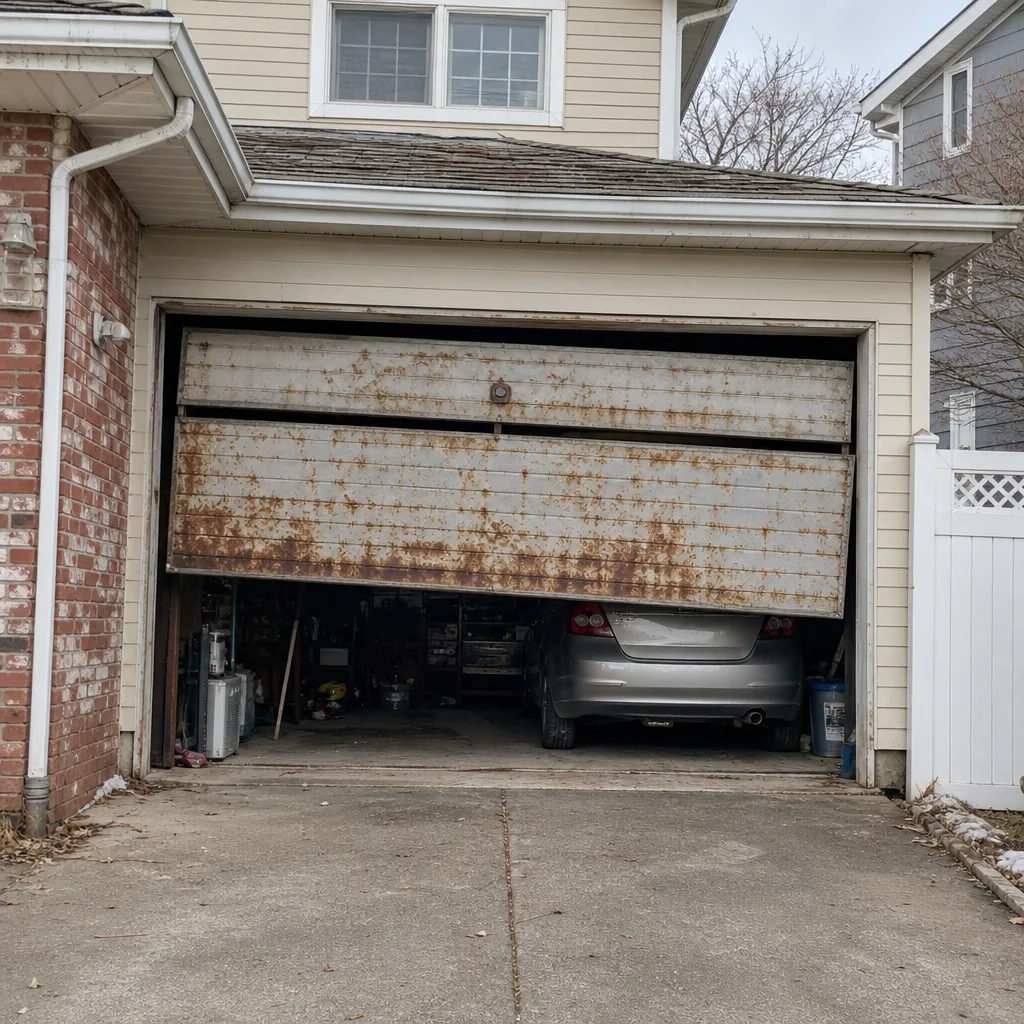 Before
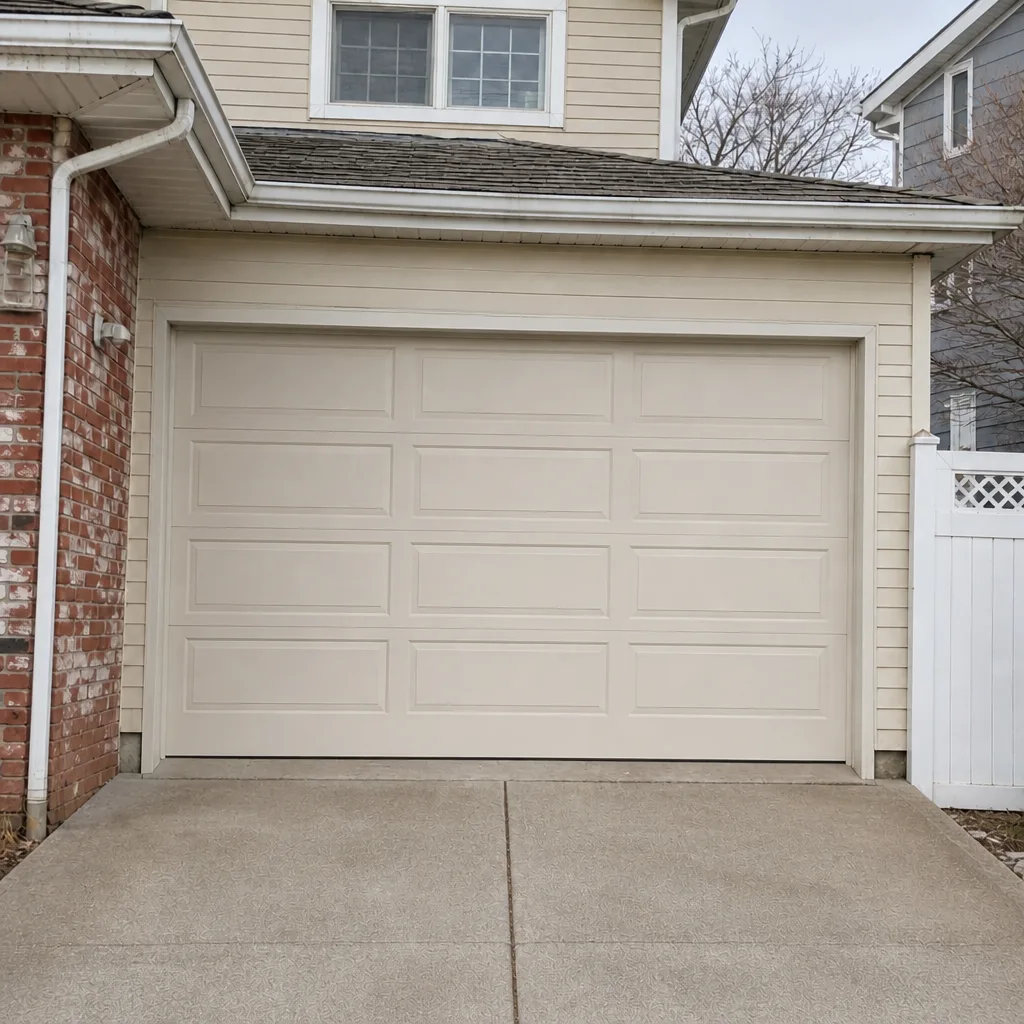 After
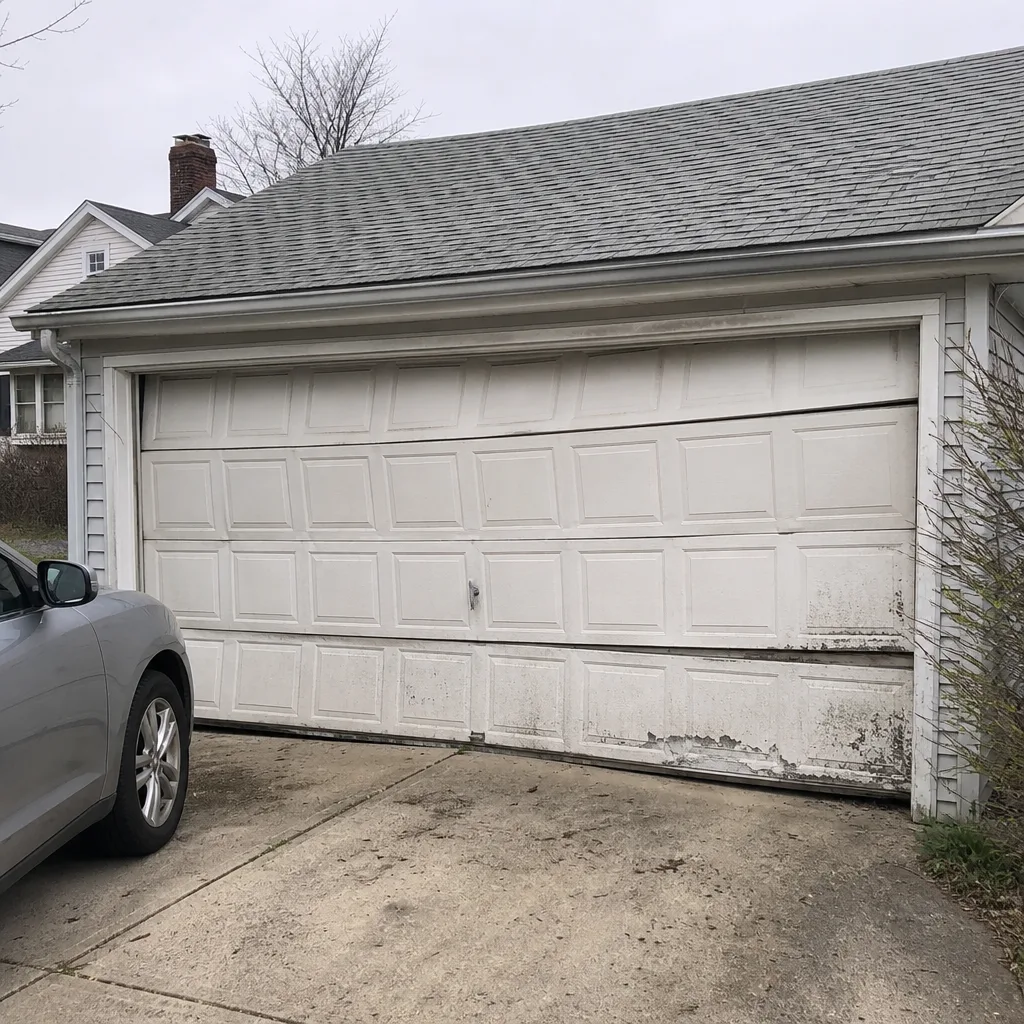 Before
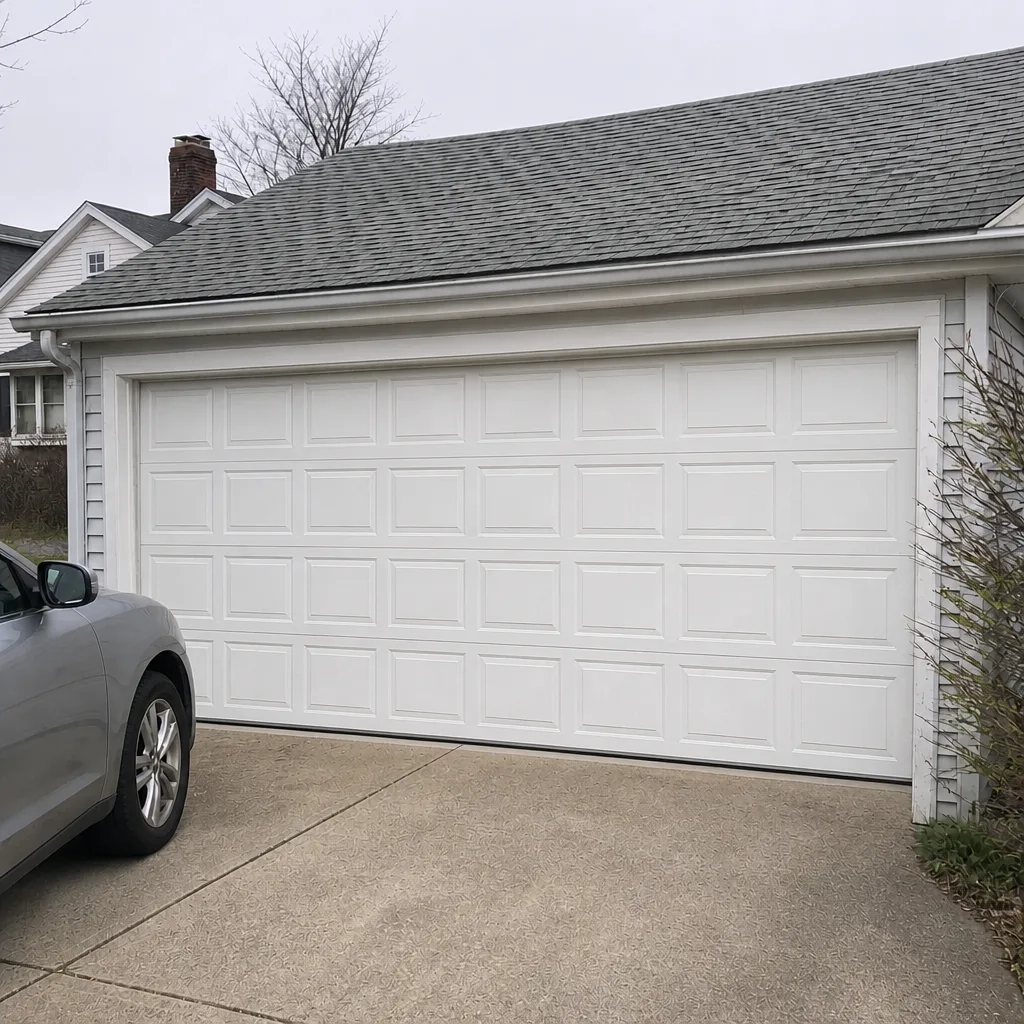 After
When to Call a Professional
A garage door is a heavy, spring-loaded machine attached to your house, and the spring system alone is enough reason to leave the work to a trained technician. The springs and cables under tension can cause serious injury when handled without the right tools and procedures. If you’re seeing a door that won’t close flush, a gap around the frame on an attached garage, a broken spring, an opener that reverses unpredictably, or a framing question that started when the old door came down, it’s time to have the door looked at by someone who works on them daily. The same is true when the door is fine but the paperwork isn’t, and a like-for-like question needs to be answered before the job starts. Ridgewood Garage Door Repair offers free estimates in Ridgewood, and we’re happy to tell you what your project involves and whether it’s likely to trigger a filing. Call (855) 692-0594. We answer 24/7. Fast dispatch from 7am to 7pm, Sunday through Friday. The written estimate sets the price before any work starts.
Frequently Asked Questions
Usually not, if the new door matches the old one in size and type and no framing is altered, because a like-for-like replacement is not treated as structural work. If the opening changes, the door type changes, the frame is modified, or an attached garage’s fire separation is touched, a DOB filing is typically required. Check with the NYC Department of Buildings before ordering so there’s no surprise later. Call (855) 692-0594 for a free estimate on the door work itself.
It depends on the door, the opening and whether any framing work is involved, and the written estimate is what sets the final price. We don’t publish a range that wouldn’t hold across the different Ridgewood housing stock, from small single-car garages to wider openings on the older multi-family houses. What we can promise is a free measure and a written price before anything is ordered. Call (855) 692-0594 for an exact quote.
A DOB filing addresses the structural and safety aspects of the work: the opening, the framing, the attachment, and the fire separation if the garage is attached to the house. It is not a review of how the door looks or which brand you choose. The filing produces an inspection and a sign-off that closes the permit in the property record.
Yes, spring failures are usually handled the same day because both torsion and extension spring work are a core part of what we do, and those jobs are dispatched quickly. Springs operate under heavy tension and should only be handled by a trained technician with the right tools. Call (855) 692-0594. We answer 24/7. Fast dispatch from 7am to 7pm, Sunday through Friday.
It can delay one, because a title search can reveal work that required a permit and never got a sign-off, and a buyer’s attorney will usually want it resolved before closing. The fix isn’t always complicated, but it does take time. Keeping the scope and dimensions from your original installation makes the conversation much shorter.
The local professionals we connect you with are licensed and insured as their state requires, so the person doing the work is properly credentialed for the job. We’ll confirm the details of your specific estimate before any work begins. Call (855) 692-0594 for a free estimate.
The Bottom Line
The permit question on a Ridgewood garage door comes down to one test: is the work like-for-like, or does it change the opening, the structure, the fire separation, or the electrical service? Like-for-like replacement is usually straightforward, and it’s where most homeowners land. Anything that touches the framing, enlarges the opening, alters an attached garage’s fire separation, or adds electrical work needs a DOB filing and a sign-off, and the cost of skipping that step shows up at resale, not at installation. Keep your scope and dimensions in the house file, ask the DOB before you order, and have the door measured by someone who installs them. Ridgewood Garage Door Repair handles the door side of the equation with free estimates and a written price agreed before the work starts. Call (855) 692-0594. We answer 24/7. Fast dispatch from 7am to 7pm, Sunday through Friday.
Written by the team at Ridgewood Garage Door Repair.