
Last updated November 24, 2026
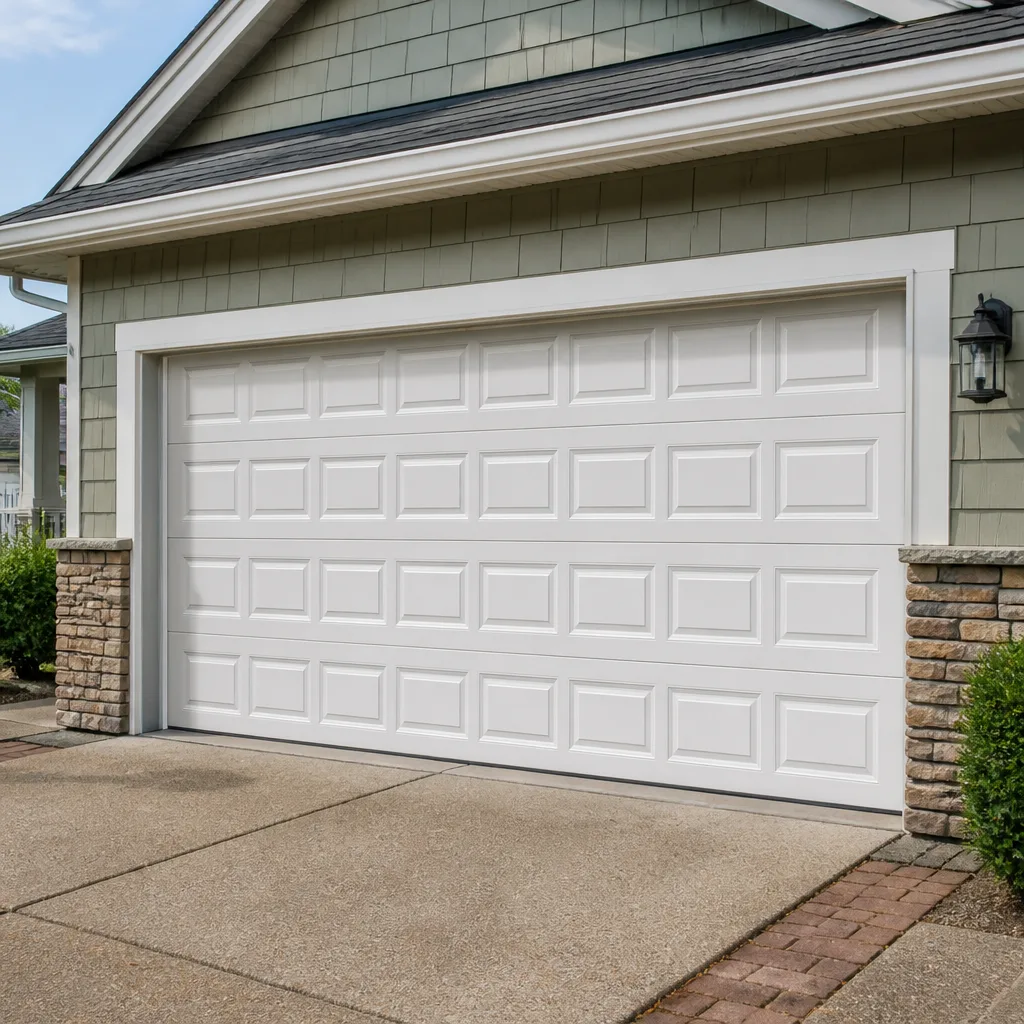 Raised-panel steel
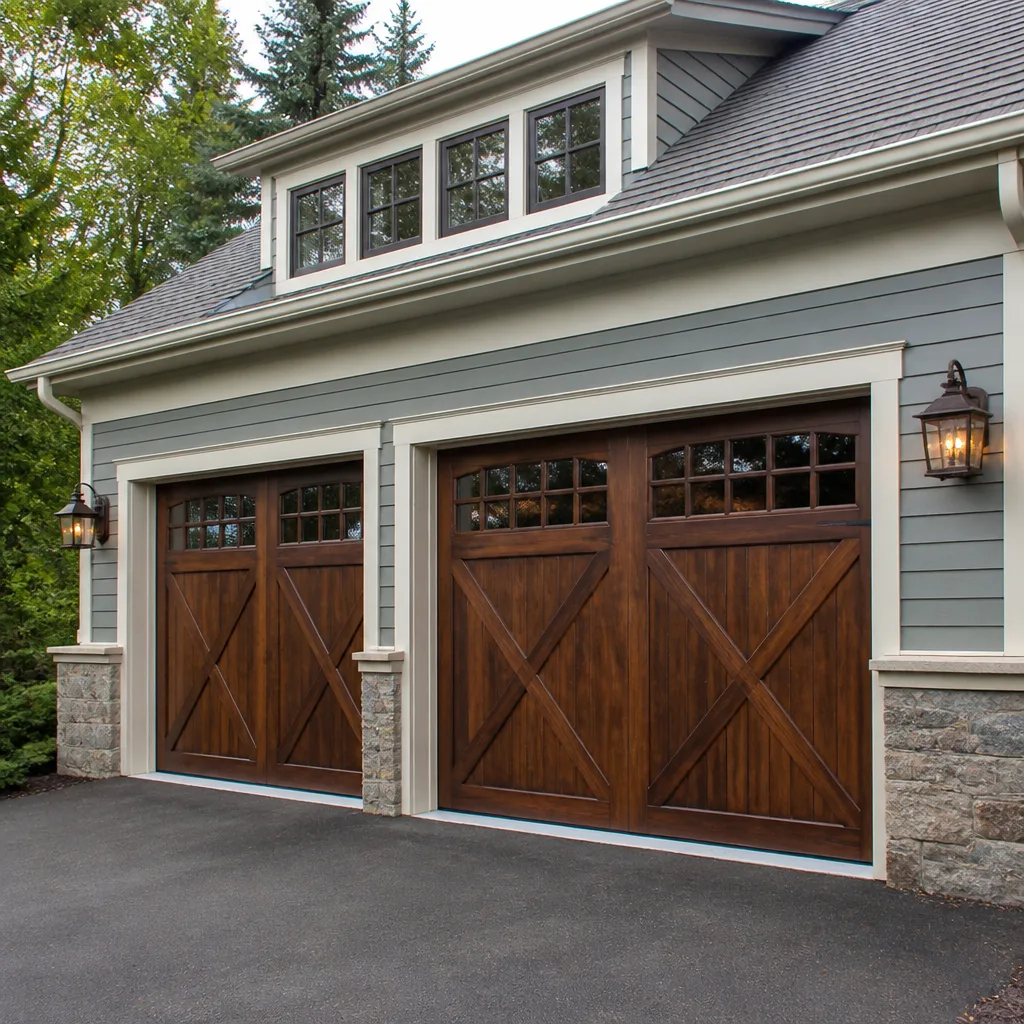 Carriage house
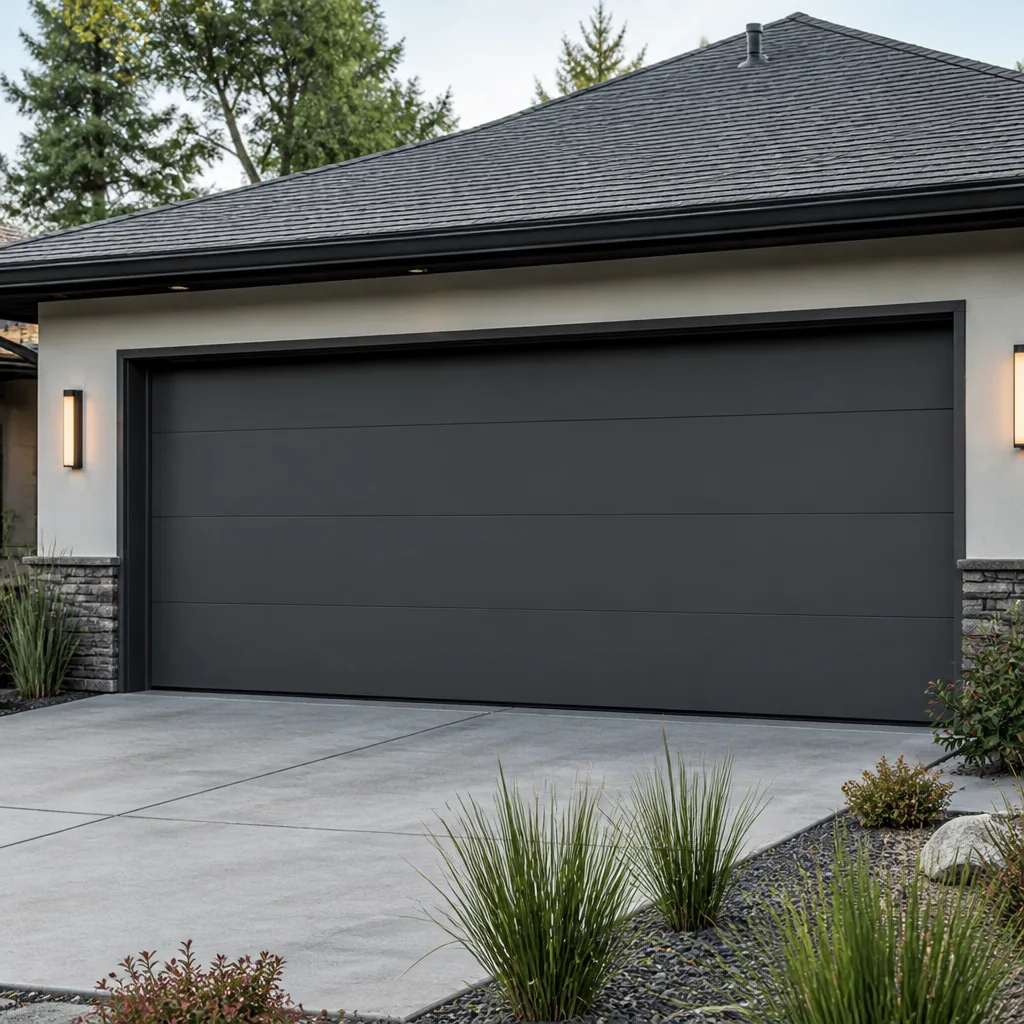 Modern flush
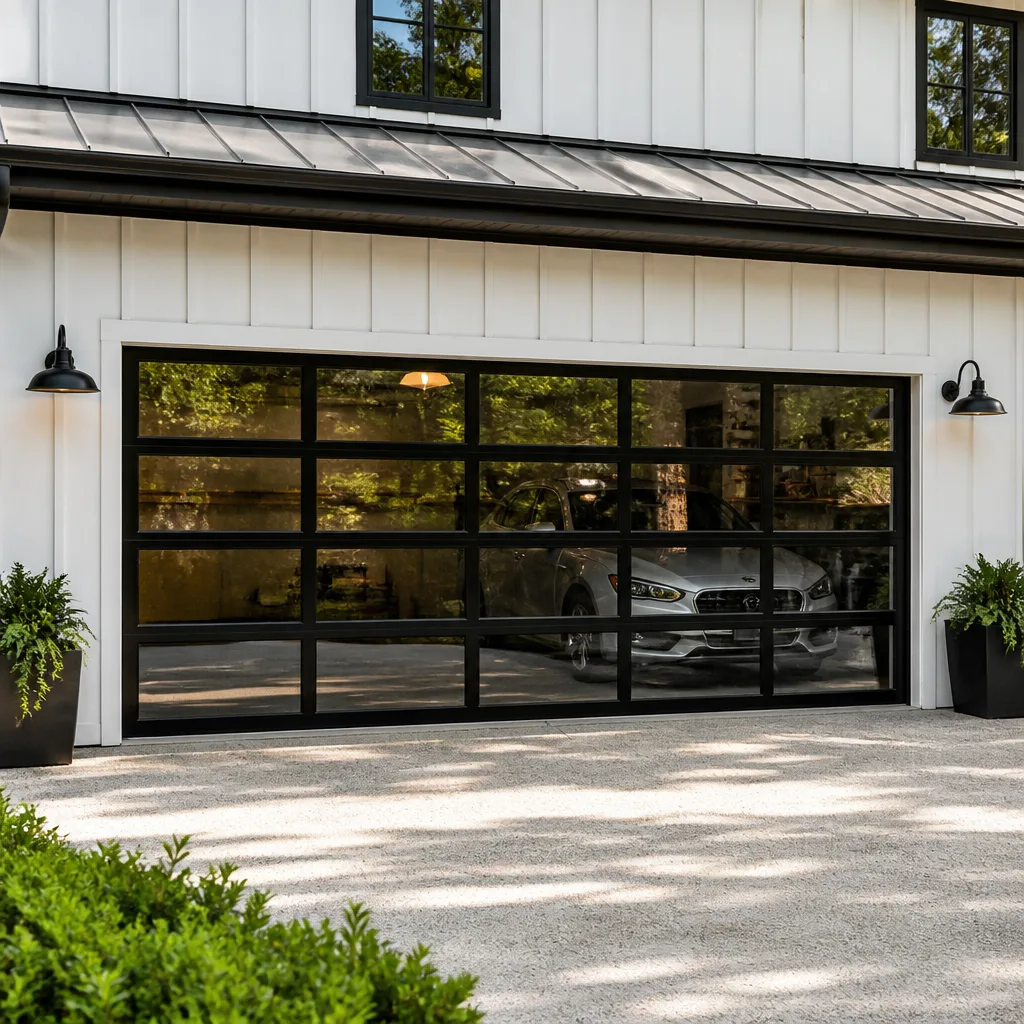 Full-view glass
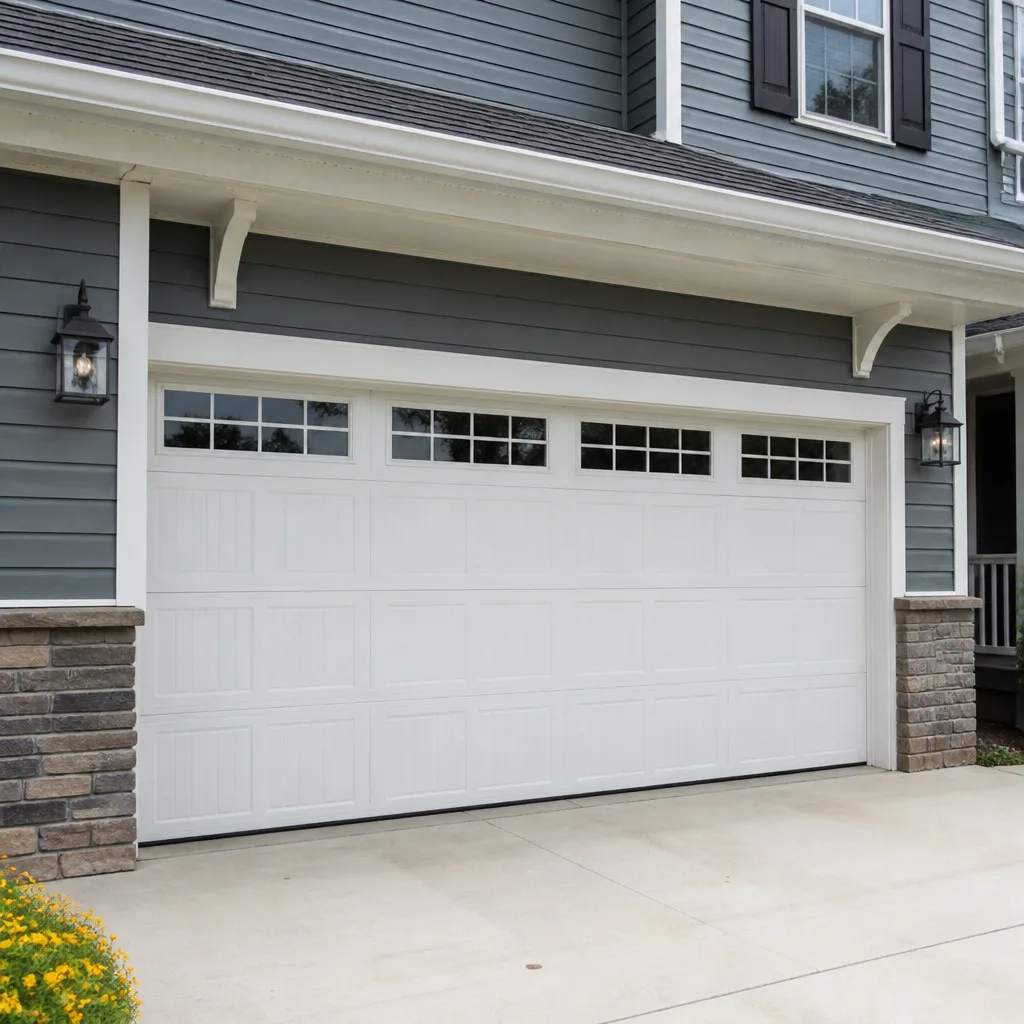 LiftMaster openers
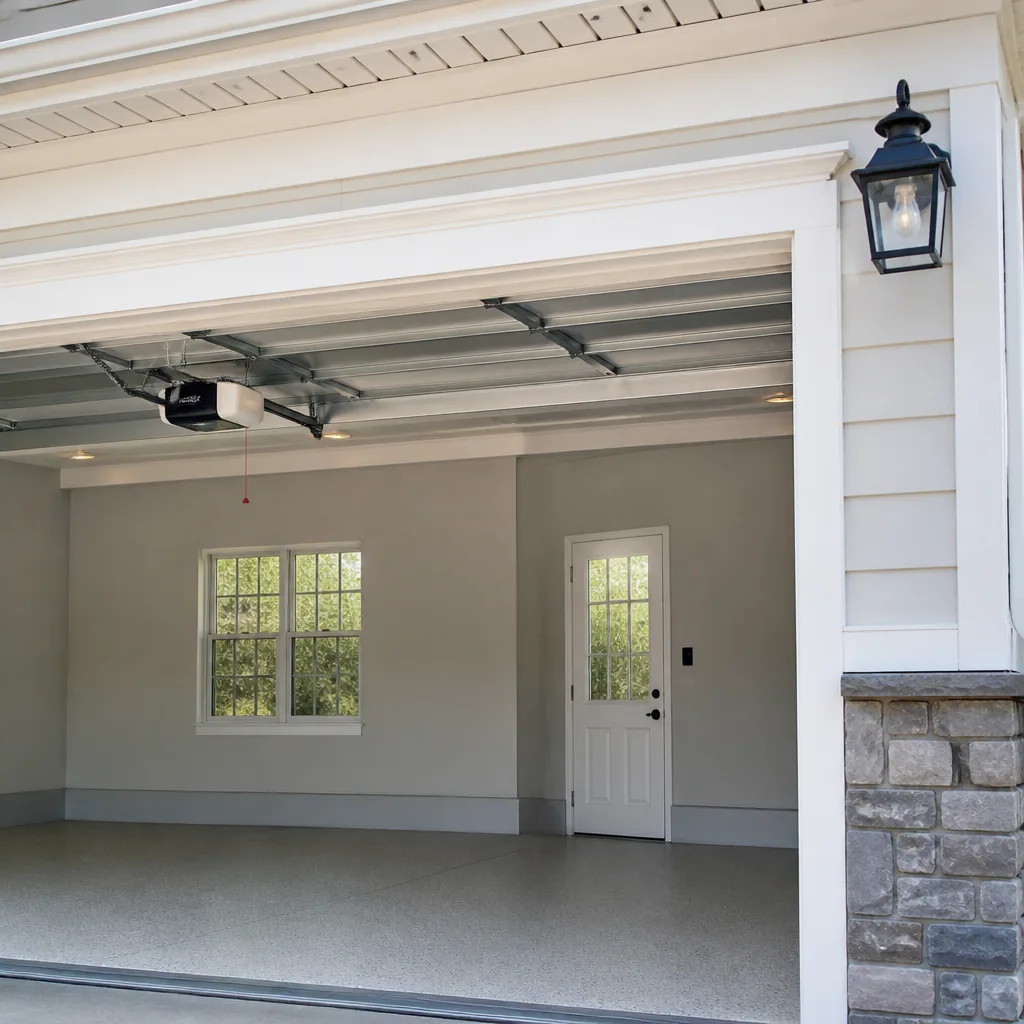 Chamberlain openers
Full 25-point door and opener safety check with every visit - springs, cables, rollers, tracks, and your LiftMaster or Chamberlain opener included
You get a price before we start. It does not change when the pro arrives.
Get your free estimateGarage Door Cost Breakdown: The Ridgewood Homeowner’s Reference for 2026
Most garage door estimates don’t surprise people because the number is high. They surprise people because nobody explained where the money goes. A spring that looks like a bent piece of steel, a panel that looks like stamped metal, a bracket that looks like a bracket – none of it reads as expensive until you’re holding a quote. In Ridgewood, where the housing stock runs old and the streets run narrow, the gap between a national online average and a local written estimate usually comes down to access, labor, and the specific parts your door actually needs. This breakdown walks through 2026 pricing line by line, explains why Ridgewood numbers sit where they sit, and shows you how to read a quote so you know what you’re paying for.
Quick Answer
Garage door repair in Ridgewood in 2026 typically runs $180 to $340 for a single torsion spring replacement, $150 to $300 to replace a standard opener, and $350 to $700 for a damaged sectional panel. A full door replacement, including removal of the old door and haul-away, generally lands between $1,300 and $2,800 depending on material and door size. The written estimate is the price – it’s quoted and agreed before any work begins.
Styles & brands we work with
- Raised-panel steel
- Carriage house
- Modern flush
- Full-view glass
- LiftMaster openers
- Chamberlain openers
Table of Contents
- Why garage door work costs more in Ridgewood than the national average
- Line-item cost ranges for the most common jobs
- Spring replacement: one spring or a pair, and what that does to the price
- Opener replacement costs and brand differences
- Panel replacement versus a whole new door
- Repair or replace? The break-even math at different door ages
- How to read a quote: what a reasonable parts margin looks like
- Brand-by-brand parts cost variation
Why Garage Door Work Costs More in Ridgewood Than the National Average
National cost averages are built on national conditions: wide suburban driveways, easy parking, doors that open straight to a curb, and single-family homes where a technician can back a vehicle right up to the opening. Ridgewood doesn’t always cooperate with that picture.
The biggest driver isn’t labor rate. It’s time. A standard spring swap is a 30-minute job in an open driveway. In Ridgewood, plenty of homes have detached garages at the end of a shared alley, narrow side lots, or driveway approaches that a full-size vehicle can’t block without inconveniencing a neighbor. Every minute spent positioning, carrying tools, and hauling a door out is a minute you’re paying for.
Three things push Ridgewood costs above the typical national estimate:
- Alley and rear-access installs. A door replacement on a detached garage reached through a shared drive takes longer to stage. Old door removal, new door delivery, and debris hauling all need a plan that a front-facing driveway job doesn’t.
- Older housing stock. Doors on homes built decades ago often have non-standard jamb dimensions, older track, or an opener mounted to framing that has shifted. That’s not a markup – it’s additional adjustment time to make a new door hang true.
- Dense street parking. When a service vehicle can’t sit directly in front of the job, setup and breakdown stretch. This shows up as a modest line in a fair quote, not a hidden fee.
None of this is an excuse for a padded invoice. It’s context. A Ridgewood quote that’s $200 higher than a national online estimate is often a quote that reflects a two-hour job versus a one-hour job, and the price difference usually traces to something you can see in your own driveway. If a written estimate doesn’t make sense to you, ask what specifically is taking extra time. A good technician can point to it.
Line-Item Cost Ranges for the Most Common Jobs
These are typical estimates for Ridgewood residential work in 2026. Every job is quoted individually – a written estimate is what sets your final price, and we agree it with you before any work starts.
| Job | Typical range | Notes |
|---|---|---|
| Single torsion spring replacement | $180 – $340 | Price for one spring. A matched pair replaced together is roughly double. |
| Extension spring replacement (pair) | $160 – $300 | Both springs replaced together as a set. |
| Standard opener replacement (chain or belt) | $150 – $300 | Replace an existing unit of similar type. |
| Smart opener replacement (Wi-Fi, app-connected) | $250 – $450 | Higher unit cost plus setup and pairing time. |
| Single sectional panel replacement | $350 – $700 | Depends on panel size, insulation, and whether it’s a matched profile. |
| Roller and hinge replacement (full door) | $120 – $250 | Common maintenance item on worn doors. |
| Cable replacement (full set) | $150 – $300 | Cables and drums are replaced together as a matched pair. |
| Full door replacement (single-car) | $1,300 – $2,200 | Includes removal and haul-away of the existing door. |
| Full door replacement (two-car) | $1,700 – $2,800 | Larger openings; heavier door; longer install. |
Two things to keep in mind reading that table. First, ranges cover standard residential work on a door that’s in reasonable structural shape. Second, the low end of a range usually indicates a straightforward job with easy access; the high end reflects access complications, older hardware, or a door that needs more adjustment than expected. The written estimate is where your specific job lands, and it doesn’t change after the fact unless you approve additional work. Call (855) 692-0594 for a free estimate.
Spring Replacement: One Spring or a Pair, and What That Does to the Price
Springs do the actual work of lifting your door. The opener just guides it. When a spring breaks, the door becomes heavy and dangerous, and spring replacement is the single most common repair we see across Ridgewood.
Here’s the part people get wrong when comparing quotes. Our spring prices are per spring, not per pair. Many doors – especially two-car doors – run a matched pair of torsion springs so each takes half the load. If both springs are the same age and one has failed, replacing only the survivor means the second failure is usually not far behind, and you pay for a second service call. Replacing them as a matched pair costs roughly twice the single-spring range, and it’s often the better long-term decision.
A few specifics worth understanding:
- Torsion springs mount above the door on a shaft and are the most common setup on modern sectional doors. They’re calibrated to the door’s weight, which means the right spring for your door is specific to your door.
- Extension springs mount along the horizontal tracks and are common on older Ridgewood doors. They’re replaced as a pair, and they need safety containment because a failed extension spring releases stored energy across the track.
- Spring cycle life matters when comparing prices. A cheaper spring with a shorter cycle life is cheaper for a reason. Ask what the cycle rating is on the spring being quoted.
We’ll say the safety part plainly: garage door springs are under extreme tension and cannot be safely handled with basic hand tools. A torsion spring can seriously injure anyone working on it without the right winding bars and the training to use them. This is not a DIY repair, no matter how many online videos make it look achievable. If your spring has failed, garage door repair is the call. Our technicians have up to 11 years of experience with both torsion and extension systems, and we answer 24/7 at (855) 692-0594. Fast dispatch from 7am to 7pm, Sunday through Friday.
Opener Replacement Costs and Brand Differences
An opener replacement in Ridgewood typically runs $150 to $300 for a standard chain or belt drive replacing an existing unit, and $250 to $450 for a smart or Wi-Fi-connected unit. The unit cost is the smaller variable; setup and pairing time is the larger one, especially on a smart opener that has to connect to a home network and be paired with a car or phone.
Brand matters less on the repair side than homeowners expect. If your Craftsman opener from an older install has failed, the fix is often a logic board or gear assembly rather than a whole new unit, and that diagnosis is the difference between a $150 repair and a $300 replacement. A Genie unit with a stripped gear is similarly fixable. A LiftMaster or Chamberlain unit with MyQ connectivity can usually be paired to a replacement or repaired in place – the smart features don’t force a replacement if the motor and board are sound.
What to consider when deciding between repair and replacement:
- Age of the unit. If the opener is at the end of its typical service life and the repair costs more than half of a replacement, replacing tends to make more sense.
- Availability of parts. Legacy units still get parts, but not indefinitely. If a part is on backorder with no timeline, replacement is often the cleaner path.
- Safety features. Older units without a working safety reversal system need attention regardless of whether the motor runs. We check that as part of any opener visit.
- Smart-home needs. If you want app control or voice assistant integration and your current unit can’t support it, a smart opener solves both problems at once.
We work on LiftMaster, Chamberlain, Genie, Craftsman, and Raynor openers, and we diagnose the system you actually have rather than steering you to whatever a stockroom happens to carry. If you want help figuring out whether your opener can be repaired or should be replaced, garage door opener repair is where to start. Call (855) 692-0594 – the estimate is free.
Panel Replacement Versus a Whole New Door
A single damaged panel usually costs $350 to $700 to replace, while a full door replacement runs $1,300 to $2,800 depending on size. Whether to repair or replace depends on how much of the door is damaged, how old the door is, and whether a matching panel can be sourced.
Panel replacement works well when the damage is localized – a dent from a car bumper, a panel that’s cracked, a section that’s rusted or bent from a failed track. The advantage is that it keeps the rest of the door, tracks, and hardware in place, and it usually takes less time than a full install.
The complication is matching. Panel profiles change over time. A Clopay panel installed 15 years ago may not have a current-production match, and a Wayne Dalton door’s panel dimensions can differ from what’s stocked now. When a match can’t be sourced, the options are:
- Replace the damaged panel with the closest available match and accept a slight visual difference.
- Replace the full door with a current model, which guarantees a matched appearance and a fresh start on the hardware.
- Live with the damaged panel if it’s structurally sound and only cosmetic, though this reduces curb appeal and can let water into the door’s interior.
A full door replacement makes the most sense when the door is near the end of its life, when multiple panels are failing, or when the tracks and hardware are also at the end of their service. A single-panel repair makes sense when the door is otherwise in good shape and a match is available. garage door installation covers what the full replacement process looks like from measure to final adjustment, and that’s the route to go if you’re weighing a whole new door. Call (855) 692-0594 to talk it through before you commit.
Repair or Replace? The Break-Even Math at Different Door Ages
Most homeowners want a simple answer to repair versus replace. The honest one is that it depends on the door’s age, condition, and the ratio of repair cost to replacement cost. Here’s the framework we use.
Under 10 years old, sound structure: Repair. Unless the damage is severe, a door in this age range has most of its service life ahead of it, and a repair is typically the better use of money. Even two repairs over a few years usually cost less than a full replacement.
10 to 15 years old, one issue at a time: The decision is closer. If the repair costs less than roughly a third of a replacement, repair is usually the right call. If the repair is approaching half of a replacement cost and the door is showing other wear, replacement starts to make financial sense – not because the repair is overpriced, but because you’re likely to face another repair soon.
Over 15 years old, multiple failing components: Replacement is usually the better value. Once a door needs springs, cables, rollers, and a panel within a short window, the total repair cost can exceed replacement, and you still have an aging door at the end of it.
Three questions worth asking before you decide:
- What’s the repair-to-replacement ratio? If the repair quote is over 40 percent of a replacement quote on a door past its mid-life, replacement usually wins on long-term value.
- Is the door structurally sound? If the tracks are bent or the framing has shifted, repairs won’t fix the underlying problem and replacement addresses both.
- How long do you plan to stay? A replacement is a capital improvement with decades of service; a repair extends the current door’s life by a few years. Both are reasonable depending on your timeline.
This is exactly the kind of math a good technician walks you through on-site rather than emailing you a number. We’d rather show you the comparison than have you guess. Call (855) 692-0594 for a free estimate in Ridgewood.
How to Read a Quote: What a Reasonable Parts Margin Looks Like
Most homeowners can’t tell whether a quote is fair because they’ve never seen the underlying parts cost. That’s a reasonable thing to be unsure about. Here’s how to read a quote so you can judge it.
Every quote should show three things separated:
- Parts – the spring, opener, panel, or door unit, identified by type and, where possible, by model or specification.
- Labor – the time to install, adjust, and test, plus any haul-away for removed materials.
- Any access or logistics line – if the job includes an alley-approach install or extended setup, it should be named, not hidden in labor.
On margin: for a small consumable part, markup is higher as a percentage because the dollar amount is small. For a door unit or an opener, a reasonable retail markup is modest, and you should be able to see the unit cost identified. If a quote gives you a single number with no breakdown, ask for the itemization before you sign anything. A specialist who understands the parts they’re quoting will happily explain them. One who can’t or won’t is worth a second opinion.
Red flags to watch for:
- A quote that bundles a spring replacement with parts you didn’t ask for and can’t identify.
- A number that changes significantly between the phone estimate and the on-site written quote, without a stated reason.
- No written estimate at all, or an estimate with no parts and labor separation.
- A “diagnostic fee” or service charge that isn’t clearly disclosed upfront. Our estimates are free.
- Pressure to decide on the spot. A reputable quote holds while you think about it.
Read the quote, ask what each line is for, and don’t sign anything you don’t understand. That’s the whole method.
Brand-by-Brand Parts Cost Variation
Not all garage door panels and openers cost the same to source. The brands we service most – LiftMaster, Chamberlain, Genie, Clopay, Amarr, Wayne Dalton, Craftsman, and Raynor – vary in part cost for reasons that make sense once you understand them.
Clopay. Panels across Clopay’s lines differ in insulation, profile, and steel gauge, and the higher-end lines cost more per panel than the entry lines. A replacement panel from a mid-range Clopay line typically costs more than an equivalent from a budget line because of the heavier build and finish options.
Amarr. Amarr’s larger panel profiles and heavier-gauge options cost more to source, but they’re more common on larger doors where that heavier build is a real advantage. Matching an older Amarr panel to current production can be the deciding factor on whether repair is viable.
Wayne Dalton. Wayne Dalton’s panel dimensions and profiles differ from some other brands in ways that can make a direct replacement more or less expensive. A door from a line still in production is straightforward to match. A discontinued line may require a different panel size or a full-door replacement if no match is available.
Craftsman. Craftsman opener parts are widely available across budget and mid-range lines, which keeps repair costs low. Craftsman as a door brand is typically priced toward the budget end.
The takeaway: brand is a factor in the quote, but it’s not the whole story. What matters more is whether your door’s line is current, whether a matching panel exists, and whether the parts needed are in stock somewhere versus backordered. Our technicians work across all eight of those major brands, so the answer to “can this be fixed without replacing the whole door” depends on your actual door, not on what’s convenient to stock.
For a full-scope look at how we approach repair across brands, Ridgewood Garage Door Repair is the place to start. To get a specific answer for your door, call (855) 692-0594.
Common Mistakes to Avoid
- Comparing one spring price to a pair quote without checking. If a quote says “$180 for springs” and it’s for a pair, that’s a different animal from a $180 single-spring quote. Always confirm what quantity is being quoted before you compare.
- Choosing the lowest quote without checking the parts. A spring with a shorter cycle life and a spring with a longer one cost different amounts for a reason. Cheaper parts often cost more over the years the door stays in service.
- Replacing the opener when the springs are the problem. A door that’s heavy to lift is usually a spring issue, not an opener issue. Replacing a healthy opener won’t fix a failing spring, and a new opener on bad springs will wear out faster.
- Skipping the written estimate on a full door replacement. Full installs involve measure, order, delivery, removal, and installation. Get the whole job in writing before any material is ordered.
- Assuming an alley-access install should cost the same as a front-driveway job. It’s more time, and a fair quote will say so. A quote that ignores access and then adds charges later is worse than a quote that names the access issue upfront.
- Signing an estimate with no parts-and-labor breakdown. Itemization is your best defense against an invoice that surprises you.
- Trying a spring or cable repair yourself. Springs and cables are under high tension and can seriously injure anyone handling them without the proper winding equipment. This is a call-a-professional job, full stop.
See the difference
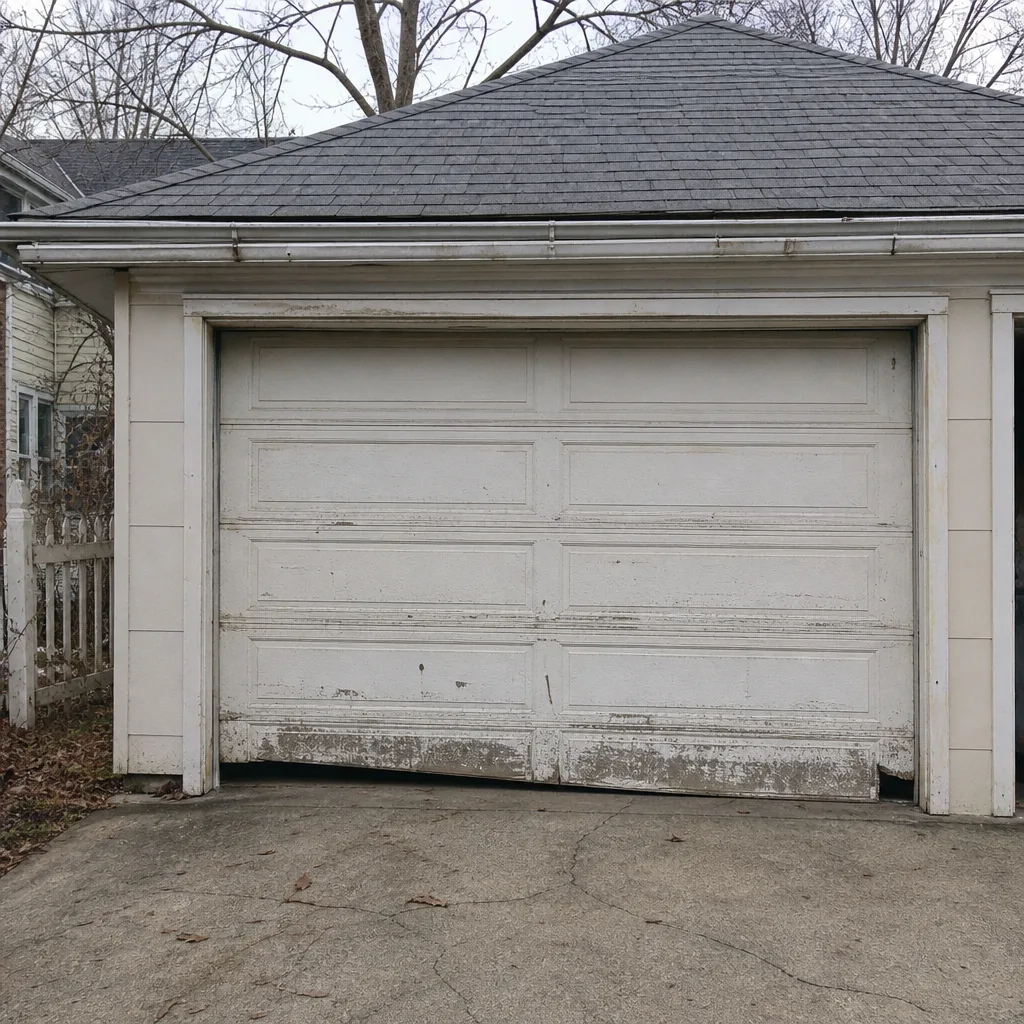 Before
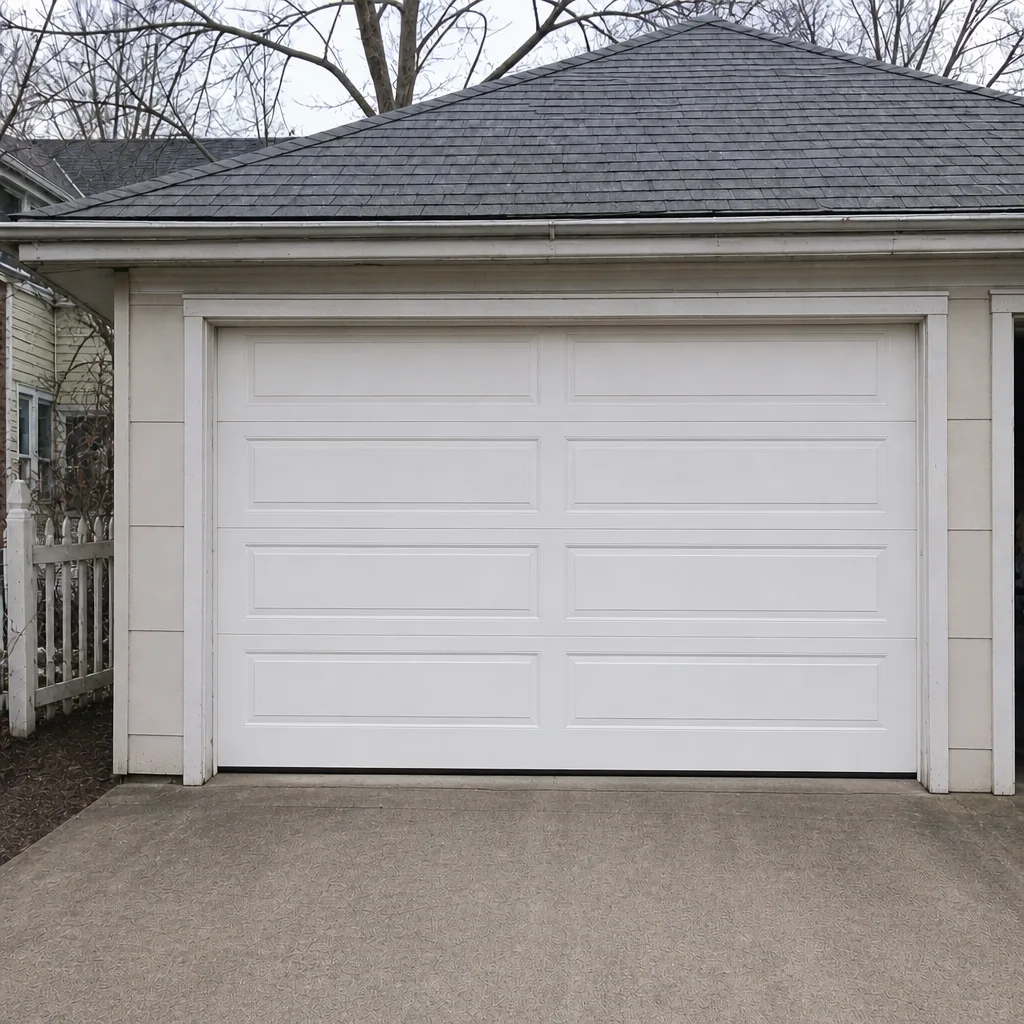 After
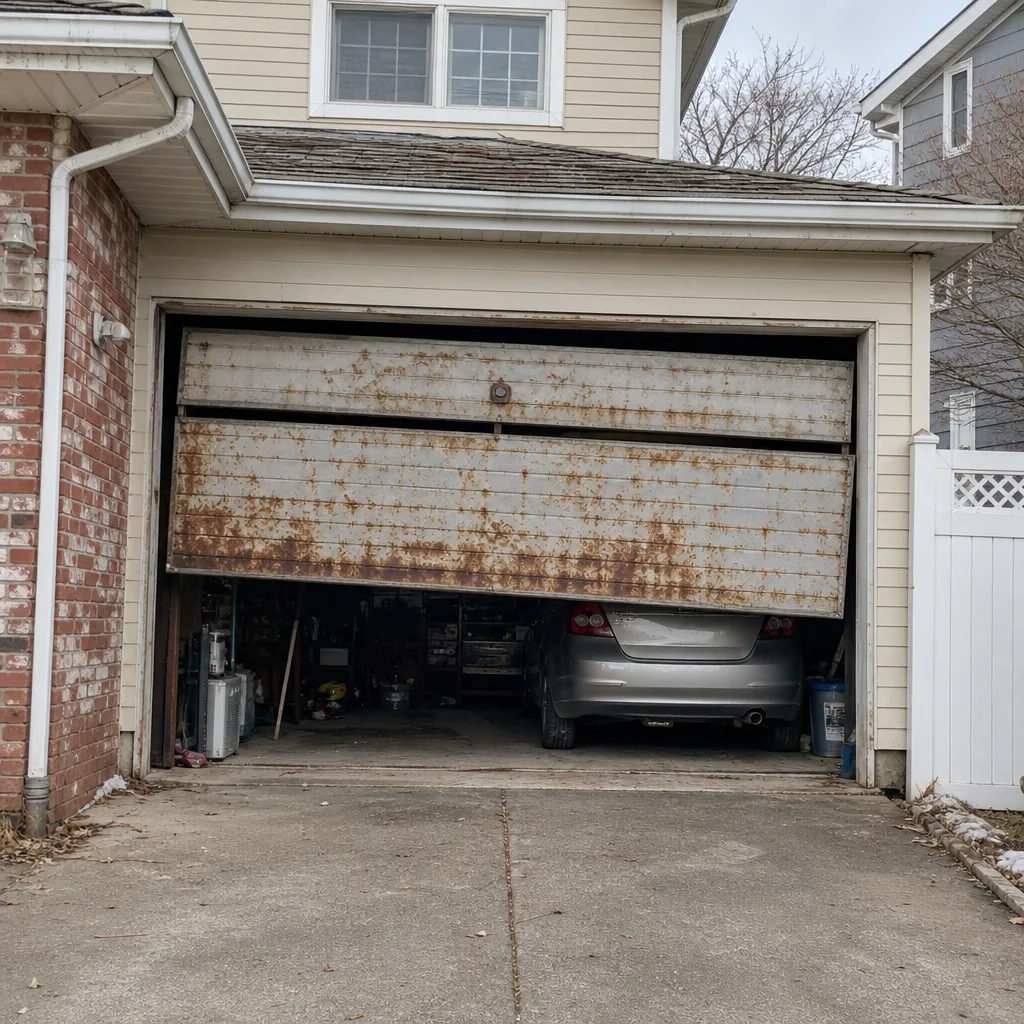 Before
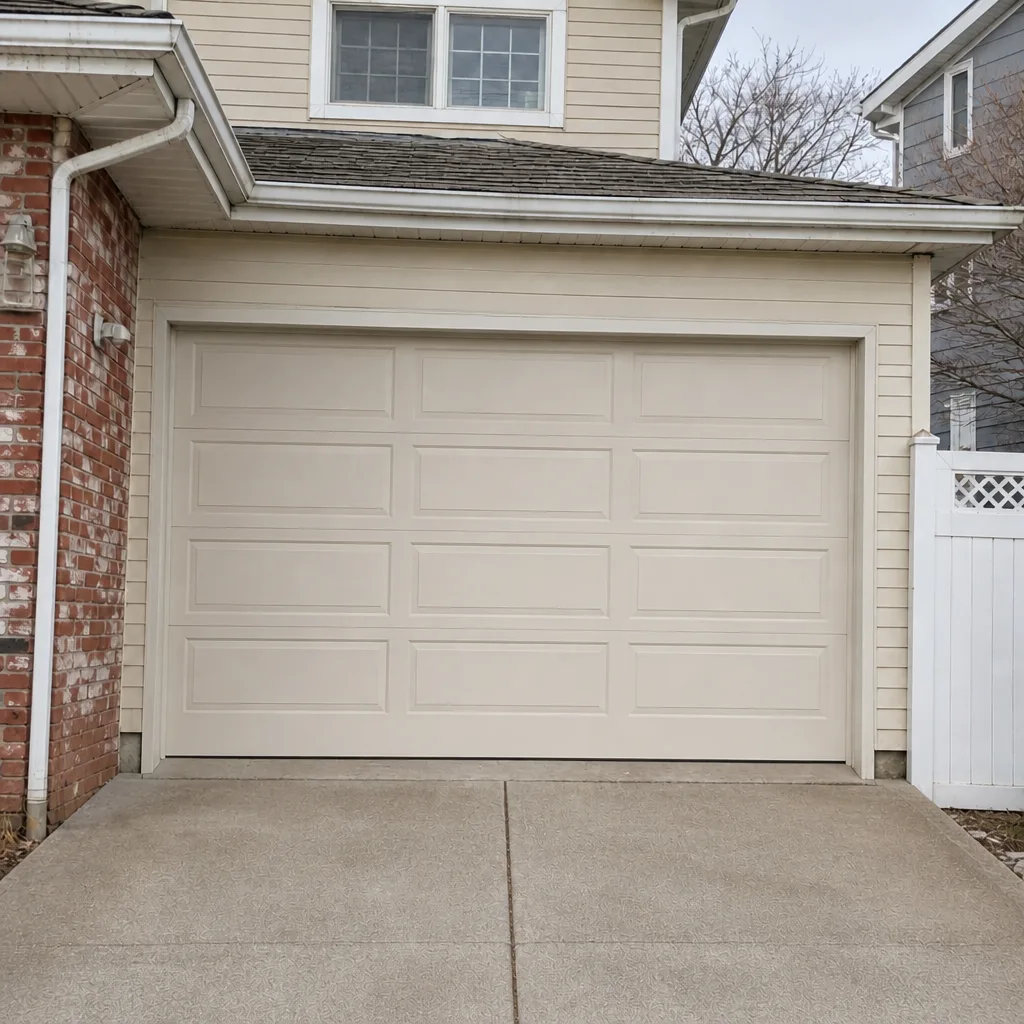 After
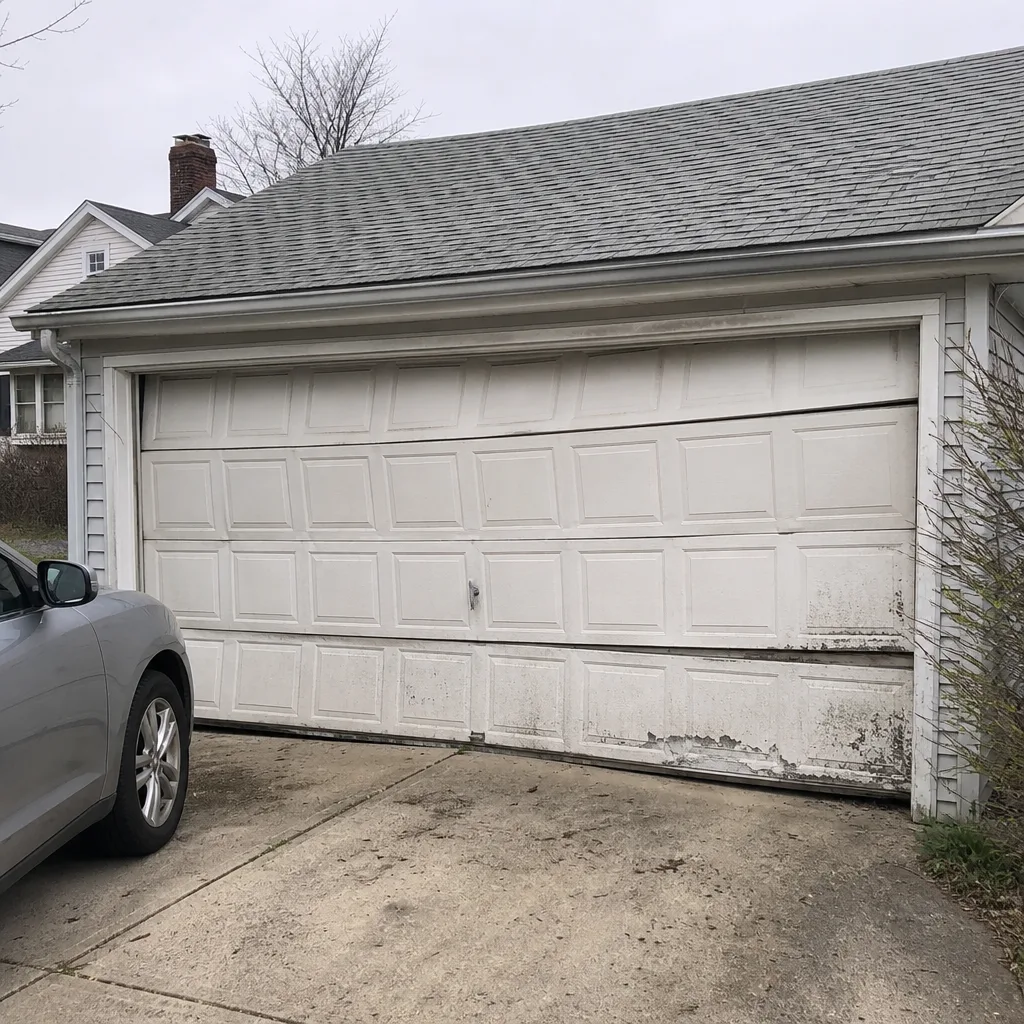 Before
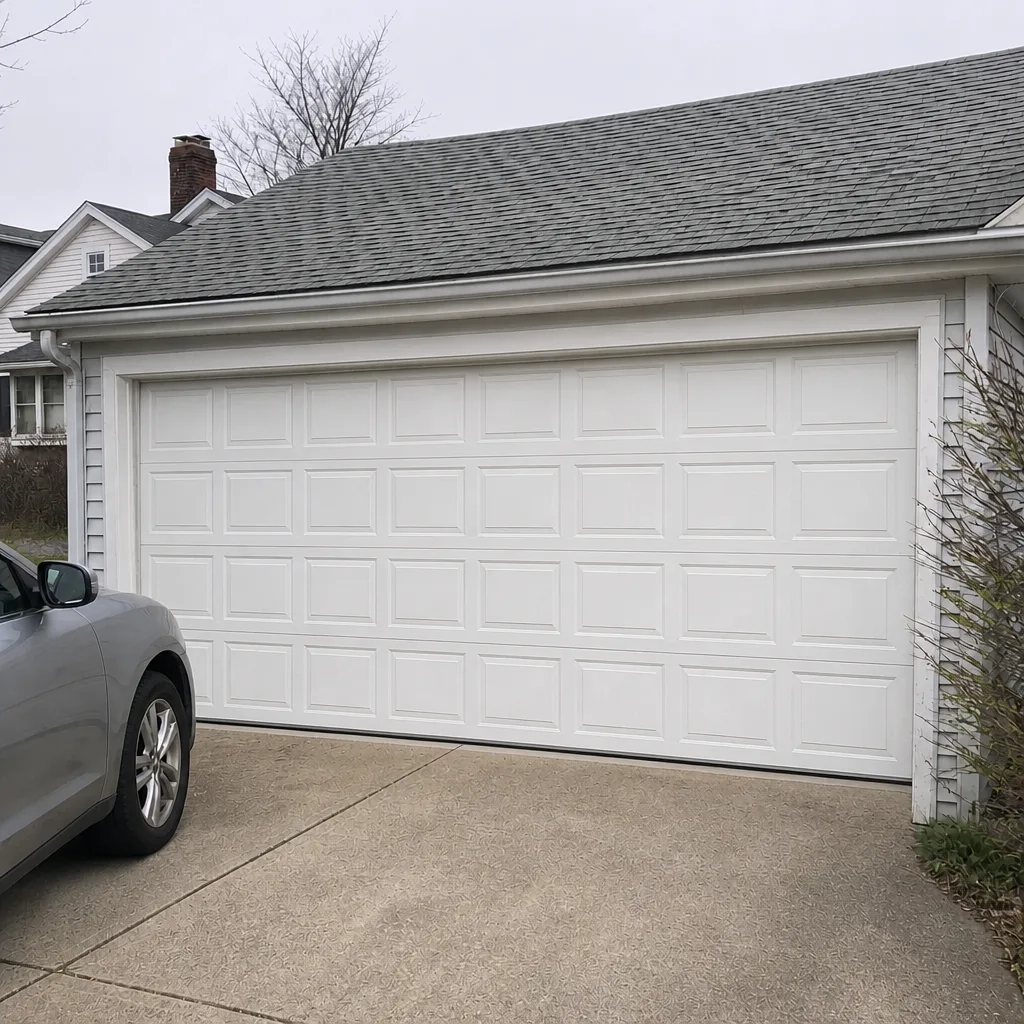 After
When to Call a Professional
Call for any spring or cable failure – those aren’t DIY repairs, and they’re genuinely dangerous. Call if the door won’t close all the way, if it’s heavy to lift by hand, if it comes off the track, if a panel is bent or cracked, if the opener runs but the door doesn’t move, or if you hear a loud snap from the garage and the door won’t open. Call before a storm if a door isn’t sealing well, since water intrusion gets worse quickly. If you’re not sure whether the issue is the spring, the opener, or the tracks, that’s exactly when a diagnostic visit pays for itself. Ridgewood Garage Door Repair offers free estimates in Ridgewood – call (855) 692-0594. We answer 24/7, and we run fast dispatch from 7am to 7pm, Sunday through Friday.
Frequently Asked Questions
Most common repairs in Ridgewood fall between $150 and $700 in 2026. Spring replacement runs $180 to $340 for a single spring, opener replacement runs $150 to $300 for a standard unit, and panel replacement runs $350 to $700. A full door replacement runs $1,300 to $2,800. The written estimate is what sets the final price, and we agree it with you before any work starts. Call (855) 692-0594 for an exact quote – estimates are free.
In many cases, yes. A door that won’t close usually means a broken spring, a failed opener, or a misaligned track, and those are same-day repair calls when the schedule allows. Call (855) 692-0594. We answer 24/7, and we run fast dispatch from 7am to 7pm, Sunday through Friday.
No, not without your approval. We quote and agree the price in writing before any work starts. If we find additional work that’s genuinely needed, we’ll show you what it is and what it costs before touching it. You always approve the final number.
Yes. The local professionals we connect you with are licensed and insured as their state requires. Our technicians have up to 11 years of experience across the eight major brands we service. You can ask to see credentials on-site before any work begins.
Repair is nearly always cheaper in the short term. A single spring replacement or panel repair typically costs a fraction of a full door replacement. Replacement usually wins on long-term value when the door is over 15 years old and multiple components are failing, or when a repair quote is approaching half the cost of a replacement. We lay out the comparison on-site so you can decide.
In most cases, yes. We service LiftMaster, Chamberlain, Genie, Craftsman, Raynor, Clopay, Amarr, and Wayne Dalton – which covers the great majority of doors and openers installed in Ridgewood homes. Call (855) 692-0594 and tell us your brand and model so we can confirm before the visit.
The Bottom Line
Garage door costs in Ridgewood in 2026 run higher than the national average for reasons that are largely visible from your own driveway: narrower access, older housing stock, and heavier logistics. Those are real costs, not markup. Inside that broader context, the line-item ranges hold steady: $180 to $340 for a single spring, $150 to $300 for a standard opener, $350 to $700 for a panel, $1,300 to $2,800 for a full door. The single most important thing you can do as a homeowner is read the written estimate before you sign it – check that parts and labor are itemized, confirm whether a spring quote is one or a pair, and compare repair cost against replacement cost rather than against a national online average. And leave spring and cable work to a trained technician. Call (855) 692-0594 for a free estimate.
Contact
If you’re in Ridgewood and you need a garage door looked at, call (855) 692-0594 for a free estimate. Tell us what’s happening with the door and we’ll book a visit. We answer 24/7. Fast dispatch from 7am to 7pm, Sunday through Friday.
Written by the team at Ridgewood Garage Door Repair.